The ongoing Ebola outbreak in the Democratic Republic of Congo (DRC) has caused significant disruptions along the DRC-Uganda border, with almost 750 suspected cases reported in the region. This resurgence of the deadly viral disease has prompted health authorities on both sides of the border to intensify preventive and control measures to curb its spread.
The Ebola virus, known for its high fatality rate and rapid transmission, has long been a threat in parts of Central and West Africa. The recent spike in cases in the eastern parts of the DRC has raised alarms, especially since the border area is a vital corridor for trade and daily movement between the two countries.
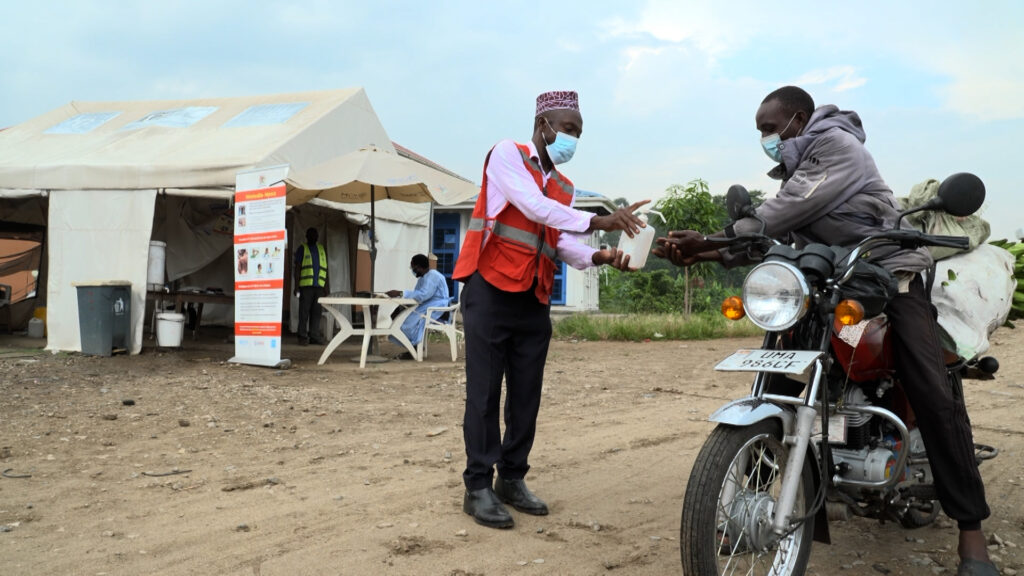
Health officials in the DRC have responded by ramping up surveillance and community engagement initiatives. These efforts include screening at border crossings, raising awareness about the signs and symptoms of Ebola, and promoting hygiene practices to prevent transmission.
Ugandan authorities have also stepped up their preparedness, setting up screening points and quarantine facilities to prevent potential cases from entering the country. They are actively collaborating with their Congolese counterparts and organizations such as the World Health Organization (WHO) to strengthen response mechanisms.
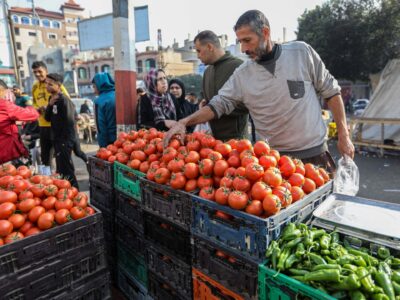
Local communities along the border have faced disruptions in their daily lives due to these heightened measures. Cross-border trade has been particularly affected, with stricter controls on the movement of goods and people slowing down economic activities. Many residents express concern both over the health risks and the economic impact of the outbreak.
Despite these challenges, there is a concerted effort to balance disease containment with the needs of the local population. Humanitarian organizations are providing support, including healthcare services and information campaigns, to help communities cope with the outbreak.
The situation remains fluid, and health experts emphasize the importance of continued vigilance, rapid response to new cases, and community cooperation to prevent the spread of Ebola. Lessons learned from previous outbreaks have informed the current strategies, aiming to reduce fatalities and restore normalcy in this border region.
As international agencies monitor the situation, there is hope that enhanced health interventions and cross-border collaboration will soon bring the outbreak under control, allowing residents to resume their normal lives and economic activities safely.