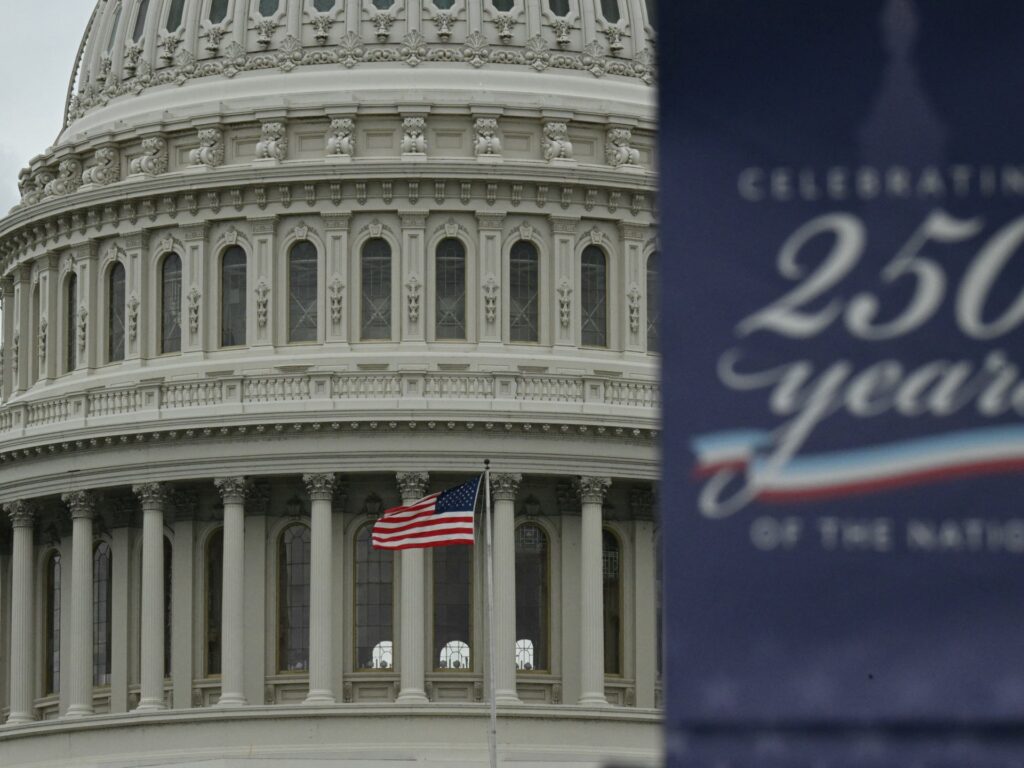
In a notable display of dissent, the US Senate has decided to delay a vote concerning immigration enforcement funds, pushing back against former President Donald Trump’s proposal for a $1.8 billion ‘anti-weaponisation’ fund. This development comes just ahead of the Memorial Day recess, signaling significant resistance within the Senate to the administration’s funding strategies.
The ‘anti-weaponisation’ fund, initially proposed by Trump, was aimed at countering the perceived misuse of federal funding and resources. The allocation of $1.8 billion was intended to address various national security concerns, particularly in relation to immigration enforcement and the potential weaponisation of government funds or equipment.
However, the Senate’s hesitation reflects a broader divergence among lawmakers regarding the prioritization of funds and the approach to immigration policies. Some senators expressed concern that the proposed fund might overreach in its scope or lacked sufficient oversight mechanisms to ensure responsible use of the finances.
The decision to delay the vote is rare, especially so close to the Memorial Day recess, illustrating the depth of disagreement on this issue. Republican and Democratic senators alike have voiced differing opinions about the necessity and implications of the anti-weaponisation fund.
Critics argue that the fund could lead to unnecessary escalations in immigration enforcement tactics and potentially politicize federal spending. Supporters, on the other hand, maintain that the fund is a necessary step to secure border safety and prevent the exploitation of federal resources by hostile entities.
This legislative tension comes amid ongoing national debates on immigration reform and border security, topics that have long divided Congress. The Senate’s pushback against Trump’s fund proposal underscores the complexities faced by lawmakers trying to balance enforcement with humanitarian and legal considerations.
As the Senate prepares for its recess, the ultimate fate of the $1.8 billion fund remains uncertain. Further discussions and negotiations are expected once the Senate reconvenes, with many anticipating that compromises will be necessary to move forward.
This episode highlights the challenges in aligning the executive branch’s priorities with the legislative branch’s oversight responsibilities, particularly in areas as contentious as immigration enforcement and national security funding.
Observers suggest that the outcome of this debate could have far-reaching consequences, potentially influencing future immigration policies and the allocation of federal funds for enforcement purposes.
In summary, the Senate’s pushback against Trump’s anti-weaponisation fund – a significant $1.8 billion proposal – marks a rare and telling moment of legislative dissent, showcasing the ongoing struggle to craft balanced and effective immigration enforcement strategies in the United States.