The United States has imposed sanctions on several elected members of Hezbollah as well as Lebanese security officials, escalating tensions in the region amid ongoing Israeli attacks on Lebanon. The sanctioned individuals are reportedly linked to Hezbollah, the Lebanese Shiite militant group and political party designated as a terrorist organization by the US and other countries.
The sanctions target key figures within Hezbollah who hold elected positions, as well as members of Lebanese security agencies believed to be working in concert with the group. The measures include asset freezes and travel bans, aiming to curtail their international activities and financial operations.
Hezbollah, however, dismissed the US actions, stating that the sanctions will have “absolutely no effect” on its strategic plans. The group reaffirmed its commitment to its military and political objectives despite the heightened pressure.
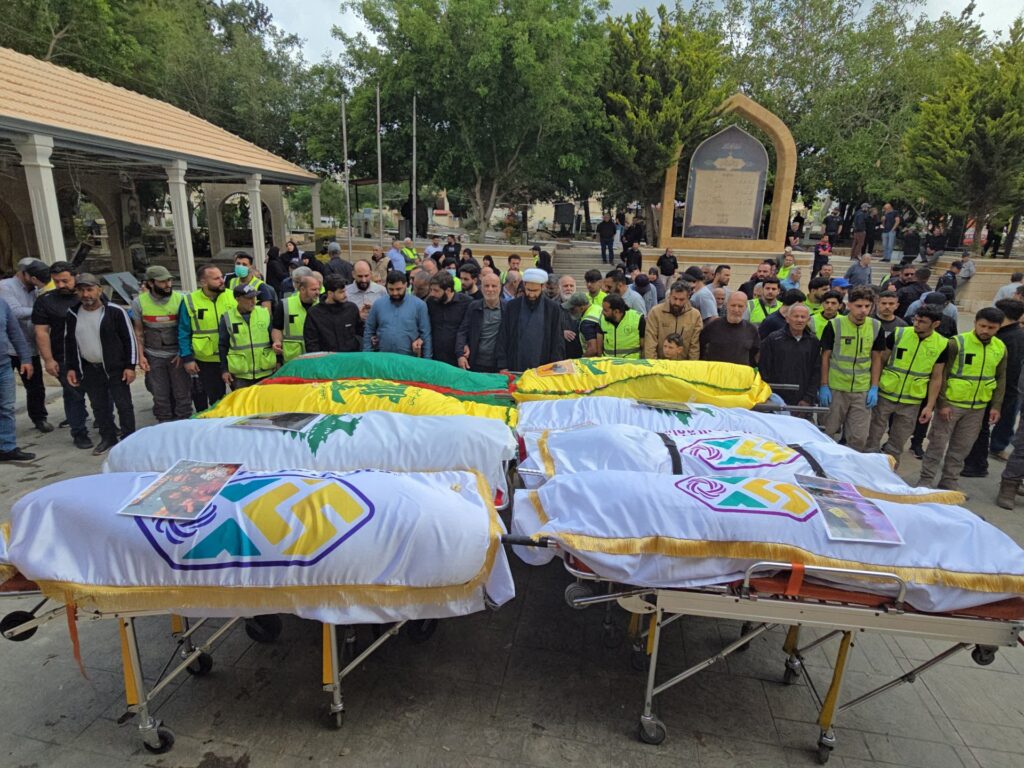
This latest move by the US comes amid ongoing Israeli military operations in Lebanon, which have escalated in recent weeks due to clashes with Hezbollah forces. The sanctioning of elected officials marks a significant step, highlighting the international community’s scrutiny of the group’s influence within Lebanon’s political and security structures.
Lebanon’s political landscape is deeply intertwined with Hezbollah, which maintains considerable sway both militarily and within the government. The US sanctions aim to isolate Hezbollah further and reduce its ability to function autonomously within Lebanon.
Critics of the sanctions argue that targeting elected officials could undermine Lebanon’s political stability and complicate diplomatic efforts to reduce regional tensions. Supporters contend it is a necessary move to hold Hezbollah accountable for its actions and curtail its operational capacity.
Lebanese officials have yet to respond officially to the US sanctions, but the Lebanese government is facing increasing pressure from all sides as the conflict with Israel intensifies.
The US has emphasized its commitment to Lebanon’s sovereignty but underscores that it will act against any group threatening regional peace and security. The sanctions reflect a broader strategy to apply financial and diplomatic pressure on Hezbollah and its affiliates.
As the situation in Lebanon evolves, the international community watches closely, concerned about the potential for escalation and the humanitarian impact of the ongoing conflict. The US sanctions add a complex layer to an already volatile situation, signaling stronger resolve against Hezbollah’s militarized presence in Lebanon.
The moment marks a pivotal point in US-Lebanon relations and may influence future negotiations and power dynamics in the region. How Lebanon’s government and Hezbollah itself respond to this pressure will significantly shape the country’s immediate future amid the protracted Israeli-Lebanese conflict.
In conclusion, the US sanctions on elected Hezbollah MPs and Lebanese security officials represent a significant escalation in international efforts to address instability in Lebanon and the broader Middle East. Despite Hezbollah’s defiant stance, the sanctions aim to limit the group’s influence and capacity to operate within Lebanon’s political and security spheres. The ongoing conflict with Israel underscores the fragile nature of peace and stability in the region, with global implications for diplomacy and security.