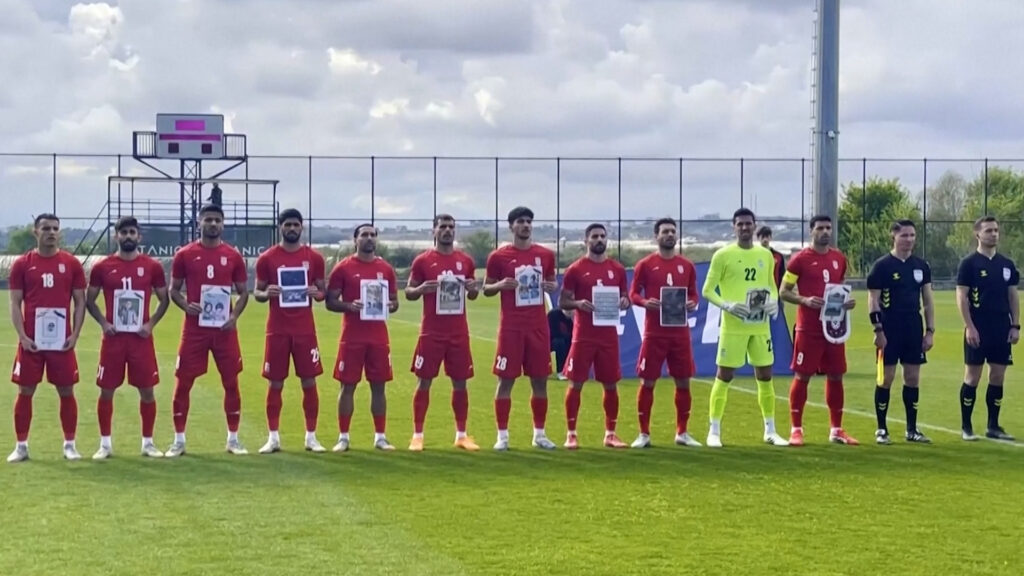
Iran’s journey to the 2026 FIFA World Cup is encountering unexpected challenges as the nation’s national football team members currently find themselves navigating visa application processes in Turkey for travel to the United States. The team, aiming to compete on the global stage in the upcoming 2026 World Cup, faces difficulties due to US visa issues, potentially impacting their preparation and participation.
The Iranian national football squad, known for its passionate play and strong performance in Asian competitions, is currently stationed in Turkey. This strategic location is being used for processing U.S. visa applications necessary for entry into North America, where the 2026 World Cup will be hosted by the USA, Canada, and Mexico. However, the visa procurement process has introduced uncertainty and logistical hurdles.
The importance of timely visa issuance cannot be overstated, as any delay could hinder the team’s arrival, affecting crucial pre-tournament training and acclimatization. The team’s management and Iranian sports officials have expressed concerns about the visa procedures possibly straining the players’ focus and morale.
Political tensions between Iran and the United States have historically complicated diplomatic processes, including visa approvals, adding layers of complexity to the current situation. While the World Cup traditionally serves as a unifying event transcending political divides, this episode highlights the challenges athletes can face when international relations influence sports.
Visa application processes typically involve security checks and interviews, but in this instance, the additional scrutiny has been reportedly rigorous, causing delays. This situation has sparked discussions within international sports communities about the need for smoother visa processes to ensure all qualified teams can compete without bureaucratic impediments.
Despite these challenges, the Iranian team remains focused on qualification matches and preparations, aiming to showcase their skills on the world’s biggest football platform. Supporters within Iran and the broader football family hope for a swift resolution to avoid any disruption to the team’s World Cup aspirations.
The incident underscores the broader implications of global politics intersecting with sports diplomacy and the critical importance of administrative efficiency in international sporting events. Going forward, it acts as a reminder to organizing bodies and host nations about the necessity to facilitate the participation of all qualified athletes and teams, ensuring that the spirit of competition remains undisturbed by geopolitical issues.
As the world watches, the Iranian national team’s ability to overcome these visa hurdles will be closely followed, with many rooting for their seamless participation in the 2026 FIFA World Cup. The hope is that sportsmanship and the universal love for football will prevail, allowing all teams, including Iran’s, to compete on an equal footing on the grandest stage.
In summary, Iran’s World Cup hopes are currently tested by US visa challenges faced by their players in Turkey. This situation not only affects the team’s logistics but also highlights the intersection of sports and international politics. The global football community eagerly awaits a resolution that will allow Iran to participate fully and fairly in the 2026 World Cup, embodying the unifying power of sport.