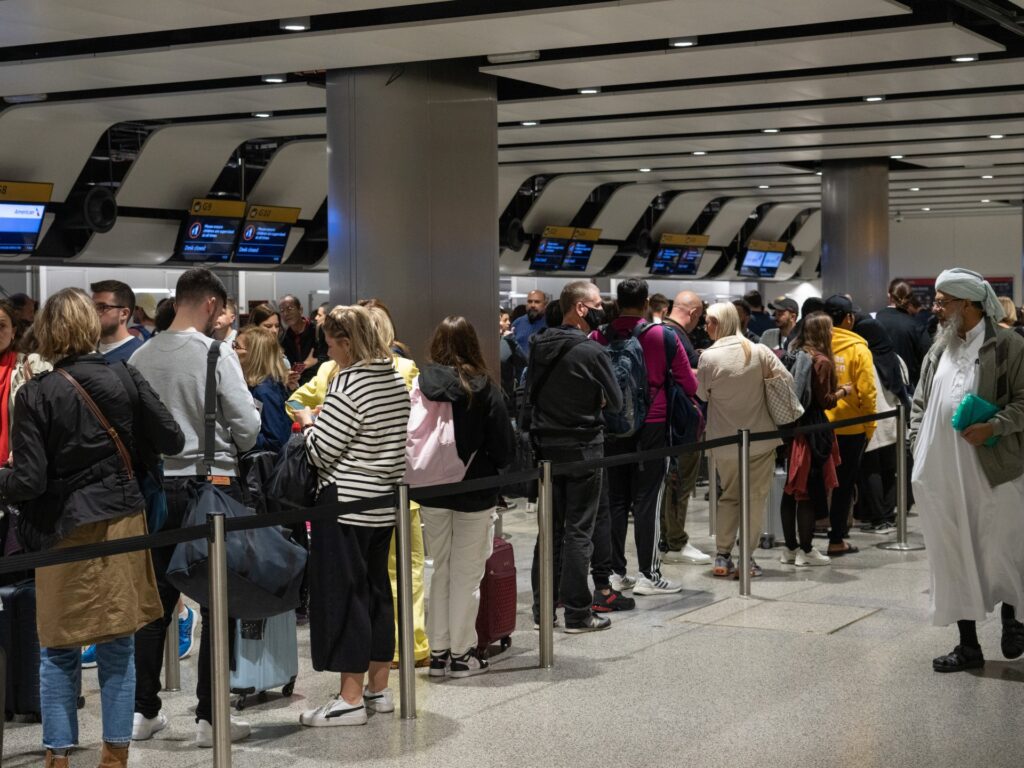
In the 12 months leading up to December 2023, net migration to the UK experienced a significant decline of nearly 50%, plummeting from 331,000 to 171,000, according to the latest data released by the Office for National Statistics (ONS). This drastic reduction highlights the impact of the UK government’s tightened immigration policies implemented over the past year.
The UK’s immigration approach has undergone substantial changes aimed at reducing the number of migrants entering the country. These policy shifts include stricter visa requirements, enhanced border controls, and more rigorous enforcement mechanisms. The significant fall in net migration numbers aligns with the government’s objective to control population growth and manage public services more effectively.
Net migration, the difference between the number of people entering and leaving the country, serves as a critical indicator of demographic and economic trends. The sharp decline noted by the ONS suggests that fewer people are moving to the UK for work, study, or other reasons.
One driving factor behind the drop is the revised visa system, which has become more stringent, particularly impacting skilled workers and students. The new points-based immigration system places greater emphasis on job offers and salary thresholds, leading to fewer approvals and consequently, fewer new migrants.
Additionally, increased operational costs and regulatory burdens have deterred potential migrants, especially in sectors that traditionally rely on international workers such as healthcare, education, and hospitality. Universities have reported a drop in international student enrollments, which correlates with these tougher requirements.
The tighter policies also aim to address public concerns about pressures on infrastructure, housing, and social services. While these objectives are central to the government’s stance, questions remain about the long-term economic implications of reduced migration.
Labour market analysts warn that the sharp decline in new migrants could exacerbate skills shortages in key industries and slow economic growth. Migrants have historically contributed significantly to the economy, filling roles that are difficult to staff locally and bringing diverse talents that fuel innovation.
The ONS data also shows a region-specific impact, with areas traditionally reliant on immigrants facing more acute workforce shortages. These developments could influence future government policy adjustments to balance immigration control with economic needs.
Public opinion remains divided, with some welcoming the reduced influx as a means to preserve resources and cultural identity, while others advocate for a more open and balanced approach recognizing migrants’ contributions.
The migration landscape in the UK continues to evolve, shaped by economic conditions, political decisions, and global events. The nearly 50% drop in net migration serves as a clear indicator of the powerful effects that policy changes can wield over demographic patterns.
Looking ahead, the UK government faces the challenge of calibrating its immigration policies to manage both societal expectations and economic demands effectively. The balance between controlling migration and sustaining growth will be crucial in shaping the country’s future demographic and economic profile.