Day 83 of the ongoing conflict involving Iran has seen Tehran signaling a cautious yet open stance towards diplomatic communications with the United States. Despite the prolonged hostilities, Iran’s officials have indicated that dialogue channels remain operational as they review the latest response from Washington aimed at ending the conflict. This development comes as tensions in the strategically critical Strait of Hormuz intensify, further complicating the regional security landscape.
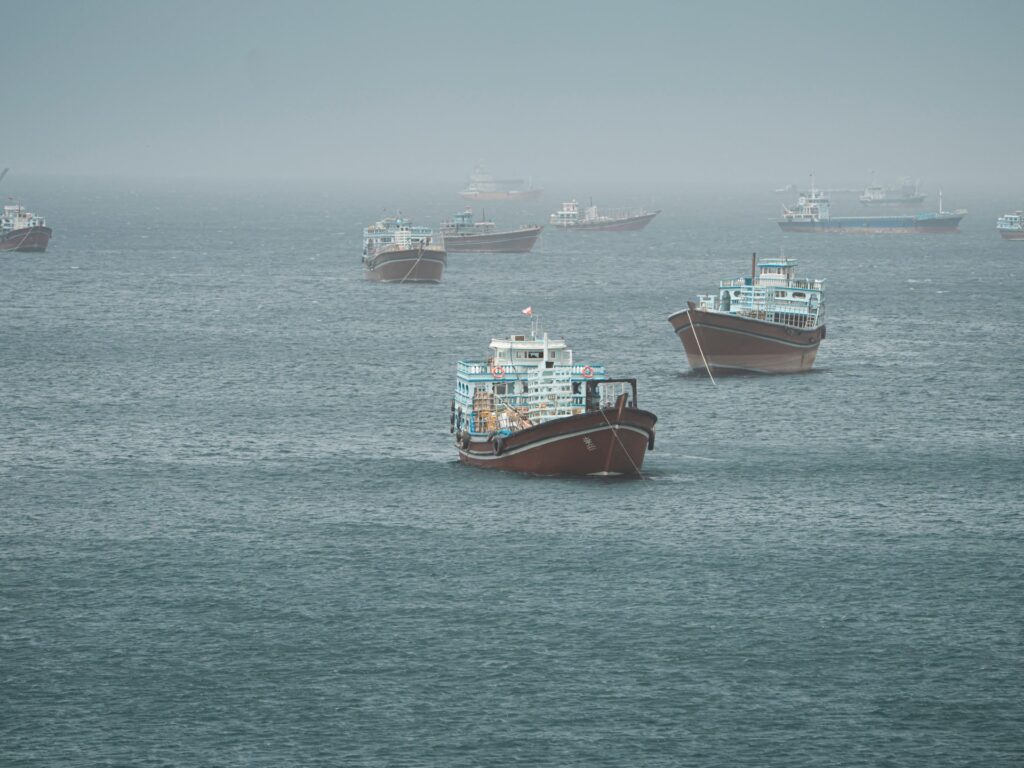
The Strait of Hormuz, a vital conduit for global oil shipments, has witnessed escalating confrontations, raising international concerns about the stability of energy supplies worldwide. Iran’s military maneuvers and strategic posturing in the area are viewed by many as attempts to assert influence and respond to perceived threats from foreign navies.
Simultaneously, outrage is mounting over arrests linked to an Israeli flotilla, which has sparked widespread criticism and calls for accountability. The incidents involving the Israeli vessels have added another layer of complexity to the already volatile geopolitical situation, fueling sentiments of unrest among different factions.
Tehran’s readiness to ‘review’ the latest U.S. diplomatic overtures suggests a potential opening for conflict resolution, although skepticism remains about the feasibility of a swift end to the hostilities. Observers note that while diplomacy remains on the table, tangible progress requires mutual concessions and assurances to rebuild trust.
International stakeholders continue to monitor the situation closely, given the broader implications for Middle Eastern stability and global economic repercussions stemming from disruptions in oil transportation routes. The unfolding dynamics underscore the fragile balance between military assertiveness and diplomatic engagement in efforts to de-escalate the conflict.
In summary, as the Iran war enters its 83rd day, the combination of strategic military tension in the Strait of Hormuz, the diplomatic back-and-forth with the U.S., and the fallout from the Israeli flotilla arrests presents a complex scenario. The world watches closely, hopeful that ongoing diplomacy can pave the way for peace and stability in a region long plagued by conflict and uncertainty.