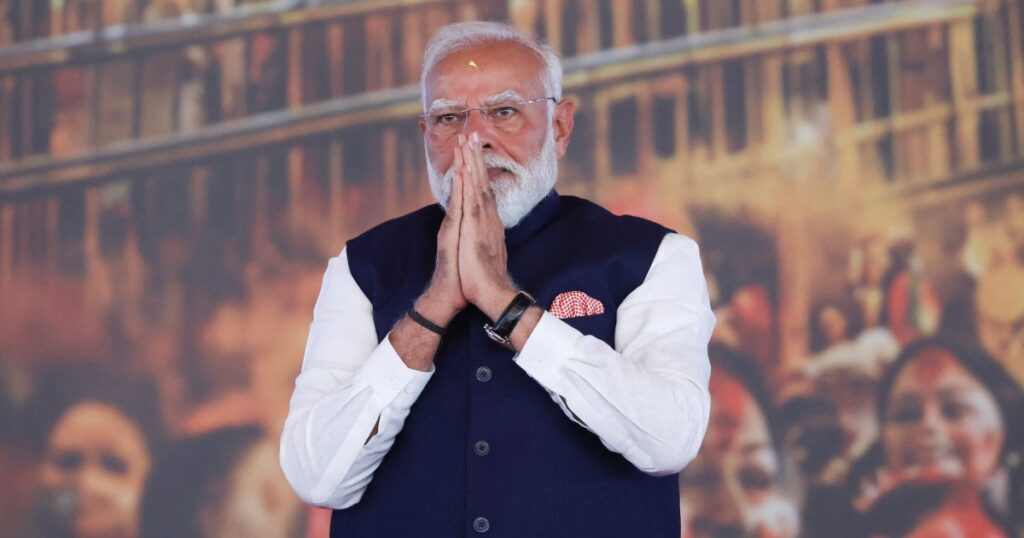
In recent developments, India’s Prime Minister Narendra Modi’s decision to avoid Norwegian media has ignited a significant debate regarding press freedom within the country. This incident has drawn attention not only to India’s media relations during international visits but also to the broader context of press liberty in the nation.
India currently holds a troubling position in the global landscape, ranked 157th out of 180 countries in the 2026 World Press Freedom Index. This ranking highlights ongoing challenges faced by journalists and media houses, including censorship, government pressure, and threats to independent reporting.
The controversy began when PM Modi chose not to engage with media representatives from Norway during his official visit. Such a move is seen by critics as indicative of a larger trend where selective interaction with the press undermines media independence and transparency.
Experts argue that avoiding certain media outlets can send a negative signal about a government’s commitment to democratic values, where a free press is essential for accountability and informed citizenship. This concern is amplified in a country as populous and diverse as India, where media plays a critical role in shaping public opinion and discourse.
The international community has also taken note of India’s press freedom issues, with various watchdog organizations calling for reforms and greater protection for journalists. The Norwegian media incident has thus become a focal point to discuss the state of media freedom in India, drawing attention from both domestic and global observers.
India’s government, on the other hand, often cites the need for national security and combating misinformation as reasons for restrictions or cautious engagement with certain media channels. Nonetheless, critics emphasize that press freedom should not be compromised under these pretexts.
This episode underscores the delicate balance between government interests and press independence. It brings to light the urgent need for transparent policies that protect journalists and ensure that the media can operate without undue interference.
The Modi administration’s approach during international engagements and within India continues to be scrutinized closely against the backdrop of these press freedom concerns. As the debate unfolds, it serves as a reminder of the foundational role a free and vibrant press plays in a functioning democracy.
The storm over India’s press freedom, fueled by the media avoidance incident in Norway, is likely to intensify calls for reforms, greater media protection, and renewed commitment to democratic principles in the country. Stakeholders, including journalists, civil society, and policymakers, are increasingly advocating for a media environment where freedom of expression and transparency are paramount.