The ongoing conflict between Russia and Ukraine has witnessed a complex interplay of military engagements and diplomatic maneuvers. Recently, Russian President Vladimir Putin has spoken about the possibility of a truce, sparking discussions among analysts about the true intentions behind these overtures.
Observers suggest that Russia’s talk of diplomacy might not be genuine but rather a strategic ploy designed to buy time. As Moscow’s military forces face setbacks and are reportedly on the defensive in the Ukrainian theater, this diplomacy simulation could be a tactic to regroup and reposition.
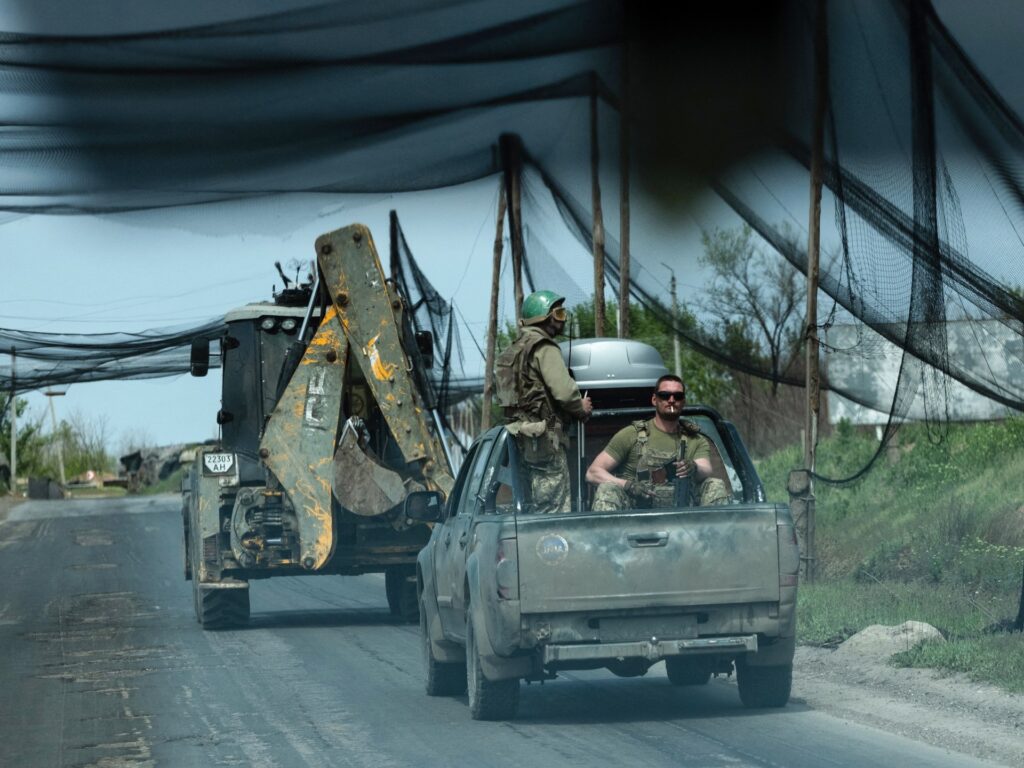
Since the onset of the war, Russia has encountered significant resistance and losses, which have strained its military capabilities. The Ukrainian forces, bolstered by international support and strong local morale, have managed to reclaim territory and challenge Russian advances effectively.
Against this backdrop, Putin’s mentions of a truce could be interpreted as an attempt to soften international pressure and manage public perception, both domestically and abroad. By suggesting a readiness for negotiations, Russia might seek to portray itself as a reasonable actor on the global stage, even as conflict continues on the ground.
Additionally, this diplomatic stance could serve to disrupt Ukrainian and allied planning. If Kyiv and its supporters believe negotiations are underway or imminent, there might be hesitations to escalate military operations, granting Russian forces precious time to strengthen defenses or redeploy troops.
Critics argue that such simulated diplomacy undermines genuine peace efforts and prolongs the suffering caused by the war. For Ukraine, this means continuing to prepare for the possibility that diplomatic talks may not lead to a substantive cessation of hostilities.
The situation on the ground remains fluid, with intense battles reported across multiple fronts. The international community watches closely, balancing calls for dialogue with support for Ukraine’s sovereignty and territorial integrity.
In summary, while Putin’s calls for a truce open a door for potential diplomatic solutions, many analysts remain skeptical. They view these gestures as strategic tools employed by Russia to offset battlefield difficulties, buying time in a conflict that continues to reshape the geopolitical landscape of Eastern Europe.