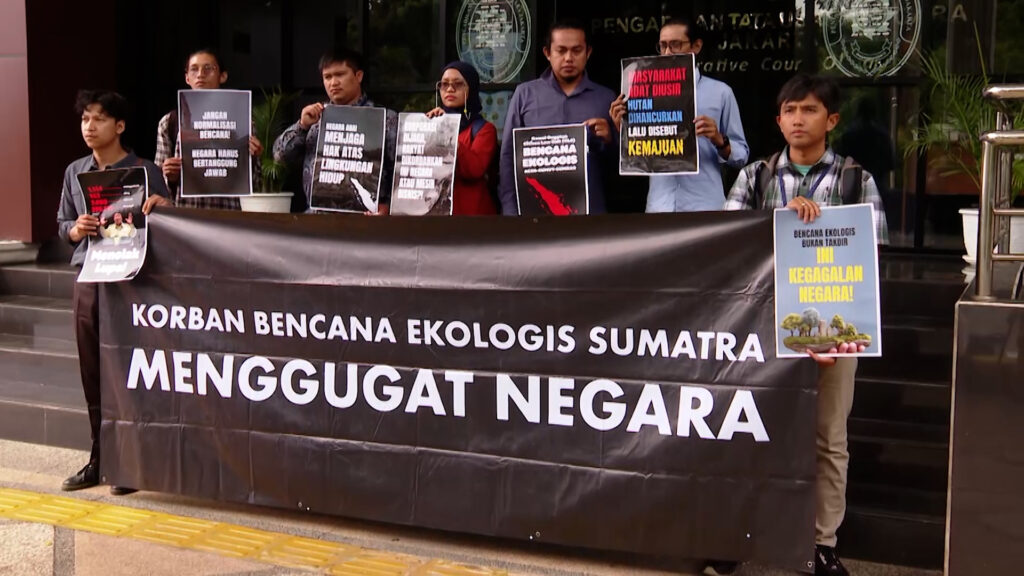
In the wake of the devastating floods in Sumatra, Indonesia, survivors are taking legal action against the government, protesting what they describe as inadequate disaster recovery efforts. The recent floods, which have caused significant loss of life and widespread damage, exposed critical gaps in the government’s preparedness and response strategies for natural disasters.
The plaintiffs, comprised of flood survivors and families of the victims, argue that the government failed to provide timely and effective aid during and after the catastrophic event. They claim that insufficient evacuation procedures, delays in emergency services, and inadequate relief distribution exacerbated the tragedy.
Indonesia, an archipelago prone to natural disasters such as floods, earthquakes, and volcanic eruptions, has frequently faced challenges in managing disaster response. Despite this, the scale and severity of the Sumatra floods caught many by surprise, raising questions about the effectiveness of the government’s disaster risk management policies.
Legal experts note that the lawsuit sets a precedent as it holds the government accountable for negligence in protecting its citizens during natural disasters. The case emphasizes the need for policy reforms and more robust disaster management frameworks to prevent similar instances in the future.
Victims and their advocates demand increased transparency in government actions, better infrastructure to mitigate flood risks, and comprehensive support for displaced communities. They also urge for improvements in early warning systems and emergency preparedness training.
Government officials have responded by acknowledging the challenges faced during the flood response but emphasize the complexity of managing emergencies in disaster-prone regions. They have pledged to review current protocols and enhance coordination among various agencies responsible for disaster management.
The lawsuit has garnered significant public attention, bringing the issues of disaster accountability and climate vulnerability to the forefront of national discourse. Civil society organizations have voiced support for the survivors, highlighting the importance of justice and reforms to safeguard communities against the increasing threats of climate-induced disasters.
Indonesia’s experience underscores the critical necessity of effective disaster response mechanisms in countries facing similar environmental risks. As climate change intensifies, the need for resilient infrastructure, prompt government action, and community preparedness becomes ever more crucial.
The ongoing legal battle serves as a reminder that governmental responsibility does not end at disaster occurrence but continues through the recovery and support of affected populations. Advocates hope that this case will lead to systemic changes, ensuring better protection and reduced suffering for future generations in Sumatra and across Indonesia.