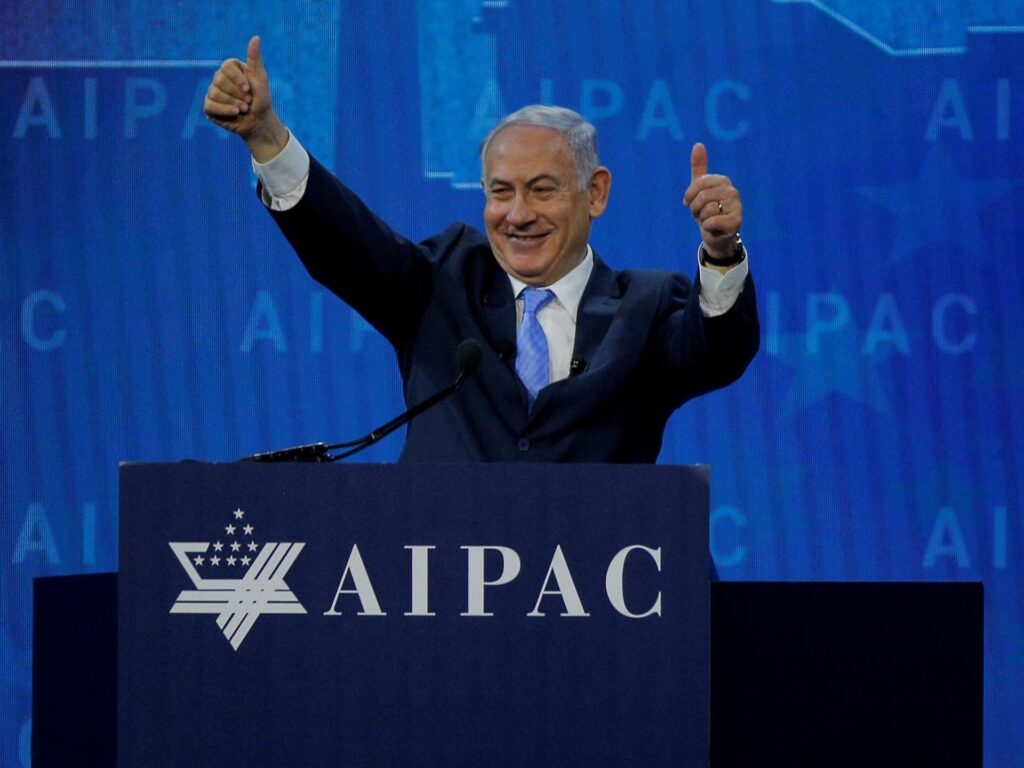
In the run-up to the US midterm elections, Al Jazeera has unveiled a comprehensive analysis exposing how the American Israel Public Affairs Committee (AIPAC), a powerful pro-Israel lobby group, channels millions of dollars through shell Political Action Committees (PACs) with deceptive names. This strategy aims to influence election outcomes by defeating candidates who criticize Israel.
AIPAC, long recognized for its significant sway in American politics, has been intensifying its efforts ahead of the midterms by utilizing a network of PACs that ostensibly operate independently but are effectively controlled by the lobby group. These PACs often bear names that mislead donors and voters about their true purpose, masking their pro-Israel agenda.
The tactic involves creating multiple shell PACs, which serve as financial conduits for funneling large sums of money into targeted campaigns. By dispersing funds through these entities, AIPAC can amplify its political influence while evading transparency and scrutiny.
Critics argue that this approach undermines democratic processes by obscuring the origins of campaign financing, thereby preventing voters from fully understanding the motivations behind particular political advertisements or endorsements. The use of deceptive PAC names further complicates accountability, as it conceals the connections between funded campaigns and AIPAC’s lobbying objectives.
Reports indicate that millions of dollars have been funneled into these shell PACs, which aggressively support pro-Israel candidates and work to unseat those who advocate for Palestinian rights or criticize Israeli policies. This financial muscle is especially potent in swing states and districts where the margin of victory can be slim.
The strategic use of these PACs aligns with AIPAC’s broader mission to maintain and expand US political support for Israel. By influencing election outcomes, the group ensures the continuation of favorable US policies towards Israel, including military aid and diplomatic backing.
Political analysts warn that such practices challenge the integrity of the American electoral system by masking the true sources of campaign financing. They call for stricter regulations and enhanced transparency to expose the flow of money and protect the electoral process from undue influence.
The revelations by Al Jazeera shed light on the complex intersection of foreign policy lobbying and domestic political financing. The findings emphasize the need for voters, policymakers, and watchdog organizations to scrutinize the role of shell PACs and demand accountability in campaign spending.
As the US midterms approach, the influence of AIPAC and similar organizations through these covert financial channels is poised to play a significant role in shaping the political landscape, raising questions about the fairness and openness of the electoral process. This analysis underlines the importance of greater oversight and reform in political campaign financing to safeguard democratic values.