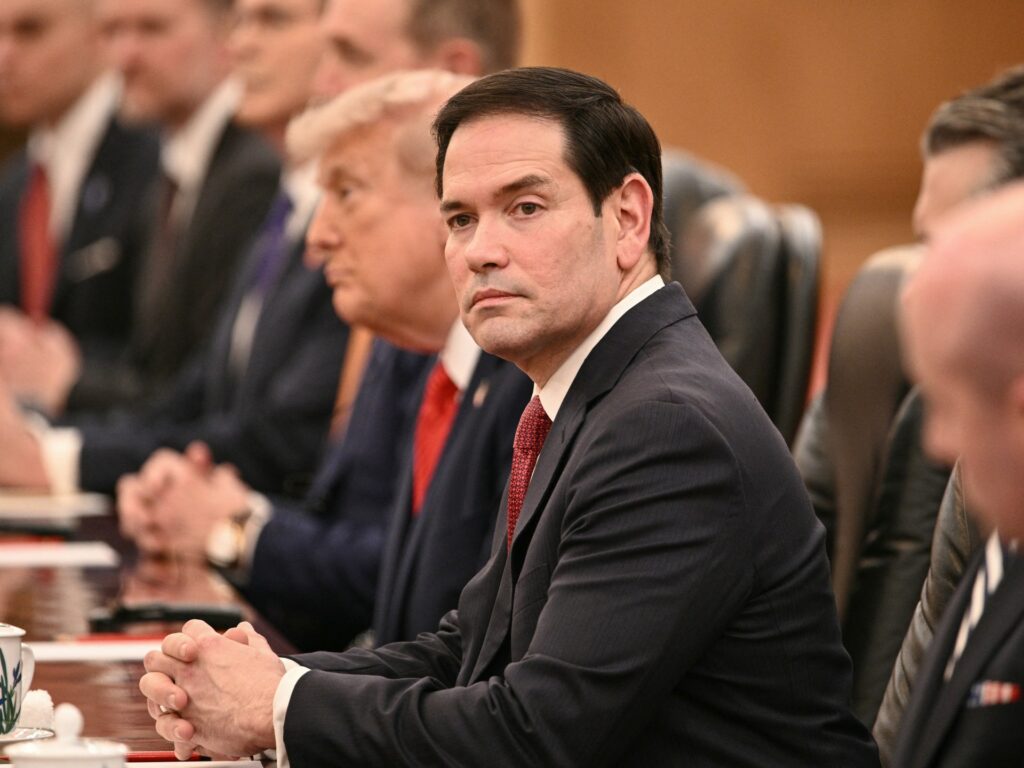
In an unexpected diplomatic maneuver, China allowed Senator Marco Rubio, who is under Chinese sanctions, to attend a Trump summit in Beijing by changing his official name to ‘Marco Lu’. This unusual step highlights the complexities of international relations and the lengths countries might go to facilitate diplomatic engagements, even amidst existing sanctions.
Marco Rubio, the influential U.S. Senator known for his hardline stance on China, has been subject to Chinese sanctions for his critical comments and legislative actions concerning Chinese policies. These sanctions typically restrict travel and economic interactions, significantly complicating any official visits to China.
However, during a significant state visit to Beijing to participate in a summit hosted by then-President Donald Trump, Chinese authorities reportedly altered Rubio’s name on official documents to ‘Marco Lu’. This small but symbolically significant change enabled him to bypass the sanctions-related restrictions and join the summit without directly violating the imposed sanctions.
The decision to allow Rubio’s participation under a modified name demonstrates China’s pragmatic approach in managing diplomatic relations. By facilitating his attendance, China ensured that critical dialogues and interactions could proceed, which might have been hindered by the sanctions.
This incident underscores the strategic importance both countries place on maintaining open channels of communication, despite underlying tensions and punitive measures. It also reveals the nuanced tactics employed in international diplomacy where legal and procedural adjustments are made to accommodate political realities.
The move was met with surprise and scrutiny by observers and political analysts. Some view it as a potential opening for easing tensions, while others see it as a mere procedural workaround without substantial change in the fundamentally strained U.S.-China relationship.
Historically, sanctions have been tools to exert pressure and signal disapproval in international affairs. Yet, this episode illustrates that sanctions might not always present an insurmountable barrier to dialogue. Instead, countries might find creative solutions to navigate around restrictions when their mutual interests necessitate face-to-face engagements.
Rubio’s attendance at the Trump summit, under the name ‘Marco Lu’, was symbolically important as it maintained his presence in a critical forum discussing U.S.-China relations at a high level. It also highlighted the balancing act China performs between adhering to its sanctions policy and fostering diplomacy.
In summary, the adaptation of Rubio’s name symbolizes how diplomatic protocols can be flexibly interpreted to accommodate significant political events. This approach by China reflects an acknowledgment of the importance of dialogue over confrontation and a nuanced understanding of how sanctions and diplomacy coexist in fragile international relations.
As U.S.-China relations continue to evolve amid competing interests and geopolitical maneuvers, incidents like these illuminate the complexities and innovative solutions that shape diplomatic interactions in the modern era.