The United Kingdom’s Prime Minister Keir Starmer is currently navigating a turbulent political landscape as calls for his resignation grow louder, overshadowing his recent address during the King’s Speech. Despite the traditional pomp and stability usually associated with this event, the atmosphere around Starmer’s leadership has been anything but stable.
In recent weeks, several ministerial resignations have rocked the government, sparking questions about Starmer’s hold on power. These high-profile departures have not only weakened his administration but have also amplified public and political pressure on him to step down.
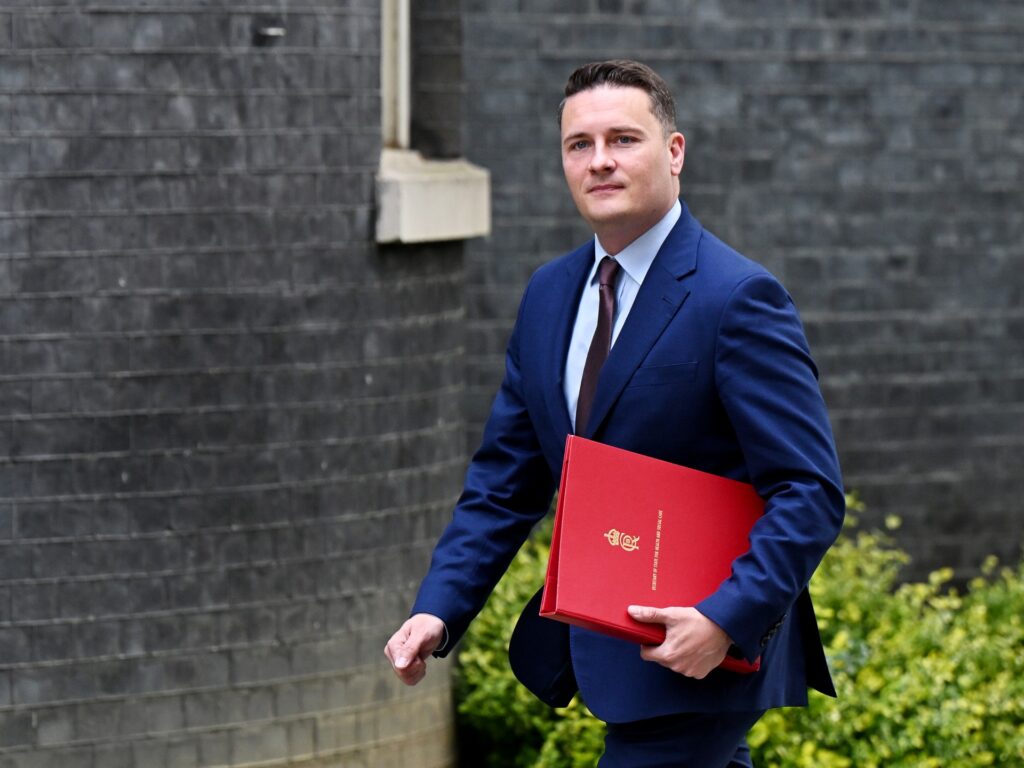
The challenges come at a crucial time, with the UK government needing strong and decisive leadership to address ongoing national issues, including healthcare, economic recovery, and international relations. Starmer’s attempts to stabilize the situation included a series of intense discussions and meetings with key cabinet members, including his Health Secretary, aiming to realign governmental priorities and shore up support within the party.
The King’s Speech, a key moment in the UK’s constitutional calendar that outlines the government’s agenda for the coming year, was expected to reinforce the administration’s plans and provide a renewed sense of purpose. However, the focus shifted away from the policies outlined and toward the internal conflicts and the prime minister’s precarious position.
Political analysts suggest that Starmer’s ability to manage these resignations and manage party dissent will be critical for his survival as prime minister. Continued defections could lead to a vote of no confidence or force an early general election, both of which would throw the UK’s political landscape into further uncertainty.
Public opinion is also divided. Some citizens express frustration over the government’s instability and perceive the leadership struggles as detrimental to addressing pressing societal issues. Others believe that Starmer deserves a chance to heal the party and steer the country through this period of upheaval.
Inside the government, discussions have hinted at possible cabinet reshuffles to bring in fresh faces and restore confidence. Yet, the timing and scale of such changes remain unclear, adding another layer of speculation and uncertainty.
This crisis highlights the delicate balance between leadership accountability and political survival in contemporary British politics. As Prime Minister Starmer grapples with these challenges, all eyes remain on Westminster to see how the government will navigate through this storm and what it will mean for the future governance of the United Kingdom.