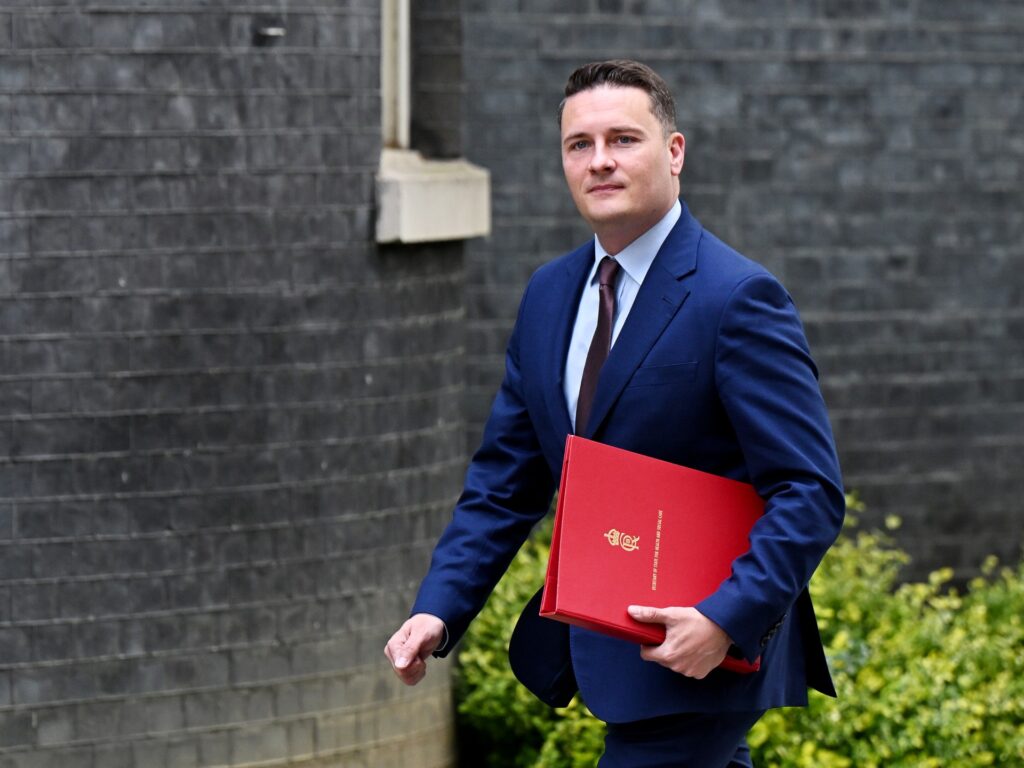
In a critical development in UK politics, Prime Minister Keir Starmer is set to meet with his political rival, Wes Streeting, amid an ongoing crisis marked by the resignations of several ministers. This meeting underscores the PM’s commitment to maintaining his leadership and continuing to govern through a period of significant instability.
The UK government has recently been rocked by a series of resignations from key ministers, creating an atmosphere of uncertainty and raising questions about the stability of Starmer’s administration. Despite these challenges, Starmer has pledged to carry on governing and confront the issues facing his party and the country.
Keir Starmer, who has been under pressure both from within his party and opposition forces, appears to be seeking dialogue with Wes Streeting as part of his efforts to consolidate support and possibly forge a united front. Streeting, a prominent figure within the same political landscape, represents a potential challenger to Starmer’s leadership.
The impending talks are seen by many political analysts as a crucial step in addressing the factional tensions that have surfaced. The discussions could pave the way for a more cohesive strategy within the party, enabling it to navigate the current political turbulence more effectively.
Resignations within the government have signaled a degree of dissatisfaction with the current direction of Starmer’s leadership. Some ministers have cited concerns that range from policy disagreements to strategic approaches in handling both domestic and international issues.
Despite the resignations, Starmer’s decision to meet with Streeting reflects his determination to seek dialogue and demonstrate leadership during a challenging period. It is a move aimed at stabilizing his position and reassuring both party members and the public of his capacity to lead.
The political landscape in the UK remains fluid, with many watching closely to see if this engagement between Starmer and Streeting will lead to meaningful reform or a reaffirmation of the status quo. The outcome of their talks could significantly influence the future direction of the party and the government.
This meeting highlights the complexities faced by leaders in high office, especially when confronted with internal dissent and public scrutiny. How Starmer manages this situation could impact not only his political career but also the governance of the UK in the months ahead.
In summary, while the UK government deals with internal shakeups and leadership challenges, Prime Minister Keir Starmer’s upcoming meeting with rival Wes Streeting signals a potential attempt to unify his party and reinforce his resolve to govern effectively despite the ongoing political storms.