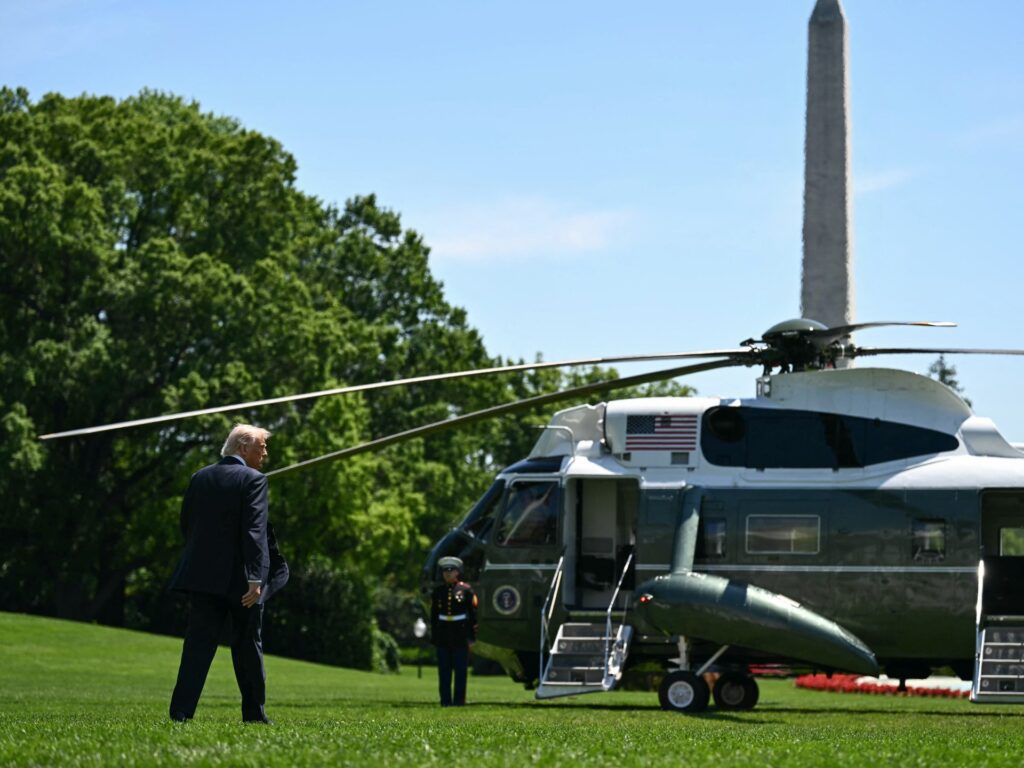
As former President Donald Trump prepares for his upcoming visit to China, he has made conflicting statements regarding the significance of the Iran war in his discussions with Chinese President Xi Jinping. Trump asserted that he does not require Xi’s assistance on the Iran conflict, signaling a stance of independence and strength in U.S. foreign policy. However, he has also acknowledged the potential role China could play, creating a mixed message about the importance of the issue in the broader context of U.S.-China relations.
This diplomatic visit comes at a critical time when tensions around Iran’s nuclear ambitions and regional influence remain a focal point for international security. Trump’s comments suggest a complex balancing act where he aims to engage with China on a range of issues, while downplaying the country’s influence over Iran-related matters.
Analysts note that the dual messaging might be a strategic move to maintain leverage in talks with Beijing, ensuring the U.S. does not appear to be seeking China’s backing too openly. On the other hand, it reflects the unpredictability and multifaceted nature of global diplomacy where different messages are conveyed to various audiences.
In recent years, China has played a nuanced role in Middle Eastern geopolitics, maintaining economic ties with Iran while attempting to manage its relations with the West. Trump’s remarks underscore the U.S. intention to address the Iran challenge through direct policy measures rather than relying heavily on intermediaries.
The upcoming meeting between Trump and Xi is expected to cover a broad spectrum of issues, including trade, security, and regional conflicts. Despite the ambiguity surrounding the Iran war’s prominence in talks, the visit marks a significant moment for U.S.-China diplomatic engagement amid ongoing global uncertainties.
Observers will be watching closely to gauge whether Trump’s approach signals a new direction in handling Iran-related tensions and how it influences the broader U.S.-China relationship. The outcomes may have far-reaching implications for international alliances, nuclear non-proliferation efforts, and regional stability in the Middle East.
In sum, Trump’s contradictory statements about the role of China’s help in the Iran war highlight the delicate and strategic nature of diplomacy as he heads to Beijing. His approach appears to be one of asserting autonomy while remaining open to dialogue with one of the world’s most powerful leaders.
This visit underscores the complex interplay between global powers in tackling pressing security challenges and maintaining geopolitical balance. As the world watches the talks unfold, the exact impact on the Iran conflict and broader international relations remains to be seen.