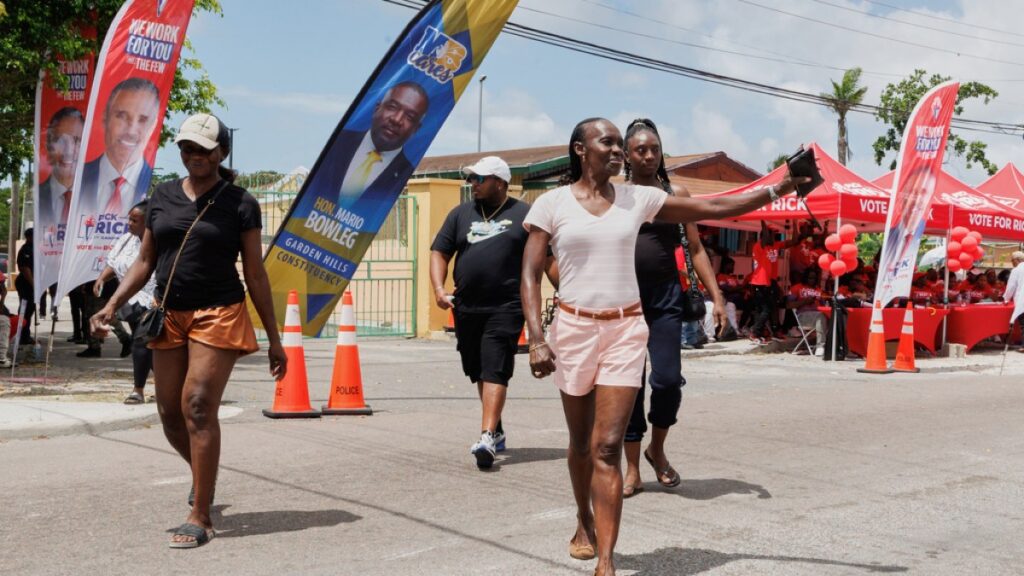
In a historic political event, Philip Davis and the Progressive Liberal Party (PLP) have won the general election in the Bahamas, marking a significant milestone in the nation’s political landscape. This victory is particularly noteworthy as it represents the first time in three decades that a Bahamian political party has secured back-to-back election wins.
The recent election saw the Progressive Liberal Party, led by Philip Davis, reaffirm its position as a dominant force in Bahamian politics. The electorate’s response highlights a continued trust in the party’s policies and leadership, which have evidently resonated with the populace over consecutive election cycles.
Philip Davis, as the leader of the PLP, has been credited with steering the party through a successful campaign that capitalized on both the party’s past achievements and its vision for the future. The campaign emphasized economic growth, social development, and national unity, themes that evidently found favor with voters.
The PLP’s recent electoral success breaks a three-decade pattern of alternating party victories that has characterized Bahamian elections. For thirty years, the political scene has witnessed parties taking turns at power, but the latest election results indicate a potential shift towards greater political stability and continuity.
Analysts suggest that this breakthrough for the PLP could lead to a more consistent policy implementation period, as successive terms under the same party allow for longer-term planning and execution of government programs. This continuity is expected to benefit various sectors including tourism, finance, education, and infrastructure development.
Moreover, the electorate’s decision to grant back-to-back victories to the PLP signals a public endorsement of the party’s governance and its response to key national issues. It may also reflect satisfaction with recent improvements in social services and economic indicators.
The opposition, meanwhile, has accepted the results and pledged to work constructively within the national framework to provide effective opposition and contribute to the country’s democratic processes.
This landmark achievement by Philip Davis and the Progressive Liberal Party not only shifts the dynamics within the Bahamas but also sets a precedent for future elections. It will be crucial to observe how the party capitalizes on this momentum to address the pressing challenges facing the Bahamas.
The new government is expected to focus on policies that foster sustainable development, tackle unemployment, and strengthen the healthcare system, all while maintaining the Bahamas’ reputation as a premier tourist destination and financial hub.
In summary, the Progressive Liberal Party’s consecutive election victory under Philip Davis’ leadership marks a new chapter in Bahamian politics. It breaks a decades-long pattern of political alternation and potentially ushers in an era of greater stability and sustained progress for the nation.