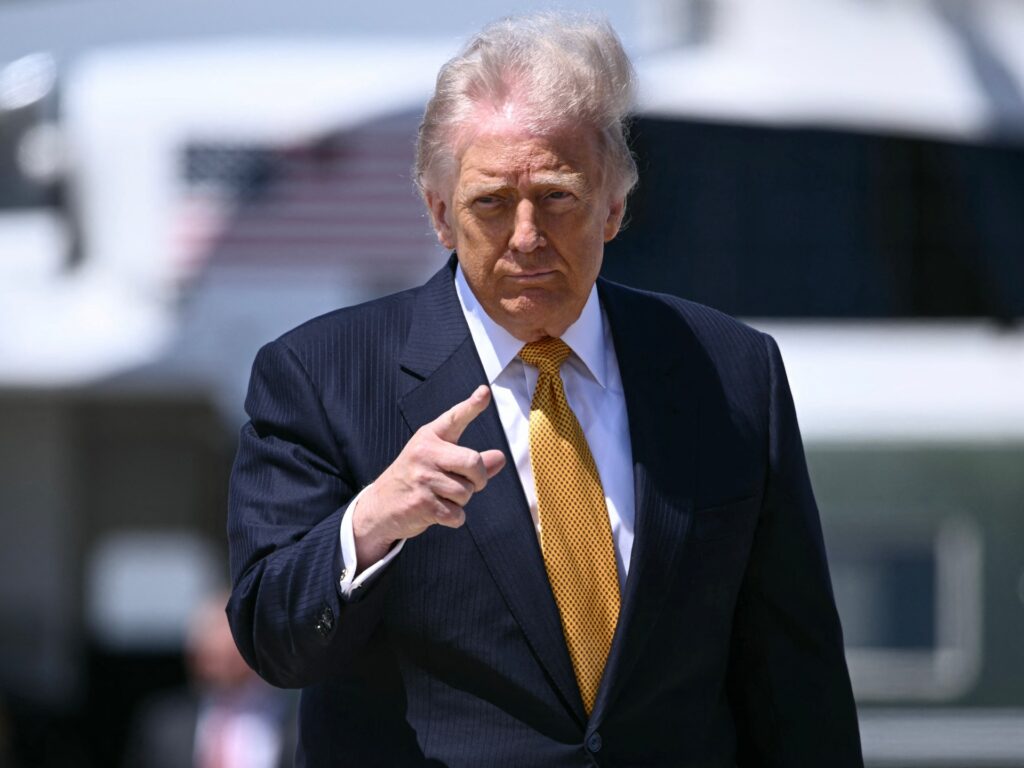
As the conflict in Iran reaches day 75, global attention is sharply focused on escalating tensions in the Gulf region and the upcoming high-stakes diplomatic encounter between former U.S. President Donald Trump and Chinese leader Xi Jinping in Beijing. This pivotal meeting underscores the increasing geopolitical complexity surrounding the Iran war and efforts to stabilize the volatile region.
The ongoing Iran war has placed the Gulf at the heart of a severe international crisis, with significant humanitarian and economic repercussions. The conflict, now extending into its third month, has seen intensified military engagements and rising civilian casualties, sparking worldwide concern and condemnation.
Against this backdrop, China emerges as a crucial player seeking to mediate and influence outcomes in the Middle East. The scheduled talks between Trump and Xi Jinping in Beijing symbolize an unusual but strategic diplomatic effort to address the multifaceted challenges posed by the Iran war. Both leaders are expected to discuss a range of issues including regional security, economic sanctions, and potential pathways to peace.
The Gulf region remains tense as rivalries deepen and international powers navigate their interests amid a fragile ceasefire and ongoing skirmishes. Energy markets have reacted sharply to the instability, with oil prices soaring due to fears of disrupted supplies from a key global oil-producing area.
Trump’s visit to Beijing is laden with expectations. Analysts suggest that his discussions with Xi could influence U.S.-China relations broadly, beyond just the Iran conflict. Cooperation or friction between the two powers on this issue could have lasting impacts on international diplomacy, trade, and security architecture.
China has called for restraint and dialogue, emphasizing the need for a diplomatic resolution to avoid further bloodshed and economic disruption. Beijing’s position highlights its strategic interests in maintaining stability in the Middle East, given its reliance on the region for energy resources and trade routes.
The diplomatic encounter marks a rare moment of convergence in a period marked by competing global agendas. Observers will watch closely to see if Trump’s approach aligns with China’s vision for managing the crisis or if tensions between their interests will complicate efforts to de-escalate the situation.
While the Iran conflict continues unabated, the international community is hopeful that dialogue initiated at the highest level might pave the way for substantive progress toward peace. However, significant challenges remain, including entrenched hostilities, regional power struggles, and the risk of wider involvement from other nations.
As the war enters another critical phase, the world awaits the outcomes of the Beijing meeting and its potential to reshape the trajectory of the Iran conflict and foster greater stability in the Gulf region. The coming days will be crucial in determining whether diplomacy can prevail over conflict in this volatile theater.