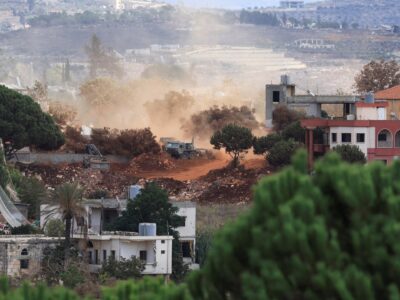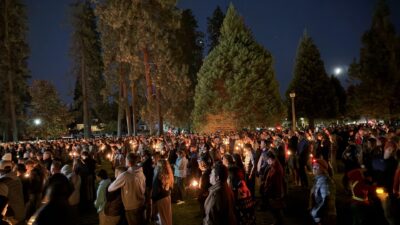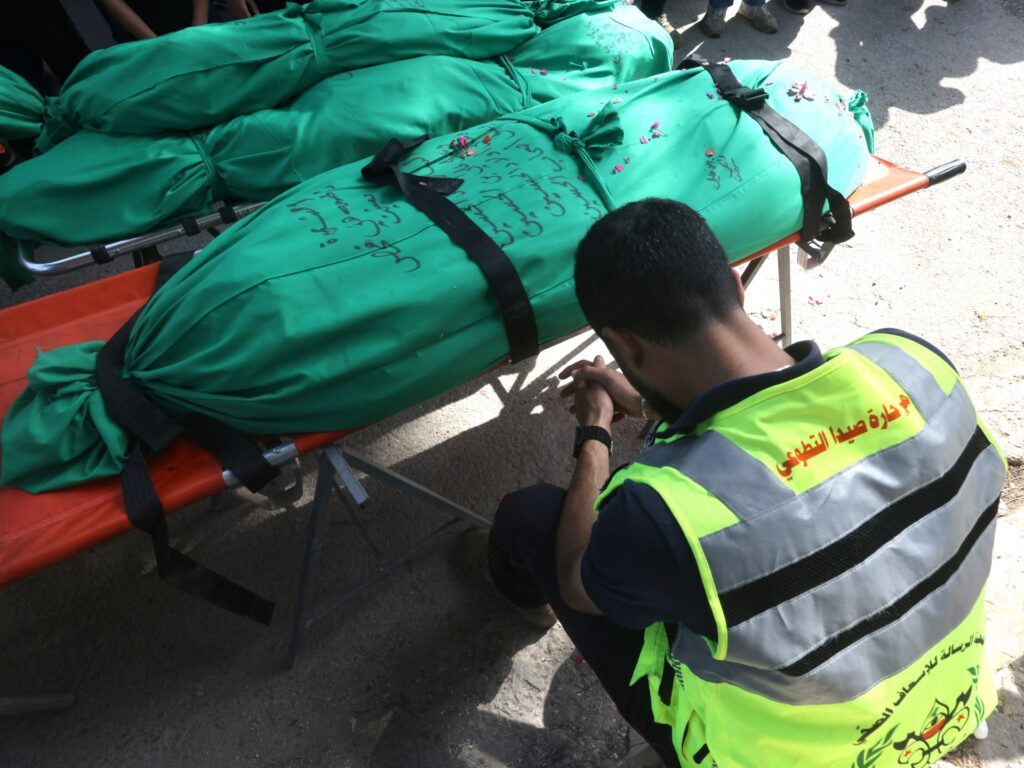
Israeli military operations in southern Lebanon have escalated significantly over the past 24 hours, resulting in the deaths of 51 individuals, including medics who were carrying out their humanitarian duties amid the violence. This surge in attacks follows a trend of increasing hostilities in the region, with the total death toll since the ceasefire agreement on April 16 rising to 552.
The recent escalation underscores the fragile nature of the ceasefire and the ongoing tensions between Israel and Lebanese territories, particularly in the south where militant groups have historically been active. Medical personnel, who are typically protected under international law due to their non-combatant status, have unfortunately become casualties, highlighting the intensity and indiscriminate nature of the conflict.
Human rights organizations and international observers have called attention to the targeting of medical workers and facilities, urging for respect of humanitarian laws and immediate cessation of attacks that endanger civilians and those providing critical care.
The situation in southern Lebanon remains volatile, with continuous airstrikes and ground operations reported. The United Nations and other diplomatic bodies have been engaged in efforts to maintain dialogue and prevent further deterioration of the situation.
The death toll of 552 people since the ceasefire represents one of the deadliest periods in the recent history of the Israel-Lebanon conflict. Civilians continue to bear the brunt of the violence, facing displacement, destruction of essential infrastructure, and limited access to healthcare and basic services.
International calls for renewed peace talks and negotiations are growing louder as the humanitarian crisis deepens. The loss of medics among the casualties has particularly alarmed the international community, emphasizing the urgent need for security and protection for humanitarian actors in the region.
As the conflict persists, the people of southern Lebanon remain in a precarious situation, with risks of further casualties and ongoing disruption to their lives and livelihoods. The path to peace remains uncertain, with efforts focused on both mitigating immediate violence and addressing the underlying issues fueling the conflict.