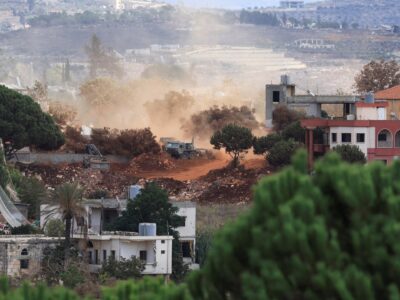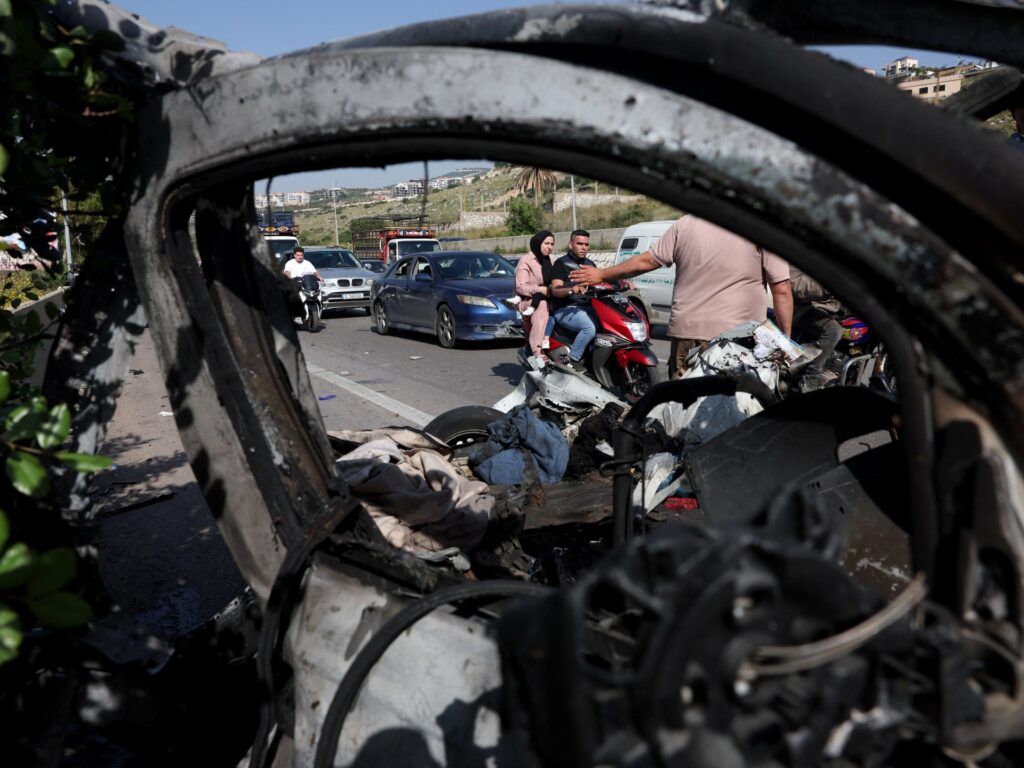
Recent Israeli military operations in Lebanon have resulted in the deaths of at least 24 individuals, marking a significant escalation in the ongoing conflict between the two nations. These attacks come despite the announcement of a US-brokered ceasefire aimed at halting hostilities and creating a pause for diplomatic dialogue.
The ceasefire, which was intended to bring immediate calm to the region, has seen limited effectiveness as Israeli forces continued their offensive actions. The sustained assaults have raised concerns about the stability of the ceasefire agreement and the prospects for peace.
Lebanese authorities and international observers have reported significant damage in various regions across Lebanon, with critical infrastructure and civilian areas affected by the bombardments. The impact on local communities has been severe, leading to a humanitarian crisis with many citizens displaced and in urgent need of assistance.
Despite international calls for restraint and adherence to the ceasefire terms, hostilities have persisted. The complex geopolitical dynamics involving Israel, Lebanon, and other regional stakeholders have contributed to the challenges in maintaining lasting peace.
The United States, which brokered the ceasefire, has expressed disappointment over the continued violence and reiterated its commitment to facilitating diplomatic solutions. Efforts are underway to convene a new round of peace talks scheduled for next week, aiming to address the underlying issues driving the conflict and to establish a durable cessation of hostilities.
These negotiations are expected to involve multiple parties, including Israeli and Lebanese representatives, as well as international mediators. The goal is to find common ground and develop mechanisms to prevent future flare-ups of violence.
In the meantime, humanitarian organizations are mobilizing to provide relief to those affected by the attacks, focusing on medical aid, shelter, and basic necessities. The international community has called for urgent support to alleviate the suffering of civilians caught in the crossfire.
The situation remains tense, with analysts warning that the continuation of Israeli attacks could further destabilize the region and complicate diplomatic efforts. The coming days will be critical in determining whether the ceasefire holds and whether the peace talks can pave the way for a sustainable resolution.
In summary, the recent Israeli attacks across Lebanon have resulted in significant casualties and raised concerns about the viability of the US-brokered ceasefire. With a new set of discussions planned for next week, all eyes are on the diplomatic process to see if a path to peace can be achieved amid ongoing hostilities.