The geopolitical landscape in the Middle East remains volatile as tensions escalate between Iran, the United States, and Israel. The Islamic Revolutionary Guard Corps (IRGC) of Iran has issued a stern warning to the United States against any attacks on Iranian ships in the region. This comes amidst a fragile ceasefire between Tehran and Washington, which has so far held but is under significant strain due to recent developments.
The IRGC’s warning emphasizes the seriousness with which Iran views any interference in its maritime activities, particularly near strategic waterways where oil tankers transit. Any aggressive actions against Iranian vessels could lead to severe retaliatory measures, according to Iranian military officials.
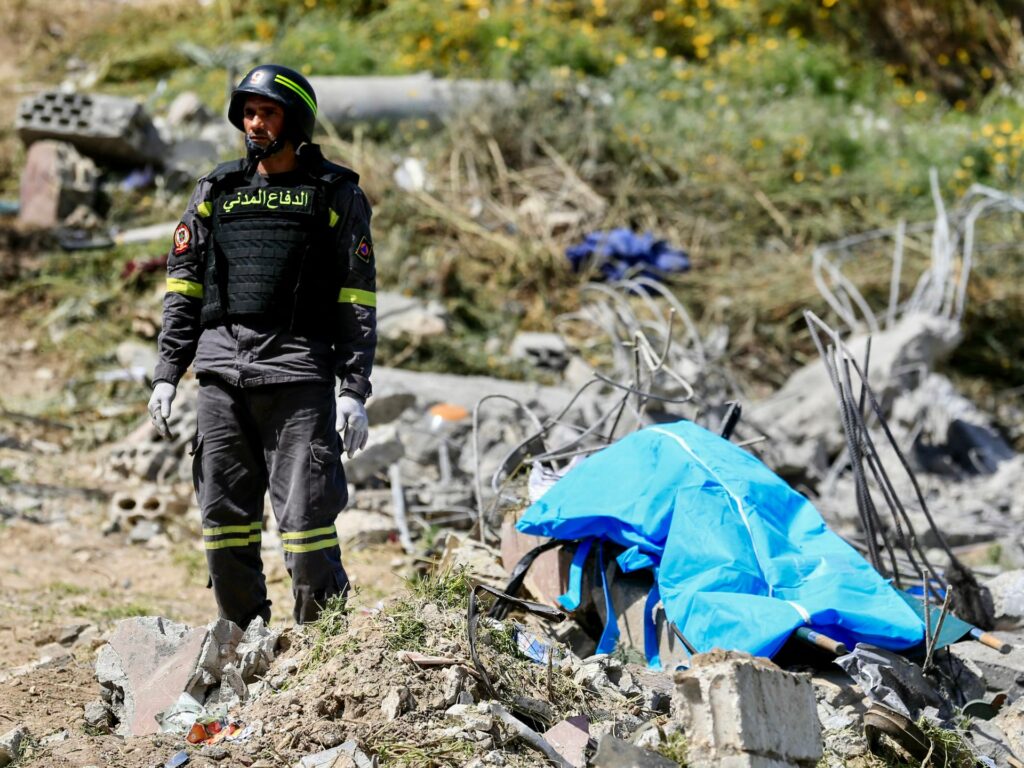
Simultaneously, Israel intensified its military operations in Lebanon, conducting airstrikes that resulted in the deaths of 24 people. These strikes are part of ongoing conflicts involving Israeli forces and militant groups within Lebanon’s borders. The attacks have raised international concerns about further destabilization of the region, potentially provoking wider conflict.
Despite the ceasefire between the United States and Iran, which was hoped to reduce hostilities and prevent escalation, these developments reveal the precarious nature of peace in the area. The US continues to monitor the situation closely, balancing its strategic interests with the need to avoid open conflict.
The broader context includes longstanding tensions over Iran’s nuclear program, maritime security in the Persian Gulf, and proxy conflicts throughout the Middle East. Each incident, like the IRGC’s warning and Israel’s bombing campaign, feeds into an intricate web of regional hostility and international diplomacy.
Experts warn that the risk of a larger confrontation remains high unless diplomatic efforts are intensified. The international community is urged to support dialogue and avoid military escalations that could lead to significant loss of life and destabilization.
In summary, while a ceasefire technically exists between Tehran and Washington, the situation on the ground remains volatile. The IRGC’s threat against US actions on tankers and Israel’s aggressive moves in Lebanon underscore the fragile state of peace and security in the Middle East. The coming days will be critical in determining whether renewed conflict will erupt or if diplomatic channels can gain traction to de-escalate tensions.
This ongoing crisis highlights the complex security challenges facing the region and the urgent need for sustained international engagement to promote stability and peace.