In a significant escalation of tensions in the Persian Gulf, Iran has announced that it launched an attack on US Navy ships after what it described as the targeting of an Iranian tanker. Tehran stated that the naval assault caused “significant damage” to the American military vessels involved. This declaration marks a notable development in the increasingly fraught relations between the United States and Iran.
According to official Iranian sources, the Iranian military responded swiftly to what it characterized as an act of aggression by the US against Iranian maritime interests. The Iranian government has promised a “crushing response to any aggression,” signaling a potential for further military confrontations in the region.
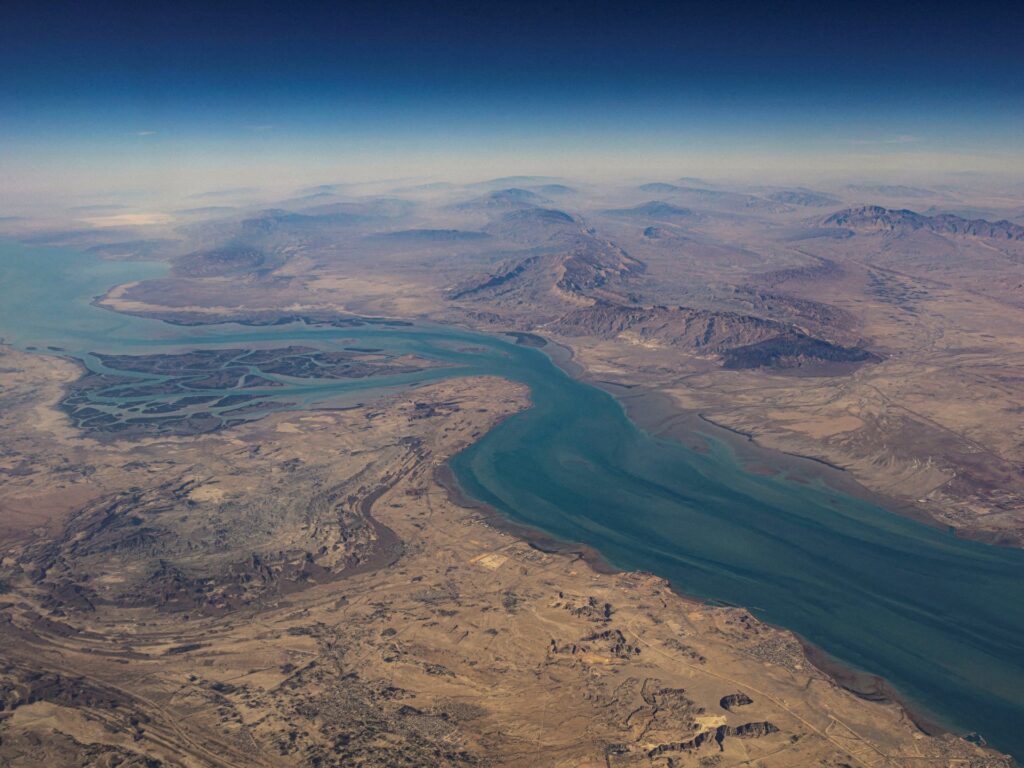
The incident reportedly took place in a strategic waterway, heightening concerns among international observers about the security of commercial and military navigation routes. Details surrounding the exact nature of the initial provocation against the Iranian tanker remain unclear, with both sides accusing each other of inciting conflict.
US Navy officials have not yet released a comprehensive statement regarding the damage or the specifics of the assault, but the Pentagon is expected to address the situation in an upcoming briefing. Analysts suggest that this clash could lead to increased military presence and patrols in the area, as well as diplomatic efforts to de-escalate tensions.
Historically, the Persian Gulf has been a hotspot for confrontations between Iran and US forces, with each side maintaining vigilant defense postures to secure their respective national interests. This latest episode underscores the fragile nature of peace in the region and raises the stakes for international diplomacy.
The international community has urged restraint from all parties involved, emphasizing the importance of dialogue over military action. There are growing calls for a peaceful resolution to prevent any further escalation that could jeopardize regional stability and global energy supplies.
Maritime security experts have noted that incidents like these have the potential to disrupt international shipping lanes, possibly leading to increased insurance costs and heightened risks for commercial vessels. The economic impact could extend beyond the immediate region, affecting global markets reliant on secure and stable trade routes.
Meanwhile, Iran’s promise of a “crushing response” serves as a stern warning against future military incursions or provocations by the United States or its allies. This rhetoric is likely to complicate ongoing diplomatic negotiations and may influence the strategic calculations of other regional powers.
As the situation develops, both the US and Iran are being closely monitored by the global community, with the hope that diplomacy will prevail to avoid escalation into larger armed conflict. The coming days will be crucial in determining the direction of US-Iran relations and the broader security landscape of the Middle East.