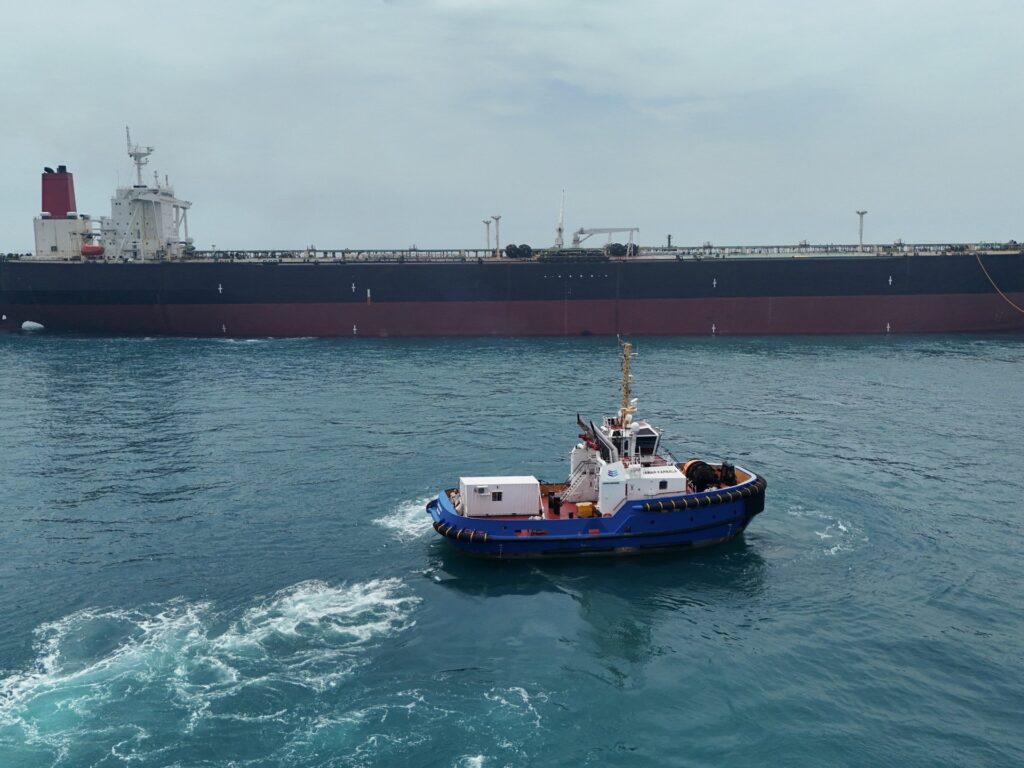
Tensions in the Strait of Hormuz have escalated sharply as an American warship came under missile attack by Iran’s navy. This incident occurred shortly after President Donald Trump announced ‘Project Freedom,’ an initiative aimed at liberating ships stranded in the strategic waterway.
The Strait of Hormuz, a critical chokepoint for global oil shipments, has been a hotspot for geopolitical strife given its strategic importance connecting the Persian Gulf with the Gulf of Oman and the Arabian Sea. Iran’s naval forces launched missiles targeting the US warship, marking a significant and dangerous development in the ongoing confrontations between the two nations.
President Trump’s ‘Project Freedom’ was unveiled as a response to growing concerns over the safety of international shipping lanes in the region. The project aimed to ensure the safe passage of vessels, which have faced threats and obstructions attributed to Iranian forces in recent months.
The missile attack underscores the volatility of the situation and the high risks associated with military presence in the area. Diplomatic efforts to de-escalate tensions have been ongoing, but the attack signifies a possible shift towards more aggressive tactics by Iran’s military.
US officials have condemned the assault, emphasizing that the attack on the warship represents a severe violation of international maritime law and threatens regional stability. The Pentagon has indicated that it is reviewing options for a strong response, balancing the need to protect national interests and avoid further escalation.
Iran, on the other hand, defends its actions as protecting its sovereignty and responding to perceived threats from US naval operations near its territorial waters. The Iranian government accuses the US of trying to assert dominance in a region where Iran considers itself a key power.
This latest incident is not isolated but part of a series of confrontations in the Persian Gulf, including the seizure of vessels, warnings issued by naval forces, and exchanges of fire between the parties involved. The international community has called for restraint and dialogue to prevent a broader conflict.
Energy markets have reacted nervously to the attack, with oil prices experiencing volatility due to fears of disruption in the supply chain from one of the world’s most crucial oil transit routes. The global economic impact of a prolonged conflict in Hormuz would be substantial.
Analysts warn that the attack could escalate into a wider conflict if diplomatic channels fail to produce a peaceful resolution. Both the US and Iran possess significant military capabilities in the region, raising concerns about the potential for dangerous miscalculations.
The United Nations and other international bodies have urged both sides to exercise maximum restraint and engage in meaningful negotiations. There is growing pressure on global powers to mediate the dispute and secure the free flow of commerce through the Strait of Hormuz.
In summary, the missile attack on the US warship by Iran’s navy in Hormuz marks a critical juncture in the already tense relations between the two countries. President Trump’s ‘Project Freedom’ initiative, aimed at ensuring safe passage for stranded ships, now faces heightened challenges amid escalating military hostility. The world watches anxiously as diplomatic and military developments in this crucial maritime corridor have far-reaching implications for regional security and global stability.