The geopolitical landscape in the Middle East remains volatile as tensions intensify between Washington and Tehran, with both nations exchanging stern threats over the strategic Strait of Hormuz. This pivotal waterway, through which a significant portion of the world’s oil supply passes, has become a flashpoint for regional conflict and international diplomacy.
The Strait of Hormuz, situated between the Persian Gulf and the Gulf of Oman, holds critical importance for global energy security. Any disruption here could have widespread ramifications for oil prices and energy markets worldwide. The recent exchange of threats highlights the fragile state of affairs and the potential for escalation into broader conflict.
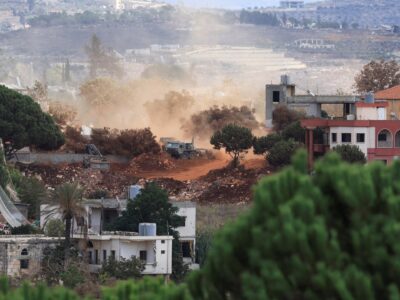
Meanwhile, the ground realities in the region depict a grim picture. The Lebanese Health Ministry has reported a devastating toll due to Israeli attacks, with 2,696 casualties since March 2. This grim statistic underscores the severe human cost of ongoing hostilities, further complicating the already tense regional dynamics.
Israel’s military operations in Lebanon have sparked international concern, with calls for restraint and the protection of civilian lives. The Lebanese government and various humanitarian organizations have condemned the attacks, emphasizing the urgent need for a ceasefire and dialogue.
In Washington, officials have signaled readiness to respond decisively to any threats that jeopardize maritime security in the Strait of Hormuz. This stance is perceived by Tehran as provocative, escalating rhetoric and military posturing in response.
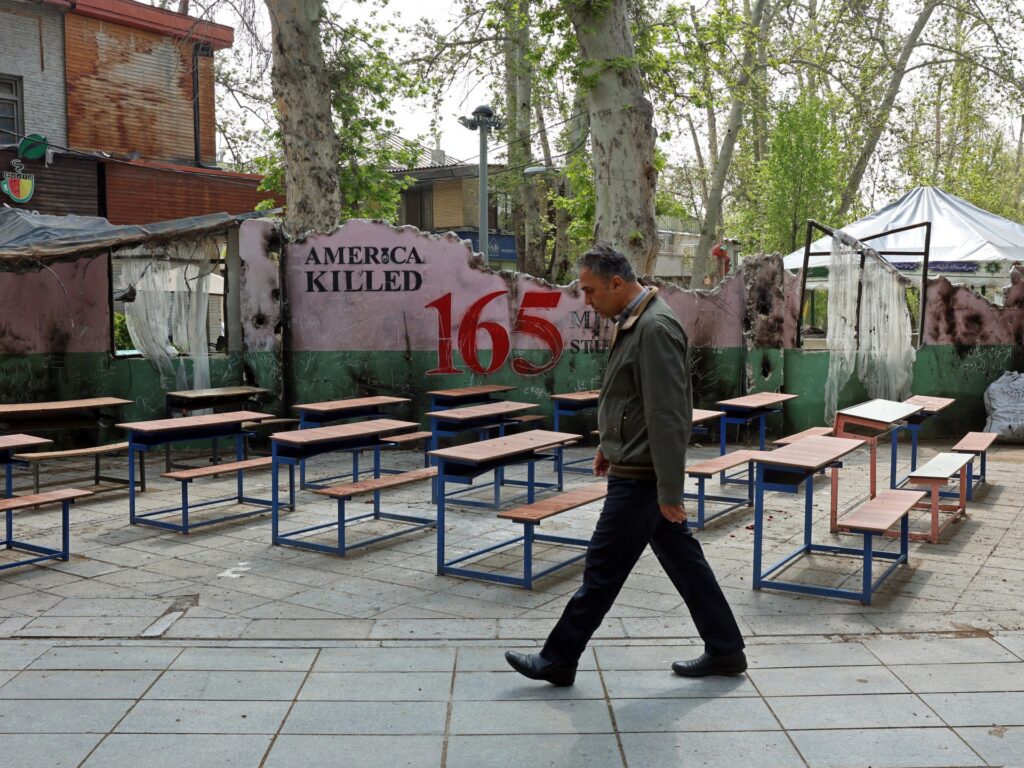
Iran’s leadership has vowed to defend its sovereignty and regional interests, warning that any interference in the Strait will be met with strong retaliation. These exchanges reflect deeper strategic rivalries and enduring mistrust between the two powers.
International actors, including the United Nations and regional organizations, have called for de-escalation and diplomatic engagement. The prospect of a broader conflict looms large, and diplomatic channels are being urged to prevent further deterioration.
The situation in Lebanon also demands urgent attention. The high casualty numbers amid Israeli attacks highlight the humanitarian crisis unfolding, with displaced populations and infrastructure damage exacerbating the plight of civilians.
As the world watches, the convergence of these crises underscores the interconnectedness of regional conflicts and their global implications. The Strait of Hormuz remains a potential flashpoint, and the ongoing violence in Lebanon illustrates the broader instability affecting the Middle East.
In summary, the exchange of threats between Washington and Tehran over the Strait of Hormuz occurs against a backdrop of significant violence and human suffering in Lebanon due to Israeli attacks. The international community faces a critical moment to promote peace, protect civilians, and ensure the stability of a region vital to global energy and security interests.