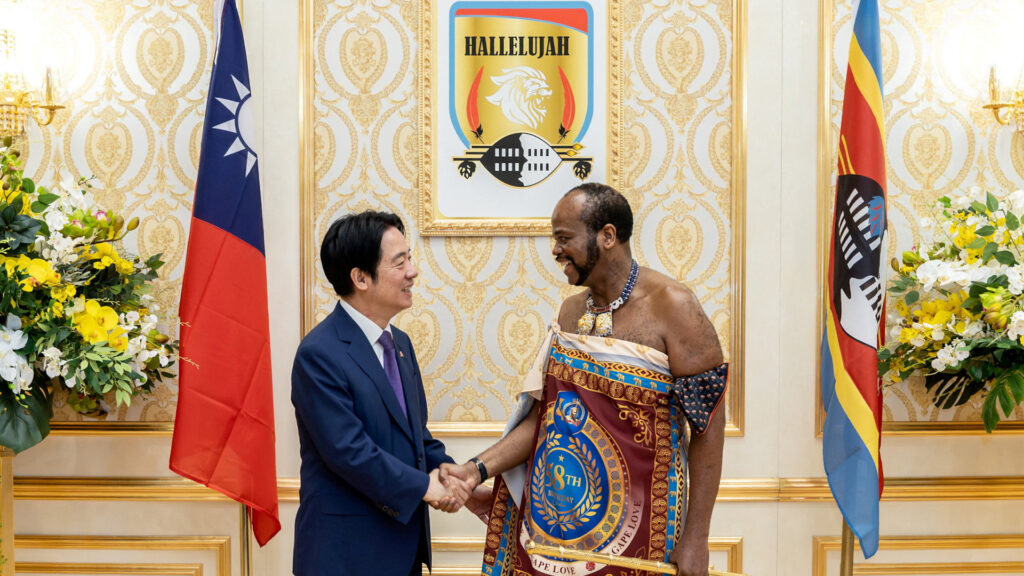
Taiwan’s Vice President William Lai Ching-te has embarked on a significant diplomatic trip to Eswatini, marking a notable event in international relations. Eswatini remains the only African nation that officially recognizes Taiwan as a sovereign state, maintaining diplomatic ties despite the widespread global shift towards recognizing the People’s Republic of China (PRC).
The visit comes amid growing pressure from China, which claims Taiwan as a part of its territory and staunchly opposes any formal interactions that could bolster Taiwan’s international standing. Beijing has persistently urged countries to sever ties with Taiwan, often using economic influence and diplomatic leverage to isolate Taipei on the world stage.
William Lai’s trip to Eswatini, therefore, is both strategic and symbolic. It underscores Taiwan’s efforts to maintain and strengthen its few remaining diplomatic alliances, especially in regions where it holds significant historical and political goodwill. Eswatini’s continued recognition of Taiwan is a rare but important testament to Taiwan’s independent diplomatic presence.
The visit includes discussions on enhancing bilateral cooperation in various sectors including trade, agriculture, education, and healthcare. Eswatini is keen to deepen ties with Taiwan, benefiting from Taiwanese technological expertise and investment, which are critical to the economic development of this small African nation.
Taiwanese officials view the trip as a demonstration of Taiwan’s resolve to uphold its sovereignty and international partnerships despite isolation attempts. It highlights the ongoing geopolitical contest between China and Taiwan, with Eswatini playing a pivotal role as an ally in Africa.
China’s reaction to the visit has been predictably negative, criticizing Eswatini for maintaining ties with Taiwan and accusing the island’s leaders of fomenting division. Nonetheless, Eswatini’s government has reaffirmed its commitment to its longstanding friendship with Taiwan, emphasizing mutual respect and benefit.
This visit not only strengthens Taiwan’s foothold in Africa but also shines a spotlight on the complex diplomatic dynamics involving China, Taiwan, and their respective partners around the world. The situation remains a delicate balancing act for countries like Eswatini that navigate relations with both China and Taiwan.
In summary, William Lai’s visit to Eswatini is more than a routine diplomatic trip—it’s a bold statement of Taiwan’s defiance against diplomatic isolation, a testament to enduring alliances, and a reflection of the ongoing global geopolitical struggle over Taiwan’s international status.