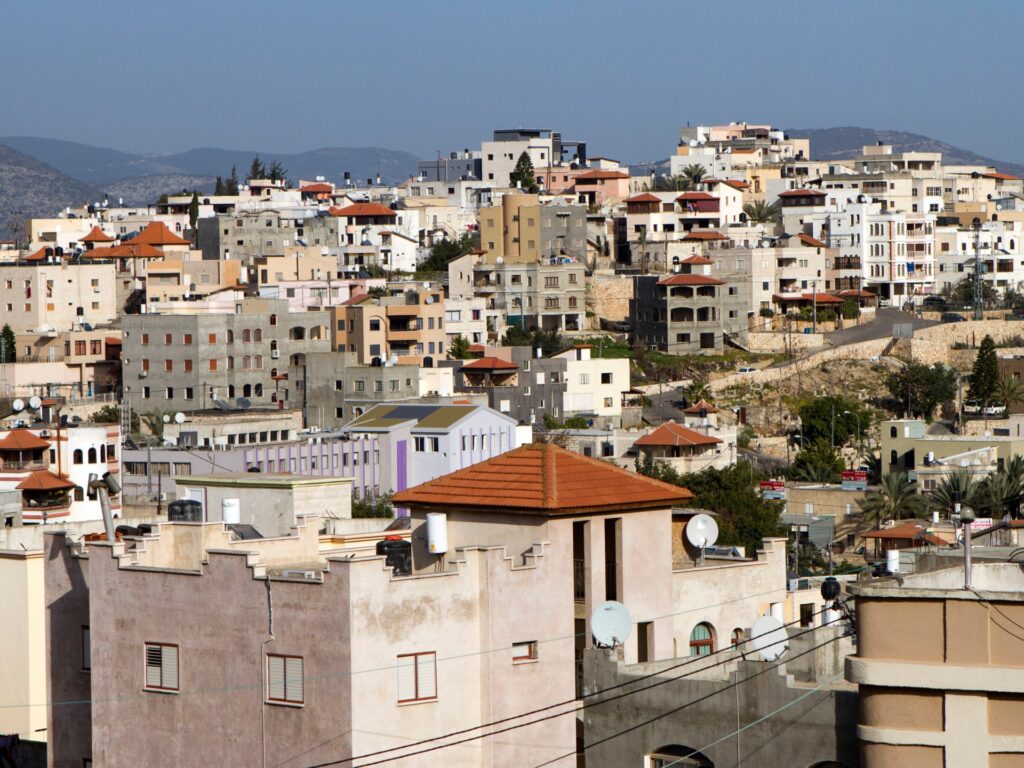
In recent years, Palestinian communities within Israel have witnessed a staggering rise in violent crime, notably homicide rates, sparking intense scrutiny and debate over the state’s role and responsibilities. This surge in violence has brought the issue of Israel’s ‘two-tier’ policing system into sharp focus, where Palestinian towns suffer from significantly less effective law enforcement compared to Jewish areas.
The term ‘two-tier policing’ refers to the stark disparities in police presence, resources, and responsiveness between different sectors of Israeli society, particularly between Jewish-majority neighborhoods and Palestinian-populated areas inside Israel. In Palestinian towns, residents frequently report inadequate police protection, slow response times, and a general atmosphere of law enforcement indifference. This neglect has been linked to the exploding crime rates, with many towns experiencing an epidemic of violence largely unchecked by authorities.
Murder rates in these Palestinian areas have soared to alarming levels, with some towns recording figures comparable to warzones. Families and community leaders have voiced their frustration and despair, attributing the situation not only to internal social challenges but also to systemic issues in policing and governance. The police, on their part, have often been accused of complicity or outright negligence, exacerbating the dangers faced by Palestinian residents.
Experts argue that this crime wave is fueled by a mix of factors including economic marginalization, poverty, and social fragmentation within these communities. However, the lack of robust and fair policing compounds these issues and creates a cycle of violence that is difficult to break.
Activists and human rights organizations contend that the state’s failure to provide equal protection under the law cultivates a breeding ground for criminals and undermines the rule of law. They highlight instances where police responses to violence in Palestinian areas are markedly less vigorous compared to their reaction in Jewish settlements.
This situation has led to growing demands for reform. Calls for enhanced police presence, better investigative resources, and community policing initiatives aim to restore safety and trust in law enforcement agencies. Yet political sensitivities and deep-rooted mistrust continue to hinder effective cooperation between Palestinian communities and the Israeli government.
The crisis of policing and crime in Palestinian towns inside Israel reflects broader socio-political tensions and inequalities. Addressing it requires a multi-faceted approach that combines law enforcement reform, socioeconomic development, and genuine efforts to integrate these communities fully into Israeli society.
In summary, Israel’s ‘two-tier’ policing system has contributed to a significant rise in violent crime in Palestinian towns within the country, marked by soaring murder rates and widespread feelings of abandonment and insecurity among residents. The challenge remains to reconcile policing disparities and to create a more equitable, safe environment for all citizens, regardless of ethnicity or location.