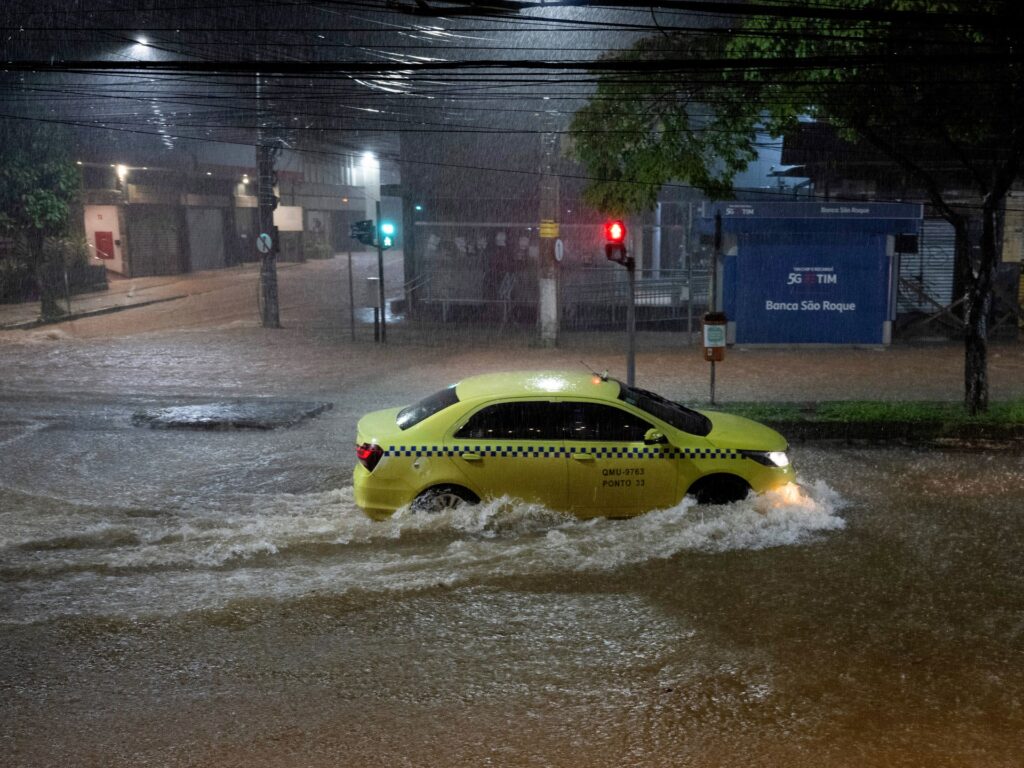
Northeast Brazil is grappling with devastating heavy rains that have resulted in at least six confirmed deaths and displaced thousands of residents. The states of Pernambuco and Paraiba have been particularly hard hit, enduring significant flooding and related damages.
This recent bout of extreme weather has struck at a time when studies indicate a troubling rise in the frequency and intensity of heavy rains throughout the country. Experts have linked this trend to broader patterns of climate change, which are exacerbating rainfall extremes and increasing the vulnerability of communities in the region.
In Pernambuco and Paraiba, emergency response teams are working tirelessly to aid affected populations, many of whom have had to evacuate their homes due to rising waters. The floods have disrupted daily life, damaging infrastructure, homes, and key services, posing ongoing challenges for recovery efforts.
Authorities have appealed for national and international assistance to support relief operations as the situation remains critical. Shelters have been established to house displaced families, and resources are being mobilized to provide food, water, and medical care.
The ongoing rains and flooding underscore the urgent need for adaptive strategies to strengthen resilience against climate-induced disasters in Brazil. Urban planning, improved drainage systems, early warning mechanisms, and community awareness campaigns are essential components to mitigate the impact of future extreme weather events.
The recent calamity in Pernambuco and Paraiba serves as a stark reminder of the social and economic costs of environmental changes. The government and civil society are urged to collaborate closely in both immediate response efforts and long-term mitigation planning to protect vulnerable populations and build sustainable, disaster-resilient communities.
As the country continues to confront these challenges, the experiences of northeast Brazil highlight the critical importance of addressing climate risks comprehensively and proactively to safeguard lives and livelihoods across the region.