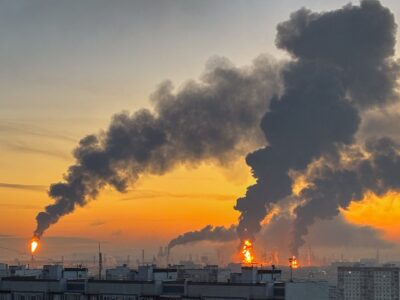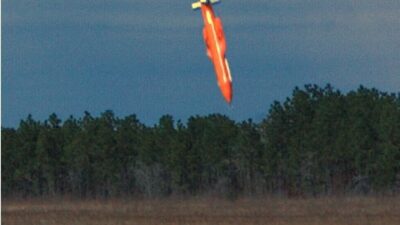
Recent developments in southern Lebanon have escalated tensions as Israeli airstrikes resumed despite an already fragile ceasefire, resulting in significant casualties and displacement. The airstrikes have killed at least 14 individuals, creating further instability in a region still grappling with the aftermath of ongoing conflict.
The ceasefire, intended to halt hostilities between Israeli forces and Lebanese factions, has faltered, with violations on both sides exacerbating the humanitarian situation. The Israeli military has targeted locations in southern Lebanon, citing security concerns and retaliation motives. However, these attacks have caused severe damage to civilian infrastructure and displaced many families.
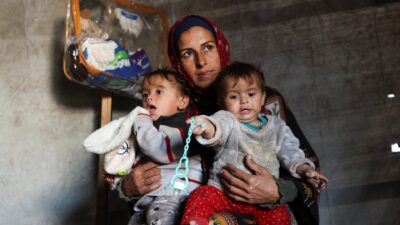
Local authorities report that the strikes have led to a new wave of displacement as residents flee affected areas to seek safety. Humanitarian organizations express alarm, highlighting the urgent need for renewed diplomatic efforts to prevent further loss of life and suffering.
This escalation undermines previous agreements aimed at stabilizing the border region and brings renewed focus to the fragile peace maintained through international mediation. The United Nations and other global actors have called for restraint and adherence to ceasefire terms to avoid a broader conflict.
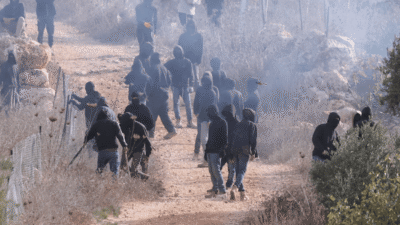
The situation remains volatile as negotiations continue, and communities brace for the potential of ongoing hostilities. The international community watches closely, hoping for a swift resolution to restore peace and protect civilian lives in Lebanon amidst the complex geopolitical dynamics of the region.