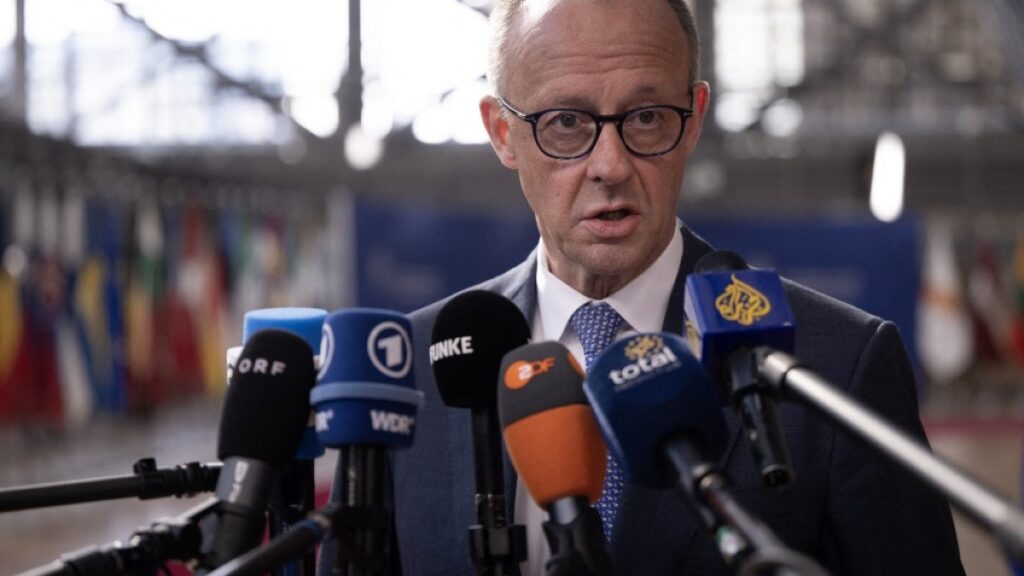
In a recent statement that has drawn significant international attention, Germany’s Chancellor Friedrich Merz declared that Iran has “clearly humiliated” the United States in its ongoing conflicts. Merz’s comments shed light on the complex dynamics of geopolitical tensions in the Middle East and signal a strong warning regarding the potential consequences for the US.
Merz emphasized the growing strength of Iran in the region, noting that the country’s resilience and strategic maneuvers have challenged US efforts. “Clearly stronger,” Merz stated, underscoring his view that Iran has not only endured but emerged as a more formidable force through its engagements.
Additionally, the German Chancellor warned Washington of the dangers of becoming ensnared in yet another protracted conflict. Drawing parallels to the US military engagements in Iraq and Afghanistan, Merz cautioned that the United States risks becoming bogged down in a similar quagmire if it continues on its current path.
The comment reflects increased concern among European leaders about the long-term viability and cost of US foreign interventions in the Middle East. Merz’s remarks suggest a call for a more prudent and strategic approach, emphasizing diplomatic solutions over military escalation.
Analysts note that the US has faced significant challenges in countering Iranian influence, with Tehran leveraging regional proxy groups, ballistic missile capabilities, and diplomatic efforts to assert its interests. These developments have complicated US policy objectives and raised questions about the effectiveness of current strategies.
The warning from Germany’s leader also resonates with debates within the US regarding the sustainability of extended military commitments abroad. Many experts argue that lessons from past conflicts should inform future decisions to avoid unnecessary entanglements.
Merz’s outspoken position marks a notable moment in transatlantic relations, illustrating the complexity of aligning international strategies in addressing Iran and the broader Middle East conflict landscape.
In conclusion, Germany’s Chancellor Friedrich Merz has made a bold statement recognizing Iran’s strengthened position and criticizing the United States’ approach to conflict in the region. His warning about the risks of entrapment in another long-term military engagement underscores the urgent need for reassessment of foreign policy strategies to prevent repeating past mistakes.