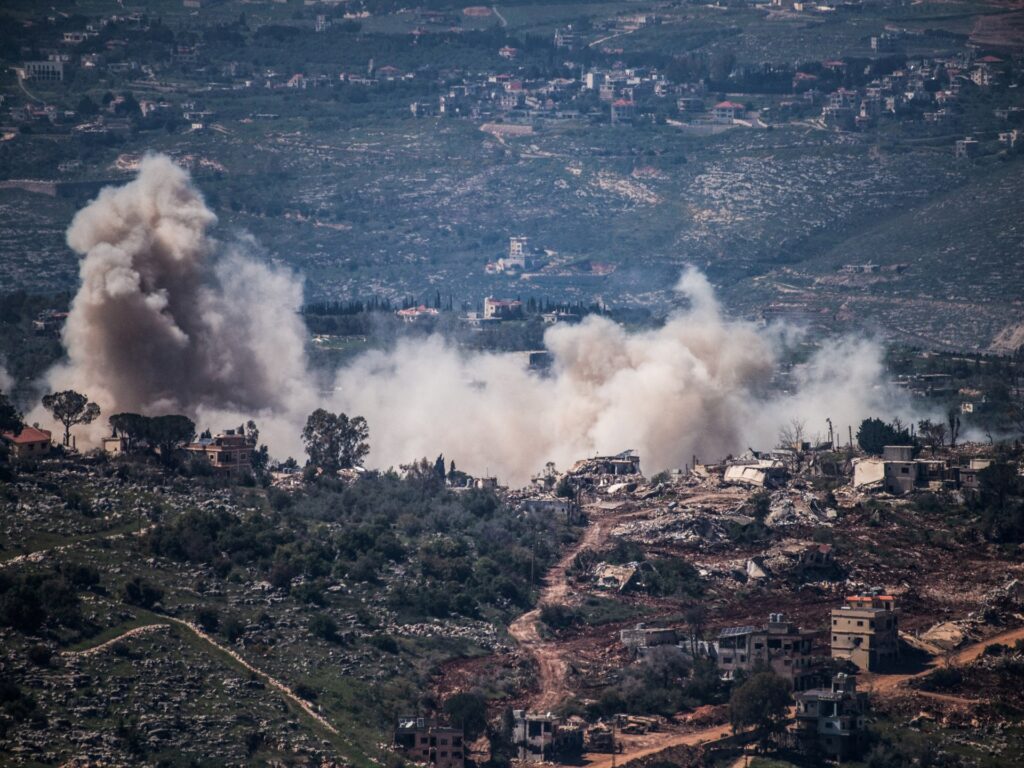
In a significant escalation of tensions along the Israel-Lebanon border, Israel has issued forced evacuation orders for residents in southern Lebanon. This move comes amid escalating hostilities and growing concerns over the fragile ceasefire agreement between the two nations.
The Israeli government justified the evacuation orders, citing security concerns and the need to protect its citizens from potential threats emanating from southern Lebanon. The region has long been a flashpoint due to the presence of Hezbollah, a Lebanese militant group and political party.
Israeli Prime Minister Benjamin Netanyahu recently accused Hezbollah of undermining the ceasefire between Israel and Lebanon. Netanyahu’s allegations suggest that Hezbollah’s actions are contributing to instability and threatening peace efforts in the area.
In response, Hezbollah categorically rejected the accusations made by Netanyahu. The group maintained that it is committed to the ceasefire and dismissed claims that it is responsible for any violations. Hezbollah’s leadership emphasized their stance as defenders of Lebanese sovereignty and resistance against Israeli aggression.
The forced evacuations have raised concerns among international observers and humanitarian organizations, worried about the impact on civilians caught in the crossfire. The situation highlights the precarious security environment in southern Lebanon and its implications for regional stability.
The history of conflict between Israel and Hezbollah is marked by numerous confrontations, with the 2006 Lebanon War being one of the most significant episodes. Since then, intermittent clashes and political tensions have persisted, fueled by differing national interests and alliances.
The recent escalation has been condemned by various international actors calling for restraint and a return to dialogue. Peace efforts in the region remain fragile, with ongoing negotiations aimed at maintaining the ceasefire and preventing a full-scale conflict.
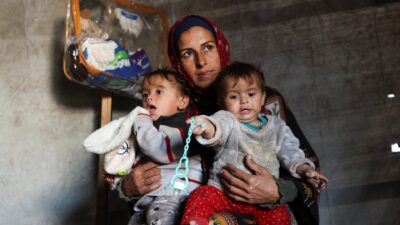
Residents affected by the evacuation orders face uncertainty as they relocate in response to the heightened threat environment. The humanitarian impact is compounded by the challenge of providing adequate shelter and resources for displaced populations.
The situation underscores the complex geopolitical dynamics in the Middle East, where local conflicts often have broader regional implications. The international community continues to monitor developments closely, urging all parties to avoid actions that could escalate violence further.
As the crisis unfolds, diplomatic channels remain crucial in seeking solutions to prevent further deterioration of security and to protect civilians in the conflict zone. The coming weeks will be critical in determining whether the ceasefire holds or if the region slips into renewed violence.