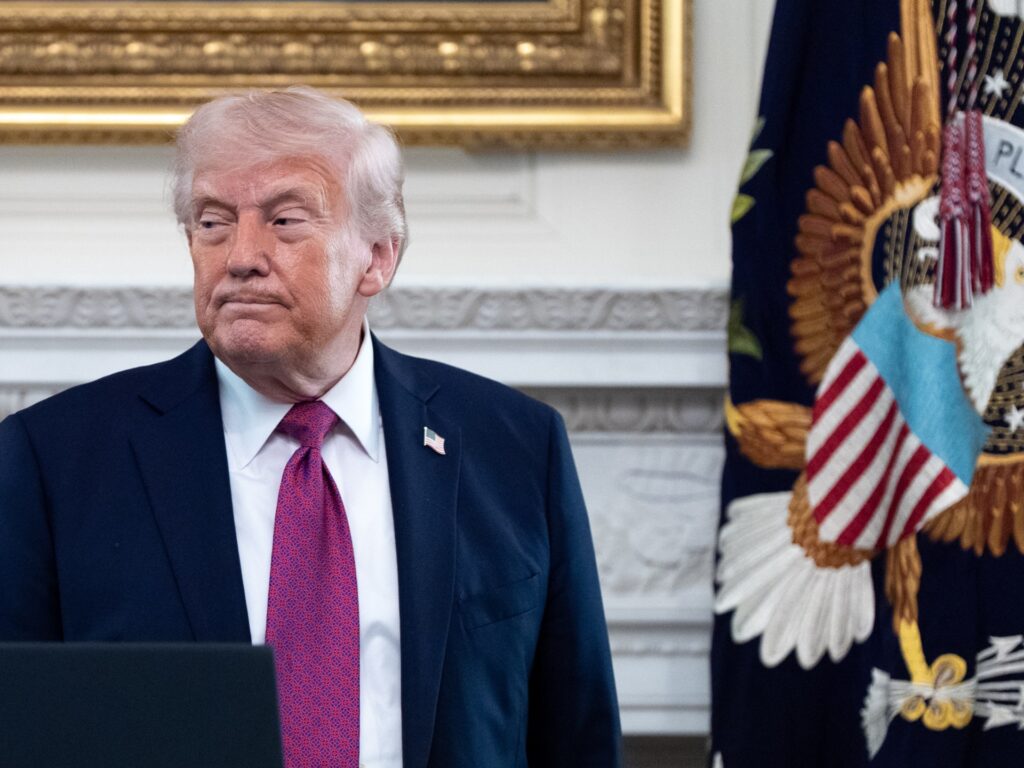
In a recent development following the Virginia redistricting referendum, former President Donald Trump publicly labeled the election results as ‘rigged.’ The referendum, which proposed changes to the state’s redistricting process, passed by a narrow margin of 51.4% in favor to 48.5% against. Trump’s comments come amid a heightened national conversation about election integrity and the methods by which electoral districts are drawn.
The Virginia referendum was a significant political event aimed at altering how legislative districts are mapped in the state. The measure sought to transfer authority from the state legislature to a bipartisan redistricting commission, with the goal of creating fairer and less partisan district boundaries. The close results indicate a deeply divided public opinion on this issue.
Trump’s assertion that the election was ‘rigged’ reflects broader distrust expressed by some political figures and segments of the population regarding electoral processes. This claim, however, has not been substantiated with concrete evidence and has been met with criticism by many election officials and independent observers.
Redistricting, often associated with gerrymandering, has long been a contentious issue in American politics. Proponents of reform argue that independent commissions can enhance fairness and competitiveness in elections, while opponents express concerns about transparency and accountability.
With Virginia representing a politically diverse state, the outcome of the referendum is seen as a bellwether for similar efforts in other parts of the country. The debate over election fairness and the mechanisms of democracy continues to be a central theme in U.S. political discourse.
The slim margin of the vote underscores the ongoing polarization on election-related issues, a trend that has intensified in recent years. As states across the nation evaluate their redistricting processes, Virginia’s experience will likely influence future reforms and the strategies of political actors.
In summary, Trump’s response to the referendum results has added to the already charged political environment surrounding election integrity and redistricting reforms. The controversy highlights the challenges faced by states in balancing the demands for fair representation, transparency, and public trust in electoral outcomes.