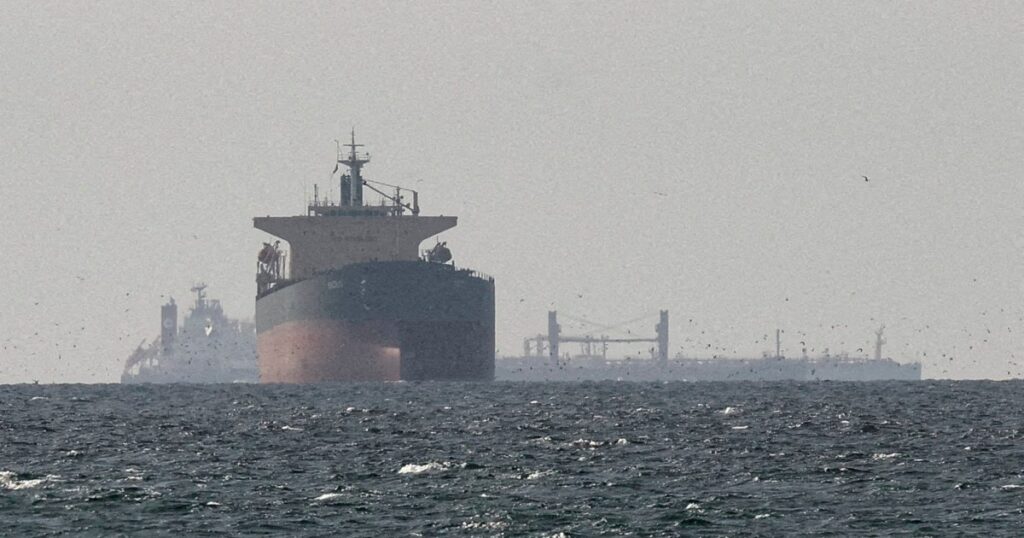
In a tense escalation in the Strait of Hormuz, Iran has seized two vessels after one of its ships reportedly came under fire. The Islamic Revolutionary Guard Corps (IRGC) of Iran claimed that the aggression occurred as a response to what it described as the US seizure of an Iranian commercial vessel.
The Strait of Hormuz, a strategically vital waterway for global oil shipments, has long been a flashpoint for geopolitical tensions between the United States and Iran. This latest incident has added to the complexity of the strained relations in the region.
According to the IRGC, the confrontation began when one of its commercial vessels was seized by US forces, an act Iran vehemently condemned as illegal. In retaliation, Iran seized two vessels navigating the Strait of Hormuz, signaling a message of defiance against what it perceives as unjust actions by the US.
Details about the identity or nationality of the seized vessels have not been fully disclosed, but the action represents a significant escalation, potentially impacting international maritime activities in the busy shipping lane.
The seizure comes amid heightened tensions following a series of maritime incidents in the region over the past months. Both sides have accused each other of provocative actions, increasing fears about the security of one of the world’s most crucial chokepoints for oil transportation.
International observers and maritime security experts are closely monitoring developments, wary of any potential disruptions the incident might cause to global energy supplies.
The IRGC’s statement framed the aggressive response as a defensive maneuver to protect Iran’s commercial interests and sovereign rights in its territorial waters. Tehran has repeatedly criticized US military presence and actions in the Gulf, which it views as threats to regional stability.
The United States has yet to officially comment on the incident or the seizure of Iranian vessels, though diplomatic channels are likely engaged behind the scenes to de-escalate the situation.
Analysts suggest that this incident could further complicate ongoing diplomatic efforts and heighten the risk of direct confrontations in the region.
The Strait of Hormuz remains critical for the transit of roughly 20% of the world’s petroleum, making any disruptions particularly concerning for global markets.
Following the incident, the international community has called for restraint and dialogue to avoid further escalation and ensure the safety of commercial navigation.
As tensions simmer, the eyes of the world are focused on Iran and the United States to see how they manage this crisis. The future of stability in the Strait of Hormuz appears uncertain as both nations stand firm on their positions.
This event underscores the fragile state of maritime security in the Persian Gulf area and highlights the ongoing geopolitical rivalry that continues to affect global trade and energy markets.
In conclusion, the seizure of two vessels by Iran in the Strait of Hormuz, shortly after an Iranian ship came under fire, marks a significant moment in the continuing confrontation between Tehran and Washington. It signals the likelihood of further tensions unless diplomatic efforts succeed in easing the standoff.