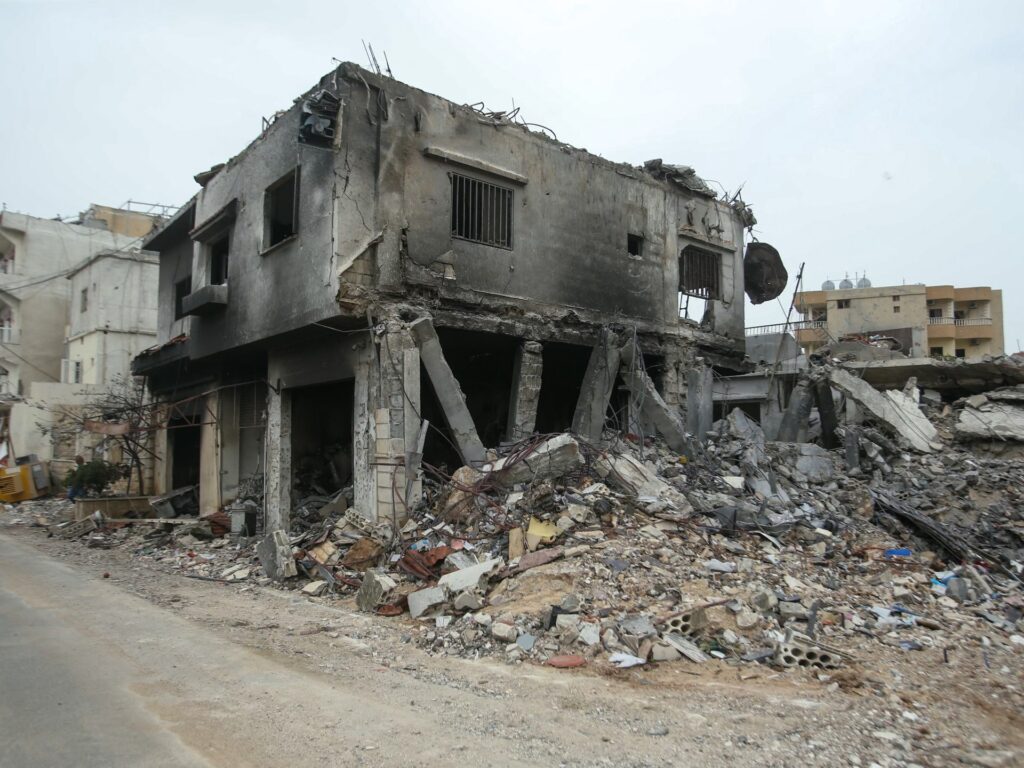
A series of Israeli strikes targeting locations in Lebanon have resulted in at least four fatalities and injuries, including to journalists, according to Lebanon’s National News Agency (NNA). The strikes have created heightened tensions and raised concerns about further escalation in the region.
The attacks reportedly took place in at-Tiri, a known flashpoint area within Lebanon. Specific details about the targets and the sequence of events remain limited, but the impact was severe enough to cause multiple casualties.
Among the wounded are journalists covering the unfolding situation, highlighting the dangers faced by members of the media in conflict zones. Their injuries underscore the risks inherent in reporting from volatile areas where military actions occur.
The exact identities and conditions of the journalists and the deceased individuals have not yet been fully disclosed. Media organizations and international observers are calling for measures to protect reporters and civilians amid ongoing hostilities.
Lebanon’s National News Agency is maintaining close coverage of the incident as additional information becomes available. The strikes have drawn international criticism and raised fears of an expansion of violence in the already fragile geopolitical landscape of the Middle East.
The recent military actions follow heightened tensions between Israel and various groups operating in southern Lebanon. This latest escalation further exacerbates the security concerns for Lebanon’s government and its citizens.
Officials from both sides have so far refrained from providing detailed public comments, but diplomatic channels are reportedly active to de-escalate the situation and prevent further casualties.
Humanitarian organizations are closely monitoring the situation to assess the needs of affected populations. The injury of journalists also raises calls for stronger protections under international law for media personnel in conflict zones.
This incident serves as a stark reminder of the ongoing volatility in Lebanon and the broader region, where military actions frequently impact civilian populations and critical infrastructure.
The international community continues to urge restraint and dialogue to avoid a wider conflict and to support peaceful resolutions to longstanding disputes.
Further updates are expected as investigations proceed and emergency response teams address the aftermath of the strikes. The incident will likely feature prominently in regional security discussions in the coming days.