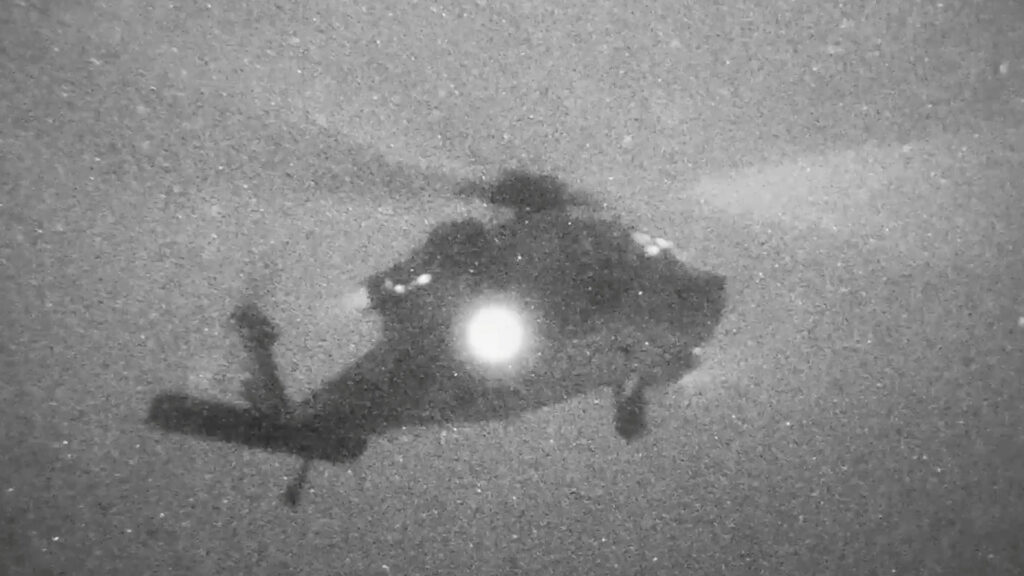
The United States recently captured an Iranian-flagged vessel near the strategic Strait of Hormuz, a key chokepoint for global oil shipments. The incident was highlighted by U.S. officials with the release of a video showing the vessel being intercepted. According to statements from the U.S. government and former President Donald Trump, the Iranian vessel attempted to breach a U.S.-imposed blockade in the region.
The Strait of Hormuz is a narrow passage that connects the Persian Gulf to the Arabian Sea, through which approximately 20% of the world’s petroleum passes. Due to its strategic importance, it has been a hotspot for geopolitical tensions, especially between Iran and the United States.
The U.S. claims that the Iranian ship’s actions were provocative and violated maritime laws designed to ensure safe passage and regional security. This capture underscores the ongoing hostilities and mistrust between Iran and the U.S., especially as both nations vie for influence in the Middle East.
The released video footage serves as a documentation of the U.S. maritime enforcement’s actions, aiming to deter further attempts by Iranian vessels to challenge the blockade. It also signals Washington’s commitment to maintaining control over this critical maritime corridor.
Critics of the blockade have argued that such measures exacerbate regional tensions and risk escalating conflicts that could disrupt global oil supplies. Iran, in response, condemns these actions as illegal and a violation of their sovereignty.
This event is part of a broader pattern of confrontations between the U.S. and Iran near the Strait of Hormuz, which have included seizures, naval stand-offs, and accusations of hostile behavior from both sides. Analysts warn that continued clashes in the area could lead to greater instability in the already volatile Middle East region.
International response has been mixed, with some countries urging restraint and dialogue, while others emphasize the importance of securing free navigation in international waters.
The capture of the Iranian vessel near Hormuz highlights the delicate balance of power in the region and the ongoing struggle for control over critical maritime routes. As global energy demands continue, the Strait of Hormuz remains a focal point of international security concerns.
In conclusion, this incident represents the latest escalation in the complex relationship between the U.S. and Iran, which involves competing geopolitical interests, security concerns, and the broader implications for regional and global stability.