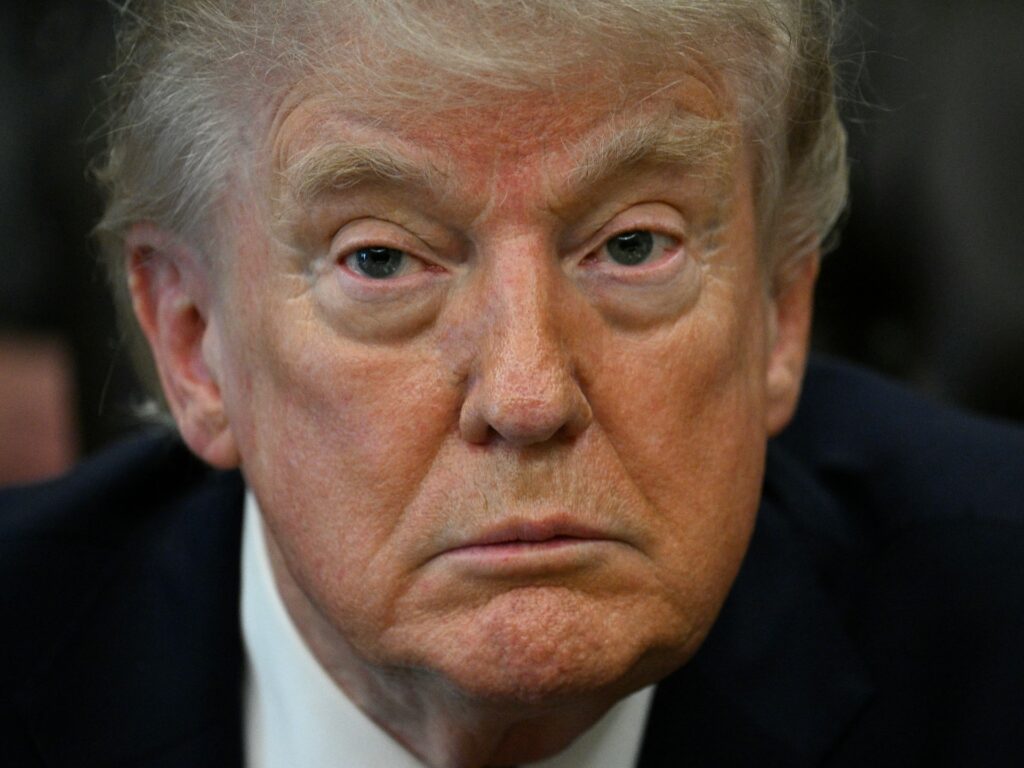
In a significant development reflecting ongoing efforts to stabilize the volatile Middle East region, former US President Donald Trump has announced that American negotiators will be traveling to Pakistan to engage in ceasefire talks concerning the conflict involving Iran. This announcement comes despite Trump’s recent accusations against Iran, alleging that Tehran has violated an existing truce agreement.
The statement was made during a press briefing where Trump outlined the US’s strategic approach to ease tensions and promote diplomatic dialogue. The decision to hold talks in Islamabad, Pakistan, marks an important diplomatic outreach, signaling an attempt to involve regional stakeholders in facilitating peace.
Trump warned Iran of severe repercussions should it continue to breach the terms of the ceasefire. He emphasized the United States’ commitment to ensuring that adherence to the truce is maintained and that any violations will be met with strong responses. This stance reflects the complex balance the US aims to achieve between applying pressure on Tehran and opening channels for negotiation.
The envoy’s visit to Pakistan is viewed as a critical step in garnering regional support and establishing a platform for dialogue. Pakistan’s geostrategic location and diplomatic relations with Iran position it as a potentially effective mediator. Islamabad has welcomed the initiative, emphasizing its commitment to supporting peaceful resolutions and stability in the region.
This diplomatic move occurs against a backdrop of heightened tensions in the Middle East, where conflicts involving Iran have led to widespread concern over security and economic repercussions, particularly involving energy supplies and regional alliances. The US and its allies have been actively seeking measures to prevent escalation, with ceasefire negotiations being a primary focus.
The US delegation’s talks in Pakistan will likely cover key issues such as withdrawal of hostile forces, monitoring mechanisms for ceasefire adherence, and frameworks for long-term peace initiatives. Experts suggest that success in these discussions could pave the way for broader negotiations involving other regional and international stakeholders.
Critics have noted the paradoxical nature of the US’s approach: pursuing dialogue while simultaneously issuing stern warnings. However, supporters argue that this dual strategy is necessary to maintain diplomatic leverage while keeping open windows for peace.
Observers anticipate that the outcome of these talks could significantly influence the geopolitical landscape of the Middle East, possibly leading to reduced hostilities and better cooperation between conflicting parties. The international community closely watches these developments, hoping for constructive engagement that might finally bring lasting peace to the area.
In summary, Trump’s announcement signals a multifaceted diplomatic effort by the US to address the Iran-related conflict through negotiation in Pakistan, despite ongoing accusations against Tehran. This initiative exemplifies the complexities of international diplomacy where dialogue and deterrence often coexist in pursuit of stability and peace.