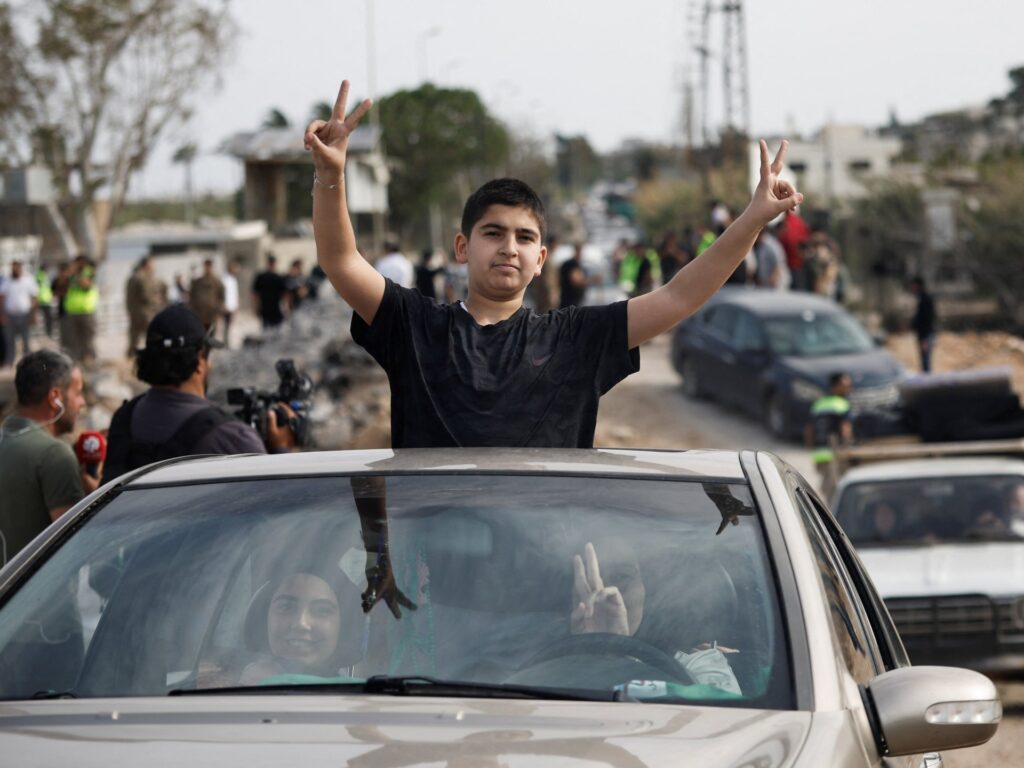
In a troubling escalation of violence in southern Lebanon, displaced Lebanese residents have started returning to their homes as the Israeli military resumed shelling despite an existing ceasefire agreement. This violation of the ceasefire has raised concerns about the fragile stability in the region and the potential for further conflict.
Al Jazeera correspondents on the ground in southern Lebanon report that alongside the shelling, Israeli forces are continuing with bulldozing operations, demolishing homes and causing significant displacement and hardship for local residents. The ongoing demolitions have added to the trauma faced by civilians who were already uprooted by previous clashes.
The ceasefire, which was intended to halt hostilities following a period of intense conflict, appears to be under severe strain. The renewed shelling has prompted fears of a return to widespread violence, undermining efforts by international mediators to restore peace and stability.
Local Lebanese communities are expressing outrage and concern over the repeated breaches of the ceasefire. Many displaced families who had begun returning home in hope of rebuilding their lives are now facing renewed threats to their safety and security.
The home demolitions carried out by Israeli bulldozers have been criticized by human rights organizations, condemning the acts as violations of international law that exacerbate the humanitarian crisis in the area. Aid agencies have called for immediate cessation of the demolitions to allow displaced populations to safely return and rebuild.
According to eyewitness accounts, the shelling has caused damage to civilian infrastructure, including homes, schools, and medical facilities, complicating relief efforts and putting vulnerable populations at increased risk.
The Lebanese government has issued statements condemning the Israeli actions, calling for the international community to intervene and enforce respect for the ceasefire. Diplomatic efforts are underway to address the violations and to prevent further escalation.
Meanwhile, tensions remain high as both sides accuse each other of provocations and violations. The international community continues to monitor the situation closely, urging restraint and dialogue to avoid a broader conflict.
The return of displaced Lebanese families stands as a testament to the resilience and hope of those affected by the conflict, even as the environment remains perilous. The situation underscores the urgent need for a durable peace agreement that addresses the underlying issues and prevents such episodes of violence in the future.
In the coming days, attention will focus on whether the ceasefire can be upheld and whether negotiations will lead to a sustainable resolution that prioritizes the safety and well-being of civilians in southern Lebanon. Until then, the region remains on edge, with many watching anxiously as the events unfold.