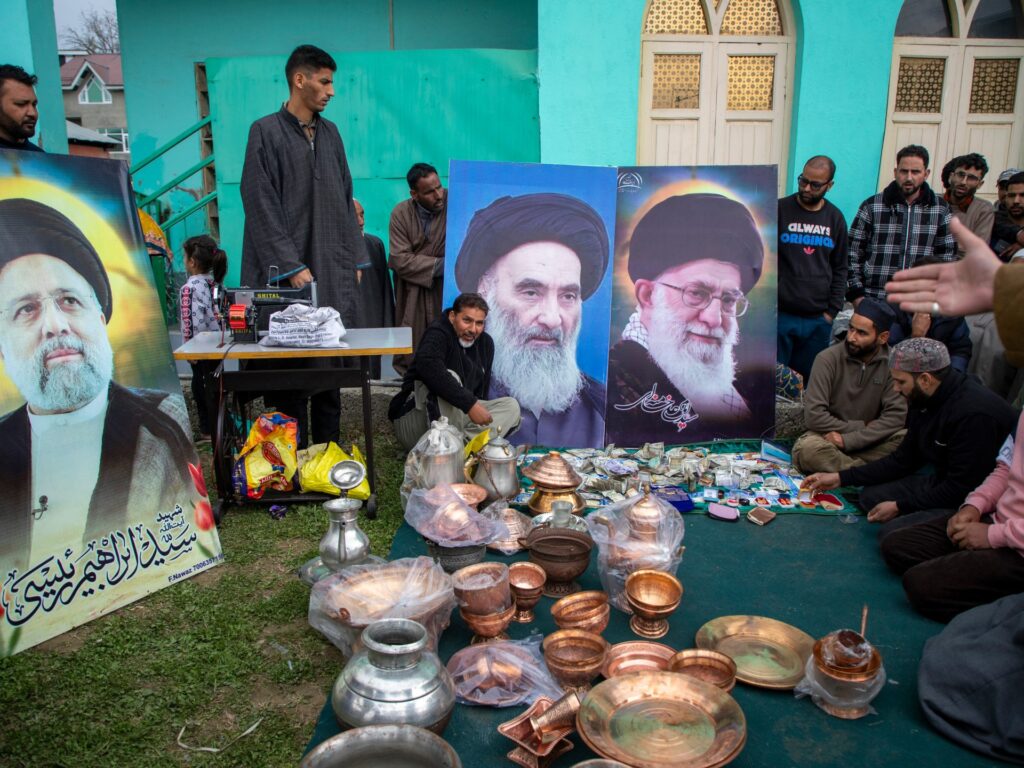
The people of Kashmir, a region known for its distinctive culture and enduring resilience, have once again demonstrated their deep humanitarian spirit by rallying support for Iran during its ongoing crisis. This wave of generosity, involving the donation of gold and the breaking of piggy banks, underscores a centuries-old bond between the two regions that is now being rekindled in the face of adversity.
Historically, Kashmir and Iran have shared not just geographical proximity but also rich cultural exchanges, religious ties, and familial relationships. Over centuries, these connections have fostered a sense of kinship and mutual respect. Today, as Iran grapples with war and its consequential hardships, Kashmiris are reaching out in solidarity.
The ongoing conflict in Iran has led to severe humanitarian challenges, affecting millions of lives. The economic strain has prompted not only international aid but also heartfelt contributions from communities far and wide. In this context, Kashmiris have shown remarkable empathy by mobilizing resources that reflect both personal sacrifice and collective urgency.
The act of donating gold is particularly significant in Kashmiri society, where gold is often a symbol of wealth, security, and affection passed down through generations. Many Kashmiris are breaking their piggy banks—their personal savings—to gather funds that could aid relief efforts in Iran. This gesture speaks volumes about their willingness to prioritize human welfare above material possessions.
Community leaders and local organizations in Kashmir have been instrumental in organizing these fundraising efforts. They have been encouraging people to contribute whatever they can, emphasizing the importance of unity and shared humanity. Through social media campaigns, local gatherings, and religious congregations, the call to support Iran has resonated deeply.
Such mobilization is not without precedent. Kashmir has historically been a region characterized by resilience and solidarity, often extending support beyond its borders. Whether during natural disasters or political upheavals in neighboring regions, Kashmiris have maintained a tradition of empathy and assistance.
The renewed historical bond between Kashmir and Iran is also reflective of broader geopolitical and cultural dynamics. Both regions share Persian influences, with linguistic, artistic, and religious ties that have endured through centuries. This shared heritage enhances the emotional connection and fuels the desire to act during times of crisis.
Moreover, the willingness to contribute gold—a precious and tangible asset—demonstrates a profound commitment rather than symbolic support. In many households, this act entails significant personal sacrifice, showing the depth of concern and solidarity felt by Kashmiris.
The donations gathered are being channeled through various humanitarian organizations that coordinate aid delivery to Iran. These efforts are aimed at providing essential supplies such as food, medicine, and shelter to those affected by the conflict. The Kashmiri contributions complement broader international aid, highlighting the global desire to alleviate suffering.
Crucially, this movement of generosity has also fostered a sense of empowerment within Kashmir. It reaffirms the community’s agency in global humanitarian issues and strengthens social cohesion as individuals unite for a common cause.
In summary, the recent mobilization of Kashmiris donating gold and breaking piggy banks for Iran is a powerful testament to enduring historical ties and shared empathy. It reveals how cultural heritage and humanitarian values can transcend borders, inspiring communities to act compassionately in the face of suffering. This all-encompassing solidarity not only aids those in need but also enriches the spirit of both Kashmir and Iran, reinforcing an ancient bond renewed through acts of kindness and generosity.