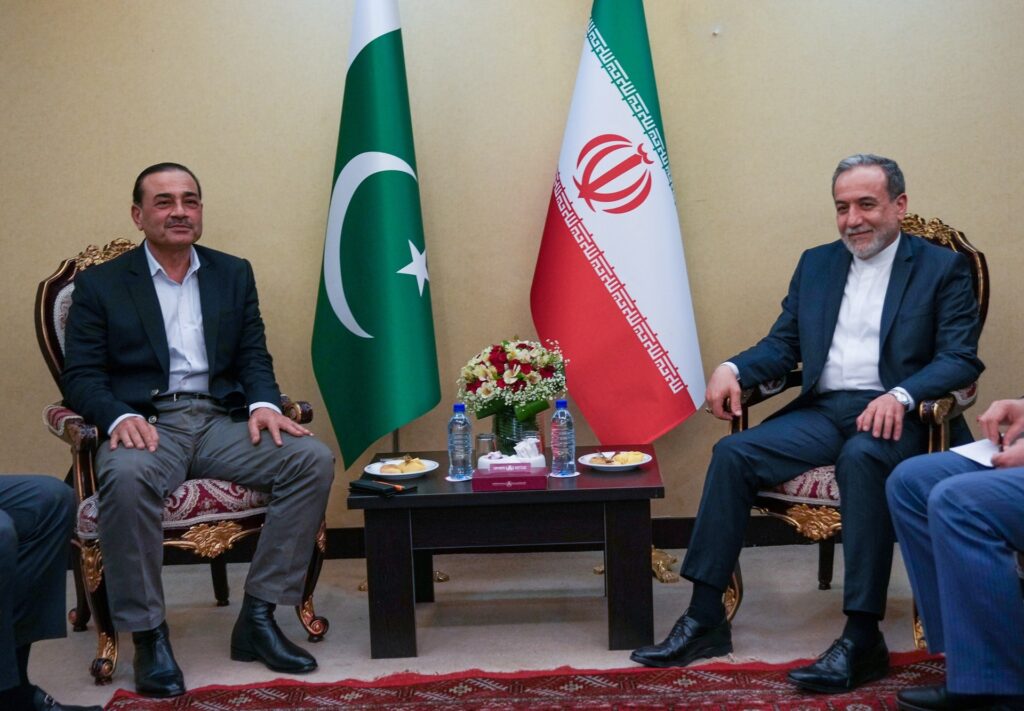
In recent weeks, diplomatic momentum has surged towards a potential resolution in the longstanding standoff over Iran’s nuclear program. Central to this development is Pakistan’s emerging role as a key mediator between the United States and Iran. Pakistani sources have revealed what they describe as a ‘major breakthrough’ in ongoing negotiations, raising hopes that a comprehensive deal might soon be within reach.
The complex diplomatic efforts revolve around curbing Iran’s nuclear capabilities while addressing the concerns of all involved international stakeholders. The United States has long sought assurances that Iran’s nuclear program remains exclusively peaceful, while Iran has pushed for the lifting of economic sanctions that have severely impacted its economy.
Pakistan, leveraging its unique geopolitical position and longstanding relations with Iran and close ties with the US, has stepped in as a neutral intermediary. Pakistani officials have been engaged in discreet shuttle diplomacy, facilitating dialogue and bridging gaps that previous efforts have struggled to close.
According to insiders, this ‘major breakthrough’ pertains to preliminary agreements on key points, including Iran’s uranium enrichment levels, verification mechanisms, and timelines for sanction relief. These elements are critical as they form the framework within which a durable and enforceable agreement can be established.
The breakthrough is reported to have emerged following a series of high-level meetings and renewed diplomatic contacts involving Pakistani envoys, US officials, and Iranian representatives. The Pakistani government’s commitment to peace and regional stability underscores their active role in these sensitive negotiations.
This development is significant against the backdrop of years of stalled negotiations and escalating tensions that have periodically threatened regional security. With a renewed sense of optimism, stakeholders hope this progress will lead to the resumption of formal talks and, ultimately, a signed agreement.
International observers have welcomed Pakistan’s mediation efforts, viewing them as a constructive step towards de-escalating a potentially volatile situation. The mediation underscores Pakistan’s growing diplomatic stature and its capability to influence critical geopolitical issues beyond its immediate neighborhood.
Experts note that while challenges remain, including mutual trust deficits and verification complexities, the breakthrough is a promising sign that common ground can be found through persistent engagement and effective mediation.
As negotiations continue, the global community watches closely, hopeful that these efforts will culminate in a peaceful resolution that enhances regional stability, ensures non-proliferation, and fosters better US-Iran relations.
In summary, Pakistan’s mediation has injected fresh hope into the prospects of resolving the US-Iran nuclear impasse. The reported major breakthrough marks a pivotal moment that could reshape diplomatic dynamics and set a precedent for peaceful conflict resolution in the region.