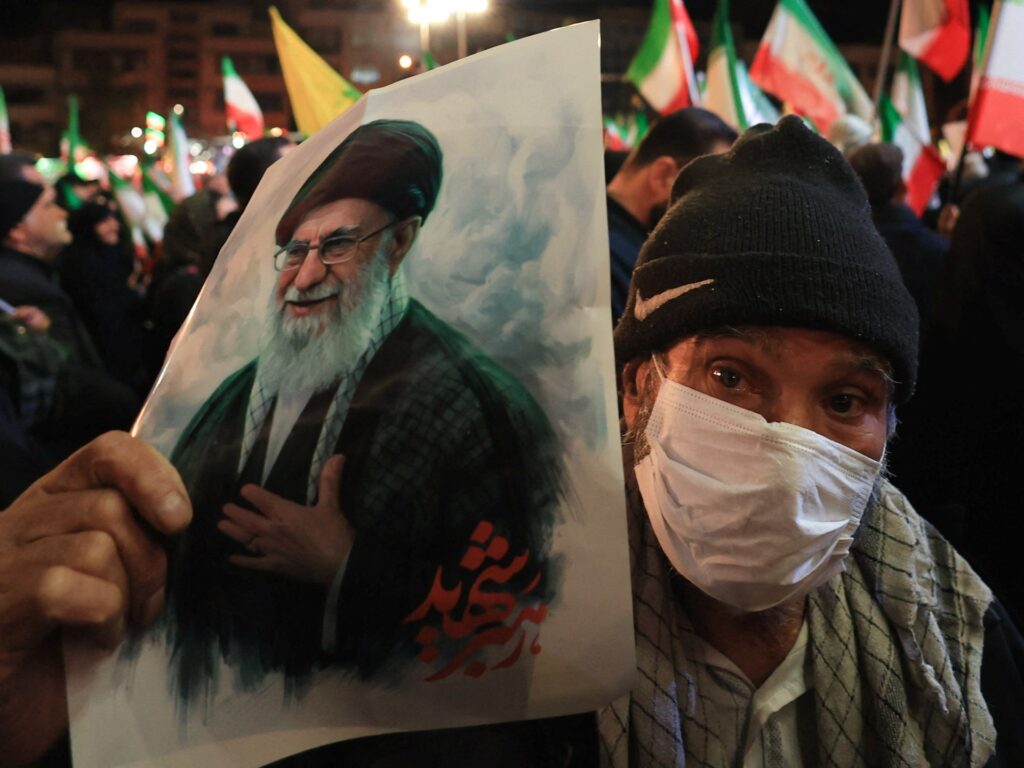
As the US-Iran conflict enters its 48th day, there has been a noticeable shift towards diplomatic engagement, with a new sense of optimism surrounding the potential for renewed talks. Pakistan has stepped in as a mediator, playing a critical role in facilitating discussions between the two nations. These developments come after weeks of heightened tension and intermittent hostilities, which have drawn global concern over the stability and security of the region.
The current conflict, marked by a series of confrontations, sanctions, and strategic posturing, has impacted international relations and regional peace. However, recent dialogues indicate both sides are exploring pathways to de-escalate the situation. The mediation efforts by Pakistan are particularly significant, given its historical role as a regional actor capable of bridging gaps between conflicting parties.
Diplomatic sources reveal that Pakistan has hosted preliminary rounds of discussions, focusing on confidence-building measures and laying the groundwork for a comprehensive negotiation framework. The upcoming round of talks, expected to take place in Islamabad, is being met with cautious optimism. Observers highlight that such diplomatic engagements are essential for preventing further escalation and fostering long-term solutions.
Iran has reportedly expressed willingness to engage in constructive dialogue, contingent on the easing of certain sanctions and respect for its sovereignty. Meanwhile, the United States maintains its stance on ensuring Iran’s compliance with international norms, particularly regarding its nuclear program and regional activities. The interplay of these factors shapes the complexity of the negotiation process.
International reactions to the mediation efforts have been largely positive, with many calling for sustained dialogue and restraint from all parties involved. Analysts note that the successful continuation of talks could set a precedent for peaceful conflict resolution in the region, potentially opening doors for broader cooperation on security and economic issues.
As the conflict persists, humanitarian concerns have also come to the fore, with calls for increased aid and support for affected populations. The international community is closely monitoring the situation, emphasizing the importance of maintaining open channels for communication and diplomacy.
In summary, day 48 of the US-Iran conflict represents a crucial juncture where diplomatic momentum, facilitated by Pakistan’s mediation, brings hope for a new round of talks in Islamabad. While challenges remain, the ongoing efforts signify a potential shift from confrontation to negotiation, aiming to restore peace and stability in a region fraught with tension.