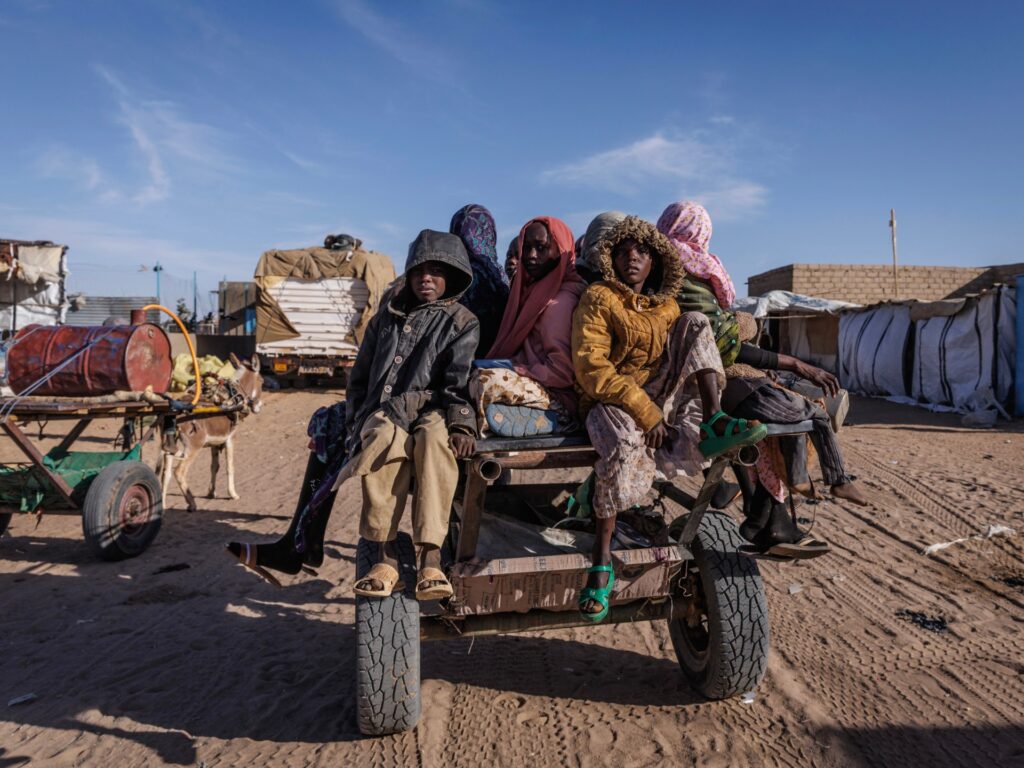
As the devastating war in Sudan enters its fourth year, the international community has pledged $1.5 billion in aid to alleviate the humanitarian crisis unfolding in the region. The ongoing conflict has displaced millions and severely impacted the lives of civilians across Sudan, prompting urgent calls for peace and increased support from global leaders.
The United Nations Secretary-General has voiced a strong appeal for an end to what he described as a “nightmare” of war, emphasizing the need for immediate ceasefire and constructive dialogue among conflicting parties. The protracted conflict has battered infrastructure, disrupted food supplies, and created a dire need for medical and humanitarian assistance.
Despite international efforts to organize peace talks, the Sudanese government has rejected proposals for a global conference aimed at resolving the crisis. Officials in Khartoum dismissed the initiative as a “colonial tutelage approach,” viewing it as an infringement on Sudan’s sovereignty.
The conflict, which erupted due to longstanding political and ethnic tensions, has spiraled into a multifaceted war involving various armed factions vying for control. This has led to widespread violence, loss of life, and a deepening humanitarian disaster.
The $1.5 billion pledge is aimed at supporting a broad range of relief efforts including food security, healthcare, shelter, and protection for displaced populations. Aid agencies have stressed that sustained and increased funding is crucial to prevent further deterioration of living conditions and to support the millions struggling amidst the crisis.
The UN chief’s call underscores the urgency for all parties to prioritize peace, in order to stem the suffering of the Sudanese people and pave the way for long-term stability. The international community continues to advocate for inclusive talks and increased cooperation to bring an end to this devastating conflict.
As the situation evolves, humanitarian organizations are mobilizing resources to reach affected communities, hoping to mitigate the war’s harsh impact. Meanwhile, diplomatic efforts persist despite setbacks, aiming to uphold the sovereignty of Sudan while fostering a collaborative path toward peace and reconstruction.
The pledge marks a significant demonstration of international solidarity, reflecting growing concern over Sudan’s future and the broader implications for regional security in Africa.