On day 47 of the ongoing US-Iran conflict, significant developments continue to shape the geopolitical landscape. The conflict, which has seen mounting tensions and confrontations, remains a focal point of international concern. As the situation unfolds, key highlights provide insight into the current state and potential future directions.
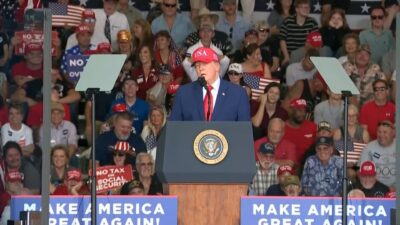
US President Donald Trump has recently indicated the possibility of a second round of talks with Iran, signaling a potential diplomatic thaw amid ongoing hostilities. This comes after weeks of heightened rhetoric and military posturing between the two nations, which have escalated fears of a broader regional conflict.
The initial round of talks, held under tense and complex circumstances, aimed to address core issues including Iran’s nuclear program, regional influence, and sanctions regime. While no formal agreement was reached, the dialogue opened channels that allow for further negotiation efforts. President Trump’s statement suggests a willingness to engage diplomatically, possibly responding to internal and international calls for de-escalation.
On the ground, the conflict has been marked by a series of military and strategic maneuvers. Both sides have conducted missile strikes and targeted operations, impacting military installations and economic assets. Civilian populations in the affected regions continue to face significant hardships due to displacement, economic instability, and security threats.
International reactions remain varied, with some countries advocating for renewed diplomacy while others bolster sanctions or military alliances. The United Nations and various international organizations have urged restraint and a return to dialogue to prevent further escalation.
Analysts note that the possibility of resumed talks could influence the strategic calculations of both the US and Iran. Potential talks would likely address not only immediate security concerns but also broader issues such as economic sanctions, nuclear proliferation, and regional power dynamics.
Despite these diplomatic signals, challenges remain. Trust deficits between the two nations, internal political pressures, and regional dynamics complicate the negotiation landscape. The global community watches closely, hopeful for a resolution but prepared for continued uncertainty.
In summary, day 47 of the US-Iran conflict is marked by a cautious blend of confrontation and diplomatic outreach. President Trump’s indication of possible new talks presents an opportunity for de-escalation and dialogue, yet the path forward remains complex and fraught with challenges. The unfolding events will be critical in shaping the near future of US-Iran relations and regional stability.