Arab Barghouti, son of prominent Palestinian leader Marwan Barghouti, has issued a powerful call for human rights organizations to increase their advocacy and intervention efforts on behalf of Palestinian prisoners held in Israeli jails. His statement shines a light on the ongoing plight of thousands of Palestinians incarcerated under various charges by Israeli authorities, many of whom face harsh treatment and alleged rights abuses.
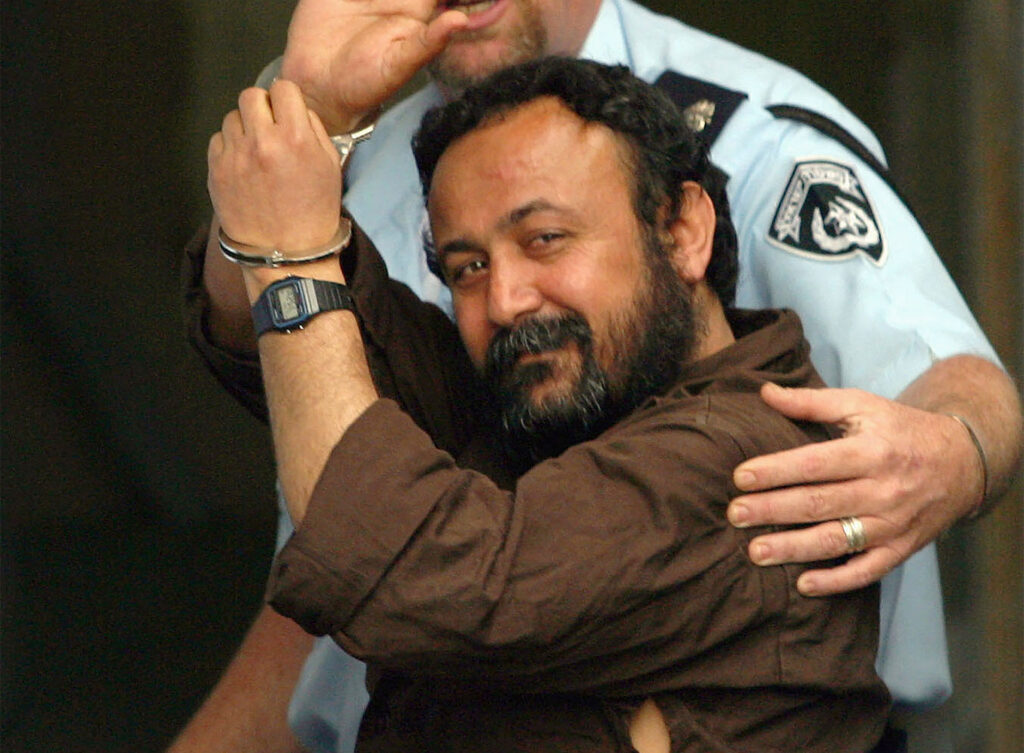
Marwan Barghouti, a key figure in Palestinian politics, has himself been imprisoned for years, becoming a symbol of Palestinian resistance and the struggle for detainees’ rights. His son Arab Barghouti’s appeal underscores the family’s continued commitment to drawing international attention to the conditions and treatment of Palestinian prisoners.
According to various human rights reports, Palestinian detainees in Israeli prisons often face administrative detention without charges, limited access to legal representation, and hardships such as solitary confinement and insufficient medical care. These practices have been widely criticized but continue without substantial change.
Arab Barghouti urged rights groups to go beyond mere statements and to adopt vigorous campaigns that could pressure Israeli authorities to halt abuses and improve detention conditions. He emphasized the need for global solidarity movements, legal interventions at international courts, and increased media exposure to the situation faced by Palestinian prisoners.
The role of international human rights NGOs and the United Nations was specifically highlighted, with Arab Barghouti calling for increased monitoring and reporting to hold violators accountable. He also stressed the importance of political advocacy to bring prisoner rights into peace negotiations and humanitarian discussions.
The challenge extended by Arab Barghouti resonates with wider regional and international concerns regarding the treatment of Palestinians in occupied territories. Over the years, human rights entities have documented cases of mistreatment, raising alarms about the impact of incarceration on prisoners’ mental and physical health and the families they leave behind.
This public statement comes at a time when tensions in the region remain high, and the issue of Palestinian prisoners is prominent in discussions of justice and human rights. Arab Barghouti’s appeal serves as a rallying cry for intensified global efforts to protect prisoners’ dignity and to seek accountability for abuses.
In summary, Arab Barghouti is urging human rights organizations to elevate their commitment and operational activity to protect Palestinian prisoners. He is calling for actionable steps rather than silent observation, stressing that real change requires collective international responsibility and determined activism. Without this, many Palestinian prisoners may continue to suffer under conditions that violate their fundamental human rights.