Lebanon is witnessing a surge of anger and tension following a series of deadly strikes by Israel, which have occurred despite ongoing diplomatic efforts aimed at de-escalating regional conflicts. The recent military actions have sparked outrage among Lebanese political figures and civilians alike, compounding an already fragile situation in the country.
Hezbollah lawmaker Hassan Fadlallah has voiced his strong condemnation of the Israeli strikes, labeling any form of negotiation with Israel as fundamentally wrong. Fadlallah’s remarks resonate deeply within Lebanon, a country that continues to grapple with internal political divisions and the complex dynamics of its relationship with Israel.
Fadlallah warned that negotiating with what he referred to as ‘the enemy’ jeopardizes Lebanon’s unity and risks further internal division. His statements highlight the broader political dilemma faced by Lebanon’s leadership, caught between pursuing diplomatic engagement and responding to military escalations.
The deadly strikes by Israel come at a time when diplomatic channels were actively engaged in discussions to reduce tensions in the region. These developments have raised questions about the efficacy of diplomatic efforts and whether such actions undermine initiatives that aim to foster peace and stability.
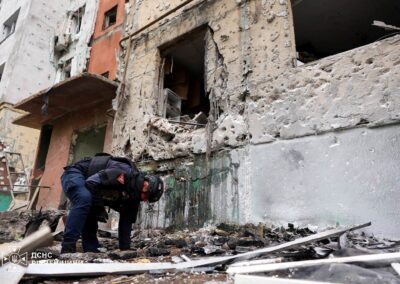
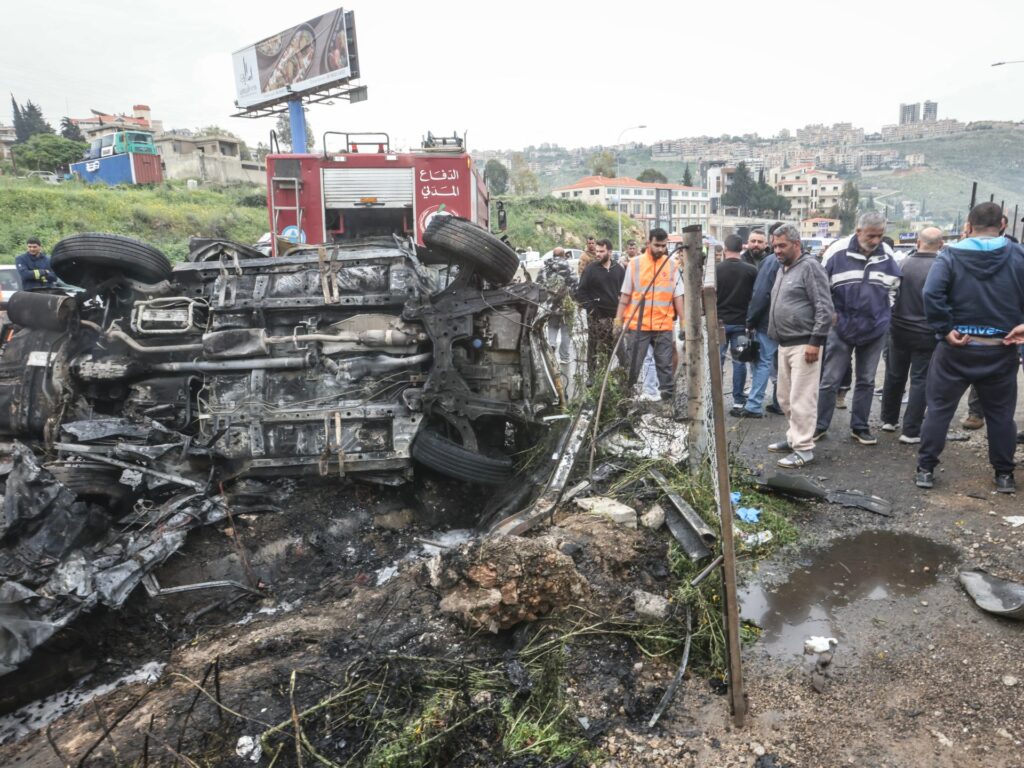
Lebanese citizens have expressed their frustration and fear over the possibility of a wider conflict erupting. The strikes have resulted in casualties and destruction, exacerbating humanitarian concerns in a country already struggling with economic and social challenges.
International observers have called for restraint from all parties, urging renewed commitment to dialogue and peaceful resolution of conflicts. The situation remains highly volatile, with the potential to further destabilize Lebanon and the broader Middle East region.
The reaction from Hezbollah and other political groups illustrates the deep divisions within Lebanese society regarding how to handle relations with Israel. While some advocate for diplomatic engagement, others view any form of negotiation as betrayal.
This incident serves as a stark reminder of the continuing volatility in the region and the delicate balance that must be maintained to avoid further violence. The international community continues to monitor the situation closely, emphasizing the importance of constructive dialogue and the avoidance of actions that could escalate tensions.
Overall, the deadly strikes by Israel amid ongoing diplomatic efforts have intensified anger in Lebanon, spotlighting the persistent challenges faced in achieving peace and unity in a region marked by longstanding conflicts and political complexities.