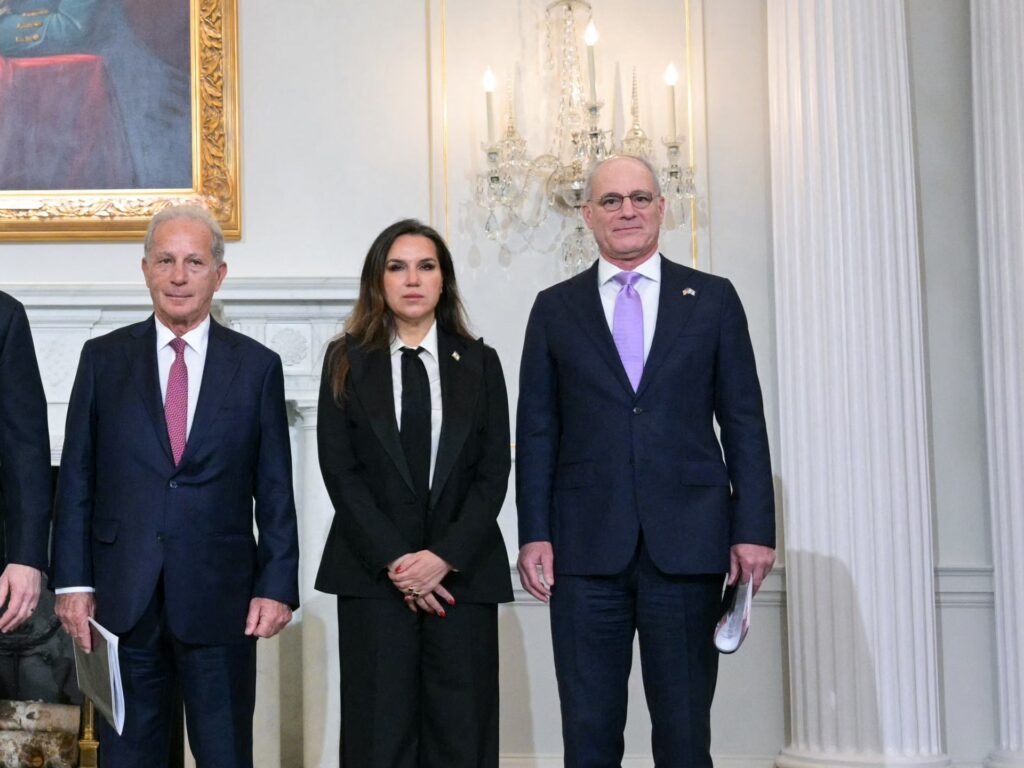
In a significant diplomatic development, the Lebanese and Israeli ambassadors to the United States have commenced direct talks, marking the first such engagement between the two nations in decades. This unprecedented dialogue represents a potential thaw in relations amid a long-standing history of tension and conflict.
The meetings are taking place on American soil, underscoring the United States’ role as a facilitator in regional peace efforts. Both ambassadors arrived with cautious optimism, signaling a mutual willingness to explore avenues for dialogue and possibly reconciliation.
Historically, Lebanon and Israel have been adversaries, with numerous conflicts and a lack of formal diplomatic relations. The last direct communications were either indirect or conducted through intermediaries, making this face-to-face interaction a milestone.
The talks aim to address a range of issues including border disputes, security concerns, and political differences that have fueled decades of mistrust. The international community has welcomed these initial conversations, hoping they might lead to further negotiations and eventual peace.
Experts note that while the challenges remain substantial, such direct diplomatic engagements are crucial first steps. They open channels for communication that could prevent misunderstandings and promote cooperation on shared interests such as economic development and regional stability.
Both countries are expected to continue these talks with support from U.S. diplomatic channels, which have been actively encouraging peaceful resolutions in the Middle East. The broader impact of these developments could influence other regional conflicts and set a precedent for dialogue-based conflict resolution.
As this story unfolds, stakeholders around the world are closely monitoring the progress of these discussions, reflecting on the potential this historic meeting holds for a future marked by reduced hostilities and greater collaboration between Lebanon and Israel.