The escalating conflict in the Middle East continues to dominate global headlines as the war involving Iran shows signs of potential de-escalation. US President Donald Trump has declared that the war is ‘close to over,’ offering a glimmer of hope amid the ongoing turmoil. His announcement came amidst reports of a renewed round of diplomatic talks possibly to be held in Pakistan, aimed at facilitating dialogue between the involved parties.
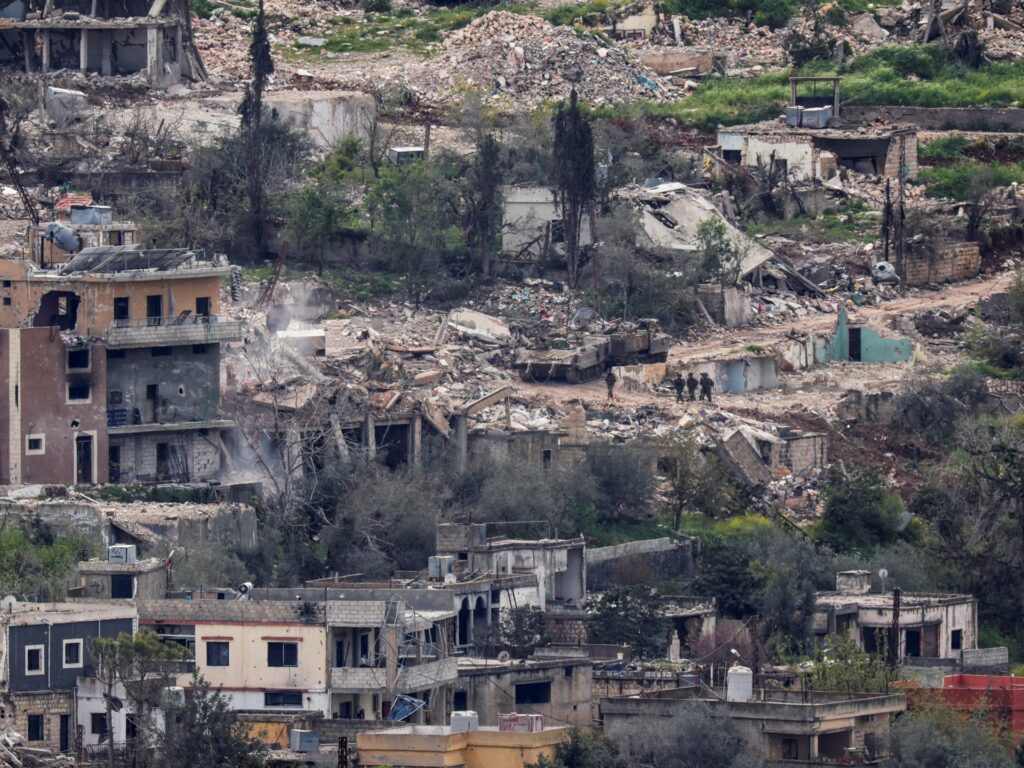
The situation remains tense as Israel intensifies its military operations by launching strikes against Lebanon, a development that adds complexity to the already volatile region. The conflict has drawn widespread international attention due to its far-reaching implications for regional security and global geopolitics.
President Trump highlighted that the second round of talks could provide a platform for negotiating an end to the hostilities. These talks are significant because they suggest a willingness among key players to explore diplomatic solutions despite the ongoing blockade of Iranian ports, which continues to be a contentious issue fueling the conflict.
The blockade, primarily orchestrated by the United States and its allies, aims to restrict Iran’s access to international trade routes. This measure is intended to pressure the Iranian government economically and politically, but it has also contributed to heightened regional tensions.
Meanwhile, Israel’s military campaign in Lebanon underscores the complexity of the conflict, involving multiple actors and interests across the Middle East. Lebanese territory has often been a battleground for proxy wars and militant groups aligned with Iran, making it a focal point for Israeli security concerns.
The international community remains watchful as the potential for broader escalation persists, especially considering the strategic alliances and rivalries in the region. The dialogue facilitated by Pakistan could be a critical step towards achieving a ceasefire or at least reducing hostilities.
Analysts suggest that a successful negotiation would require addressing core issues such as Iran’s nuclear ambitions, the security concerns of Israel and its neighbors, and the lifting or easing of economic sanctions and blockades.
The war’s prolongation has caused significant humanitarian challenges, displacement, and economic hardships for the populations caught in the crossfire. International aid organizations have called for urgent measures to alleviate the suffering caused by the conflict.
As the world watches closely, the statements from President Trump and the unfolding diplomatic efforts offer cautious optimism. The hope is that these developments may pave the way for a lasting resolution, reducing the risk of further violence in one of the world’s most fragile regions.
For now, the situation remains fluid, with military activities and diplomatic negotiations occurring simultaneously. The coming days and weeks will be critical in determining the trajectory of this conflict and its impact on global peace and security.