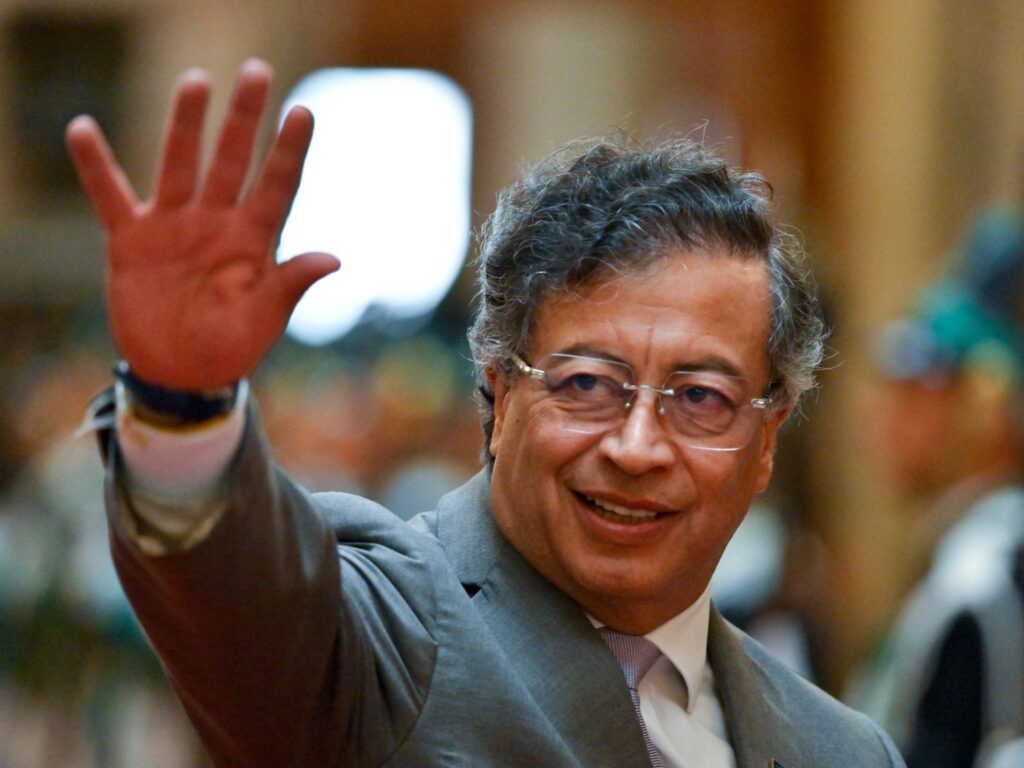
Colombian President Gustavo Petro has achieved historic milestones in intercepting illicit cocaine shipments, marking a significant stride in the nation’s battle against drug trafficking. These unprecedented cocaine seizures highlight the Colombian government’s intensified efforts to curtail the drug trade that has long plagued the country and attracted international concern, particularly from the United States.
During Petro’s administration, authorities have confiscated record-breaking quantities of cocaine, signaling an enhanced capability and commitment to disrupting the operations of narcotics traffickers. These actions resonate with Petro’s broader strategy to address drug-related violence and promote social and economic reforms aimed at offering alternatives to communities involved in drug cultivation.
Despite these historic seizures, questions linger about whether such efforts will sufficiently alleviate pressure from the United States, a key ally and critic of Colombia’s drug policies. The US has consistently urged Colombia to deepen its eradication and interdiction measures, emphasizing the role of cocaine in fueling addiction crises and violence both domestically and abroad.
Petro’s government argues that while interdiction remains vital, it must be complemented by comprehensive social programs and peacebuilding initiatives. This approach frames drug trafficking not only as a criminal issue but also as a socio-economic challenge rooted in inequality and conflict.
Analysts suggest that the success of Colombia’s anti-drug policies will depend on balancing robust law enforcement with sustainable development strategies. International cooperation, particularly with the US, remains crucial for providing resources and political support.
The historic cocaine seizures are a testament to Colombia’s enhanced operational capacity and political will under Petro’s leadership. However, the question remains whether these measures alone are enough to satisfy international demands and bring lasting peace and stability to the affected regions.
Moving forward, Colombia faces the delicate task of navigating domestic expectations and international pressures while crafting innovative solutions to the multifaceted challenges of drug trafficking and its consequences. As President Petro continues to defend his administration’s achievements, the world watches closely to see if these historic interventions mark the beginning of a new chapter in Colombia’s enduring struggle against illicit drugs.