Pakistan finds itself at a critical crossroads as it contemplates managing its dual roles: acting as a mediator between the United States and Iran, while simultaneously honoring defence commitments with Saudi Arabia. Pakistani officials and several analysts express confidence that the country can balance these complex responsibilities, but they acknowledge that this diplomatic and strategic juggling act will be anything but straightforward.
Historically, Pakistan has maintained a careful diplomatic balance in the Persian Gulf region, leveraging its strategic relationships with various countries. This balancing approach is now being put to the test with the escalating tensions between the US and Iran, alongside Pakistan’s longstanding ties with Saudi Arabia.
The US and Iran have been embroiled in heightened conflict for years, with diplomatic efforts often stalling. Pakistan’s potential role as a mediator is seen as an opportunity to revitalize dialogue and ease regional tensions. Such mediation would require Pakistan to act impartially and facilitate communication channels that might have otherwise been closed.
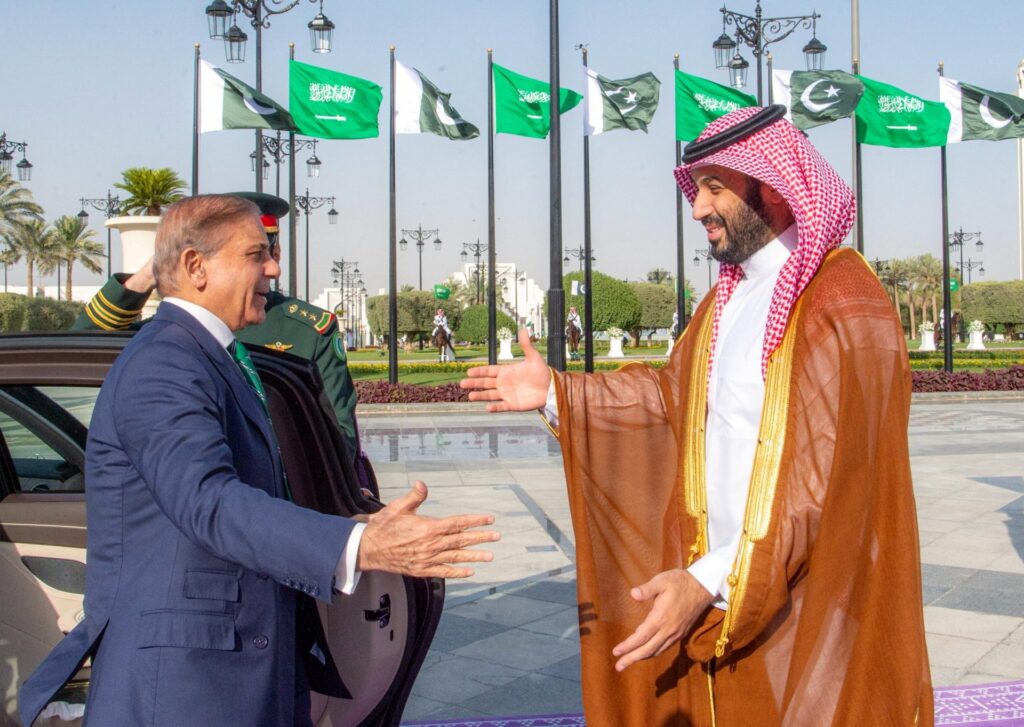
On the other hand, Pakistan’s defence commitments to Saudi Arabia are entrenched and involve cooperation on military training, intelligence sharing, and potentially strategic operations. Saudi Arabia views Pakistan as a key ally in maintaining its security apparatus amid regional instability, especially with Iran’s assertive posture.
Officials from Pakistan believe that the country’s balanced foreign policy, historical ties across the region, and diplomatic expertise equip it to undertake this dual responsibility effectively. Analyst Imran Sheikh notes, “Pakistan’s unique position allows it to engage with both sides without overt bias, which is critical in such a volatile environment.”
However, this balancing act carries inherent risks. Aligning too closely with Saudi Arabia could undermine Pakistan’s perceived neutrality in the US-Iran mediation, potentially limiting its effectiveness. Conversely, leaning too far towards mediation could jeopardize crucial defence support and economic assistance from Saudi Arabia.
Moreover, Pakistan must navigate its relationships with broader regional players, including China and the Gulf Cooperation Council states, whose interests also intersect with the US-Iran dynamic. Managing these multiple layers of diplomatic relationships adds complexity to Pakistan’s strategic calculations.
Economic considerations further complicate matters. Pakistan benefits significantly from remittances and investments from the Gulf region, especially Saudi Arabia. Maintaining trust and cooperation is vital to sustaining these economic lifelines amid any political maneuvering.
Security experts argue that Pakistan’s success will depend on its diplomatic finesse, transparent communication with all parties involved, and its ability to present itself as a trusted, neutral actor.
In summary, Pakistan’s endeavor to simultaneously mediate between the US and Iran while upholding defence commitments to Saudi Arabia reflects its aspirations to play a pivotal role in regional geopolitics. While Pakistani officials and analysts are optimistic about managing these responsibilities, the path ahead demands careful, nuanced diplomacy to avoid alienating any key allies. The coming months will be critical in assessing whether Pakistan can maintain this delicate equilibrium without compromising its national interests or regional stability.