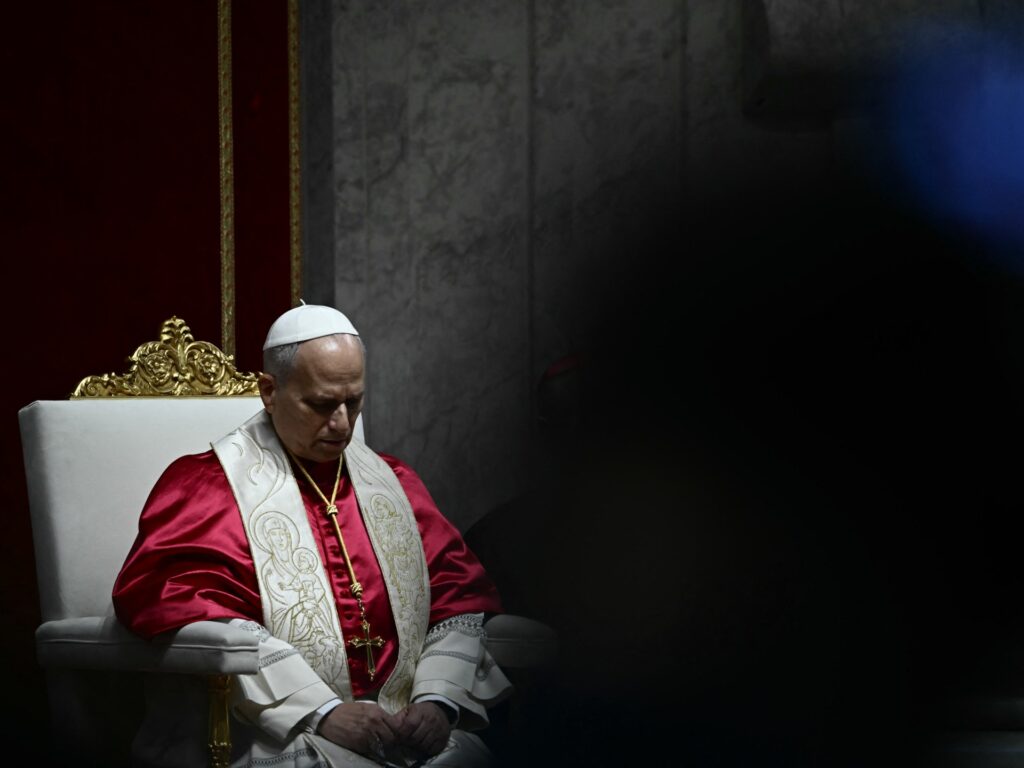
In a recent development within the complex geopolitical landscape involving the United States, Israel, and Iran, former President Donald Trump has openly criticized Pope Leo, who notably became the first US-born pope last year. Pope Leo has taken a significant and vocal stance against the ongoing US-Israeli military actions directed towards Iran, advocating for peace and calling for an end to hostilities. Trump’s retort was succinct but sharp, deeming the Pope’s peace advocacy as “terrible for foreign policy,” highlighting a stark contrast in views on how the conflict should be managed.
This clash of perspectives comes at a highly sensitive time, as global tensions continue to escalate in the Middle East. By publicly opposing the joint actions of the US and Israel, Pope Leo has positioned himself as a moral voice calling for restraint and diplomacy over aggression. His stance has resonated with various international communities seeking peaceful resolutions rather than prolonged conflict.
Donald Trump’s condemnation, however, signals ongoing support within certain political and strategic circles for a robust and possibly more aggressive approach to counter Iran’s influence and actions in the region. Trump’s criticism reflects his broader foreign policy outlook, which often emphasizes assertiveness and strength over conciliatory measures.
The emergence of Pope Leo as an outspoken critic adds an unexpected religious and ethical dimension to the debate, complicating the international discourse around the conflict. His unique position as a US-born pope lends special weight to his statements, potentially influencing both public opinion and political leaders worldwide.
Observers note that the debate between Trump and Pope Leo encapsulates a larger divide within global policy circles regarding the balance between military intervention and diplomacy. As the situation evolves, the international community watches closely to see how these divergent voices will impact future actions and prospects for peace.
In summary, the tension between Trump and Pope Leo underscores the multifaceted nature of the US-Israeli approach toward Iran, bringing religious leadership into the spotlight as a significant player in international diplomacy. This development invites ongoing dialogue about the role of moral authority in shaping foreign policy amid one of the most critical conflicts of the current era.