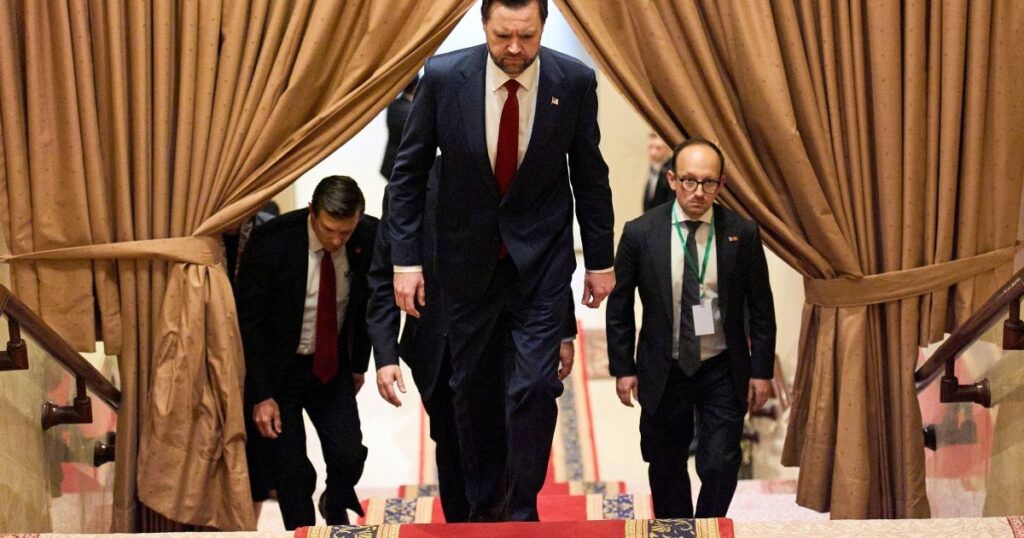
Amid ongoing conflict, the recent ceasefire between the US and Iran has provided a fragile pause, yet the underlying issues remain deeply contentious. Talks aimed at solidifying the ceasefire have revealed significant divisions, which continue to cast doubt over a lasting resolution.
The primary sticking points include disagreements over enforcement mechanisms and verification processes. Both sides harbor deep mistrust, complicating efforts to establish transparent monitoring systems. Iran demands the removal of stringent sanctions and insists on sovereign guarantees that its nuclear program will not be disrupted. Conversely, the US insists on rigorous verification to ensure compliance, emphasizing non-proliferation concerns.
Another major hurdle is the differing interpretations of the ceasefire’s scope and duration. Iran proposes a longer-term agreement encompassing broader regional security arrangements, while the US favors a limited, time-bound ceasefire focused on immediate hostilities.
Humanitarian aid access remains a contentious issue as well. Iran seeks assured corridors for aid delivery, citing economic hardships exacerbated by sanctions. The US has expressed concerns about aid diversion, linking it to broader geopolitical tensions.
Furthermore, internal political pressures in both countries further complicate the talks. Hardliners in Iran push back against perceived concessions, while US policymakers face scrutiny over engagement with Iran.
These deep-rooted divisions highlight the complexities of US-Iran relations, where decades of mistrust and conflict history contribute to prolonged uncertainty despite temporary ceasefire arrangements. Without addressing these core issues, the ceasefire’s sustainability remains uncertain, underscoring the fragile nature of current diplomatic efforts.
As talks continue, international observers emphasize the importance of dialogue and confidence-building measures. Nevertheless, the path to a comprehensive, durable peace agreement remains fraught with challenges.