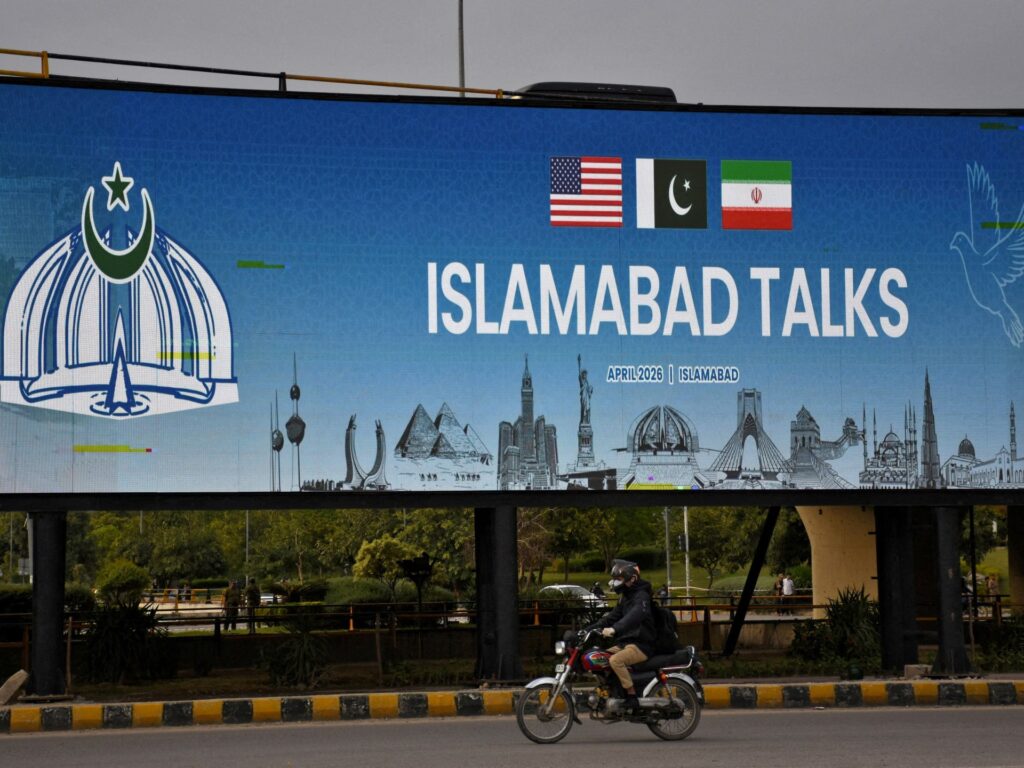
In a significant development in Middle Eastern diplomacy, trilateral ceasefire talks involving the United States, Iran, and Pakistan have officially begun in Islamabad. These talks are being led by US Vice President J. D. Vance, marking the highest level of engagement between the US and Iran since the 1979 Islamic Revolution, which drastically altered the course of US-Iran relations.
The talks signify a potential thawing of over four decades of hostility and tension, aiming to establish a ceasefire and lay foundations for more sustained peace and dialogue. The involvement of Pakistan as a neutral facilitator highlights the strategic importance of regional cooperation in addressing longstanding conflicts.
Historical Context
Since the 1979 Islamic Revolution, US-Iran relations have been marked by deep distrust, economic sanctions, and mutual accusations, largely centered around Iran’s nuclear ambitions, regional influence, and involvement in proxy conflicts. Diplomatic engagements at this level have been rare, making this trilateral meeting a beacon of hope for peace advocates.
Details of the Talks
Vice President J. D. Vance arrived in Islamabad with a delegation of key US diplomats and advisors dedicated to conflict resolution. The meetings focus on immediate issues related to ceasefire enforcement, prisoner exchanges, and mechanisms to prevent future escalations. Iran has sent a high-ranking delegation, reflecting Tehran’s serious intent to engage on these critical security issues.
Pakistan’s Role
As the host and mediator, Pakistan’s role is crucial in facilitating dialogue and ensuring that discussions proceed in a constructive manner. Pakistan maintains diplomatic relations with both countries and has historically played a balancing role in regional affairs.
Regional and Global Impact
A successful ceasefire agreement could dramatically alter the geopolitical landscape of the Middle East, reducing violence, and opening avenues for economic cooperation. The talks also signal to other nations the possibility of resolving complex conflicts through diplomacy rather than military means.
Challenges Ahead
Despite the optimism, numerous challenges remain. Mutual suspicion, domestic political pressures in both countries, and unresolved broader strategic differences could hinder progress. Furthermore, the talks might face criticism from hardliners within both Iran and the US who oppose rapprochement.
International Reactions
Global leaders and international organizations have welcomed the initiation of these talks, urging both sides to approach negotiations with goodwill and pragmatism. The United Nations and several major powers have expressed hopes that this could be the start of a sustained peace process.
What to Expect Next
Following the initial rounds of dialogue, further meetings are planned either in Islamabad or alternate neutral locations to build upon any progress achieved. Observers anticipate that humanitarian issues, trade, and security cooperation could later become part of a broader discussion.
Conclusion
The commencement of trilateral US-Iran ceasefire talks in Pakistan represents a historic and hopeful step towards ending decades of hostility. While uncertainties remain, the willingness of both nations to engage at this level signals the potential for a new chapter in international relations, fostering peace and stability in one of the world’s most volatile regions.