As the world watches closely, fresh tensions have surfaced prior to the scheduled ceasefire talks between the United States and Iran, set to take place in Pakistan. These discussions aim to halt the ongoing conflict and pave the way for peace in the volatile region. However, recent statements from Iranian officials suggest that the conditions necessary for the onset of negotiations have yet to be fulfilled. An Iranian government representative voiced concerns, stating that the prerequisites for initiating talks remain unmet, casting doubt on the immediate commencement of the diplomatic dialogue.
Concurrently, the international community has been alarmed by renewed threats from former U.S. President Donald Trump, who has reiterated his stance on potentially launching further attacks against Iran. This declaration has added a layer of complexity to the already delicate negotiations, with fears that such rhetoric could undermine efforts to achieve a peaceful resolution.
The tense situation highlights the fragile dynamics between the two nations, who have experienced a tumultuous history marked by mutual suspicion and periodic confrontations. The proposed ceasefire talks in Pakistan represent a crucial opportunity to break this cycle and establish a framework for lasting peace.
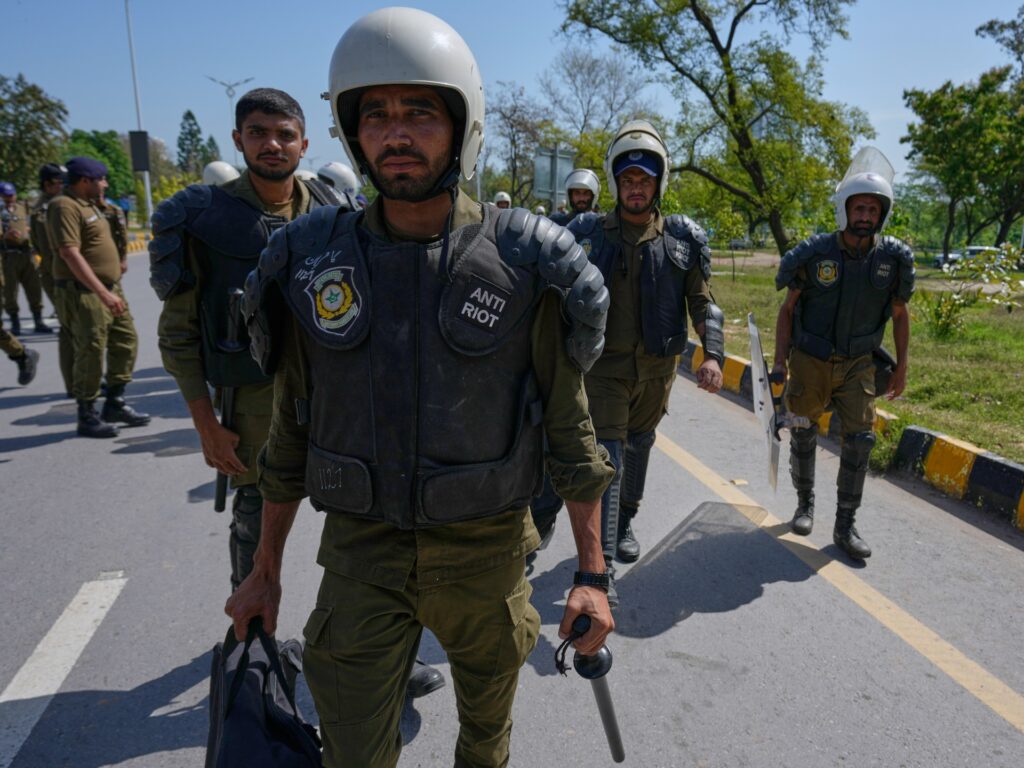
Pakistan’s role as the host for these discussions underscores its strategic diplomatic position in the region and its willingness to mediate in international conflicts. The country faces significant pressure to facilitate a successful dialogue, balancing its relationships with both the U.S. and Iran.
Diplomatic sources reveal that while logistical arrangements for the talks are in place, progress hinges on Iran meeting certain preconditions that have not yet been publicly disclosed. Analysts suggest that these requirements may involve guarantees on security, sanctions relief, or other political concessions.
The international community calls for restraint and patience from all parties involved. A premature escalation or miscommunication could derail the peace process and exacerbate the conflict, potentially leading to wider regional instability.
Observers emphasize the importance of dialogue over military action, urging both the U.S. and Iran to prioritize diplomacy and avoid provocations. The upcoming talks offer a rare platform for engagement, and failure to compromise could result in renewed violence with severe humanitarian consequences.
In sum, the lead-up to the ceasefire negotiations in Pakistan is fraught with challenges. Iranian officials’ hesitations, coupled with aggressive posturing from certain U.S. factions, contribute to an uncertain environment. Nonetheless, hope remains that dialogue can prevail, setting the stage for a peaceful resolution that has long eluded these adversaries.
The world’s eyes are now on Pakistan, waiting to see if it can successfully facilitate these historic talks and help steer the region away from conflict toward a future of stability and peace. The coming days and weeks will be critical in determining whether diplomacy can overcome the current tensions or whether the path will instead lead back to confrontation and warfare.