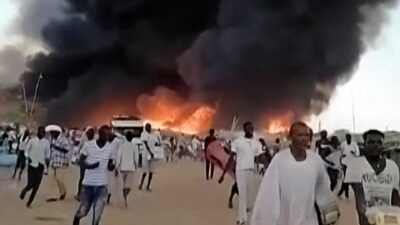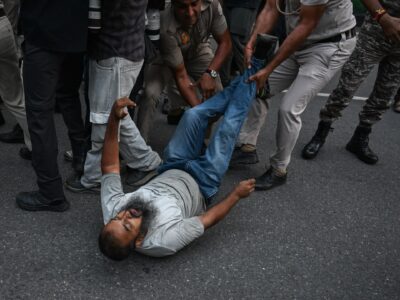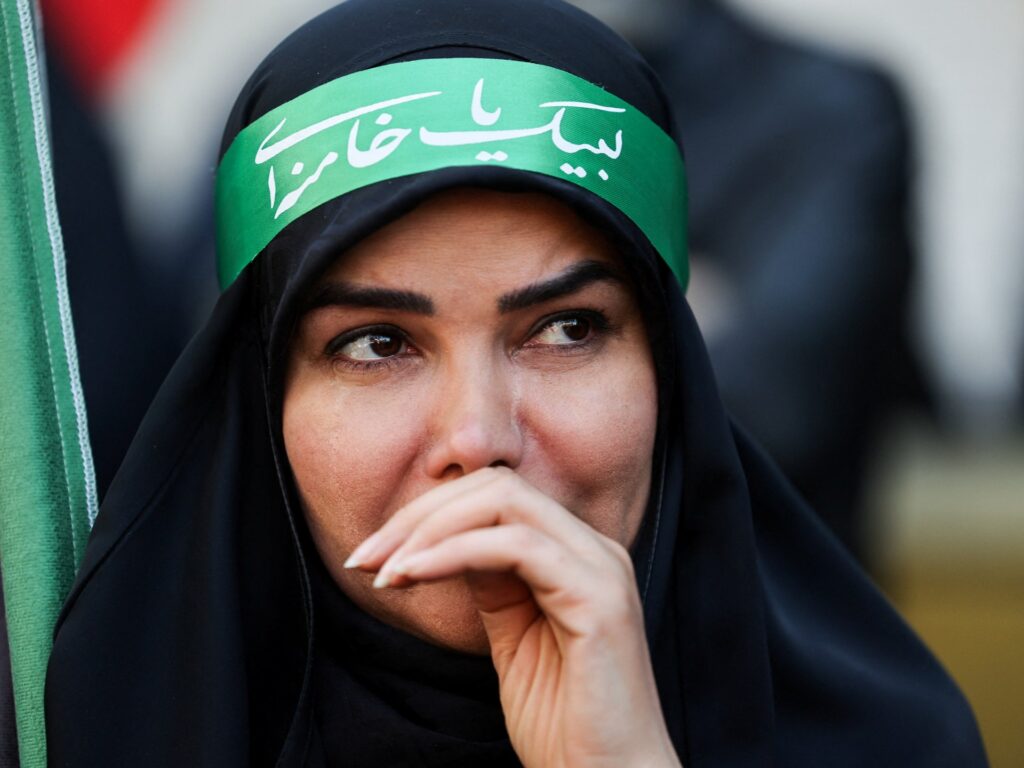
As the conflict involving Iran, the United States, and Israel enters its 42nd day, the region remains deeply unstable despite the onset of a ceasefire agreement brokered by Pakistan. This ceasefire, intended to de-escalate hostilities, has come into effect amid continuing disputes over its exact parameters and scope, which contribute to ongoing regional tensions.
The ceasefire, hailed initially as a breakthrough, was negotiated through intensive diplomatic efforts with Pakistan playing a pivotal role as mediator. Both the US and Israel had previously launched coordinated attacks against Iranian targets, further exacerbating the situation in the Middle East. These attacks aimed to curb Iran’s influence and military capabilities in the region but have stirred significant backlash and instability.
Despite the ceasefire’s formal commencement, reports indicate that skirmishes and localized confrontations continue, fueled by disagreements about the ceasefire’s extent. Iran has accused the US and Israel of violating agreed terms, specifically regarding targets and operational zones. Conversely, the US and Israel stress that their defensive responses are legitimate under the current tensions.
Analysts highlight that the ceasefire’s fragility stems not only from military actions but also from political distrust among the involved parties. Regional allies and other stakeholders express concern that any misunderstanding or breach could rapidly escalate, undoing diplomatic progress and plunging the area into wider conflict.
Furthermore, the dispute over the ceasefire has economic repercussions. Markets in the region remain volatile, with oil prices fluctuating sharply due to fears of prolonged conflict. Humanitarian concerns are also rising, as civilian populations in affected areas face shortages of essential supplies and displacement crises.
International actors continue to monitor the situation closely, with calls from the United Nations and other global bodies urging all parties to uphold the ceasefire and resume political dialogue. Pakistan’s role is particularly scrutinized, as its mediation efforts are seen as crucial in stabilizing the region and preventing further escalation.
In summary, the situation on day 42 of the US-Israeli attacks against Iran remains precarious. While a Pakistan-brokered ceasefire provides a framework for peace, unresolved disputes and ongoing mistrust threaten to derail these efforts. The coming days are critical for cementing this fragile pause in hostilities and working towards a sustainable resolution that ensures regional security and stability.